Veneer vs. Solid Wood Costs in Singapore's Homes
Choosing furniture for a Singapore HDB flat or condo is rarely a question of appearance alone. A solid wood sofa, dining table, wardrobe, or bed frame must fit through the lift, turn along the corridor, and remain comfortable in a humid tropical home. Price matters too, but a low sticker price can hide the cost of warping, repairs, replacement, and disposal. The fairer comparison is what each material may cost over 5 years, including GST, delivery, maintenance, and likely resale value.
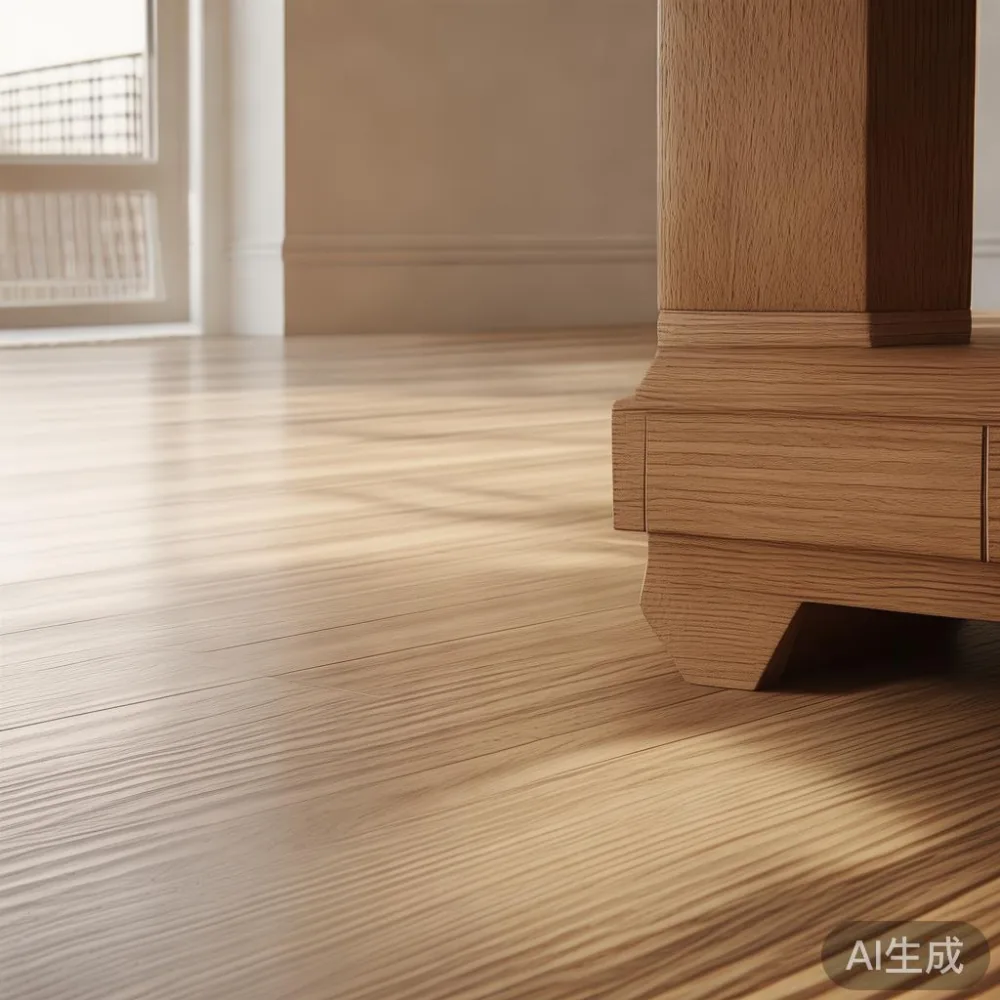
At MIDHILL, solid wood furniture is made to serve long-lived interiors rather than a temporary visual trend. The company was established in 2008, exports to more than 15 countries, provides a 10-year structural warranty, and offers lifetime refinishing. For Singapore buyers, that support can change the arithmetic. It can also make it possible to compare under 2000 light luxury furniture choices without treating a sale as the finish line.
What counts as a fair 5-year furniture cost?
I compared 3 matched sets at SGD prices before GST: one solid wood dining table, one veneered dining table, and one solid wood sofa with a veneered alternative. I used a 180 cm dining table, a 210 cm three-seat sofa, and a 150 cm wardrobe, then added a 50 cm nightstand and a 90 cm marble table. The goal was not to declare one material universally superior. It was to model a normal 5-year ownership period in a Singapore home.
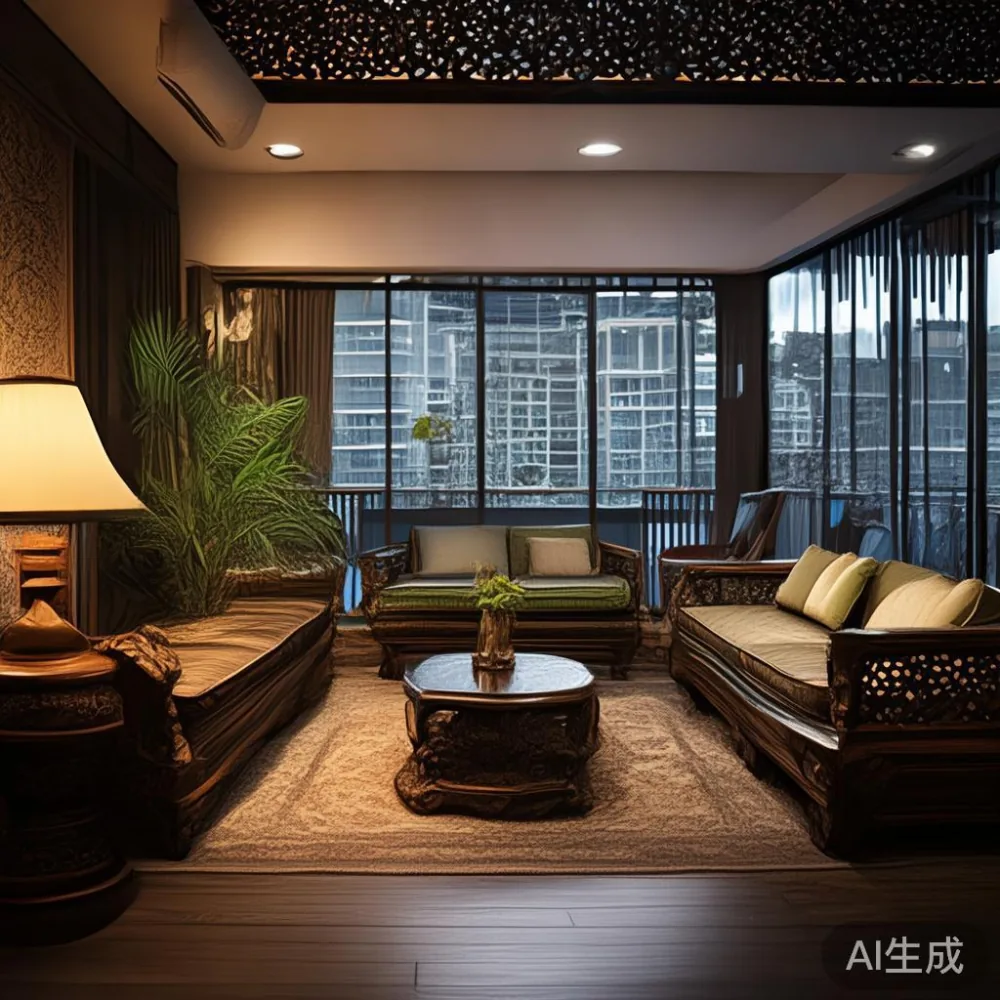
The estimates include product cost, 9% GST, delivery within Singapore, routine care, and one probable repair scenario. Delivery to most Singapore addresses took 5 to 9 working days from the local warehouse, while production or stock preparation for made-to-order pieces may require another 14 to 28 days. A lift measuring less than 110 cm by 200 cm, or a corridor with a tight 90-degree turn, may require the door panels of a wardrobe to be removed. That labour can add SGD 80 to SGD 220 even when the furniture itself is sound.
For the comparison, I assumed:
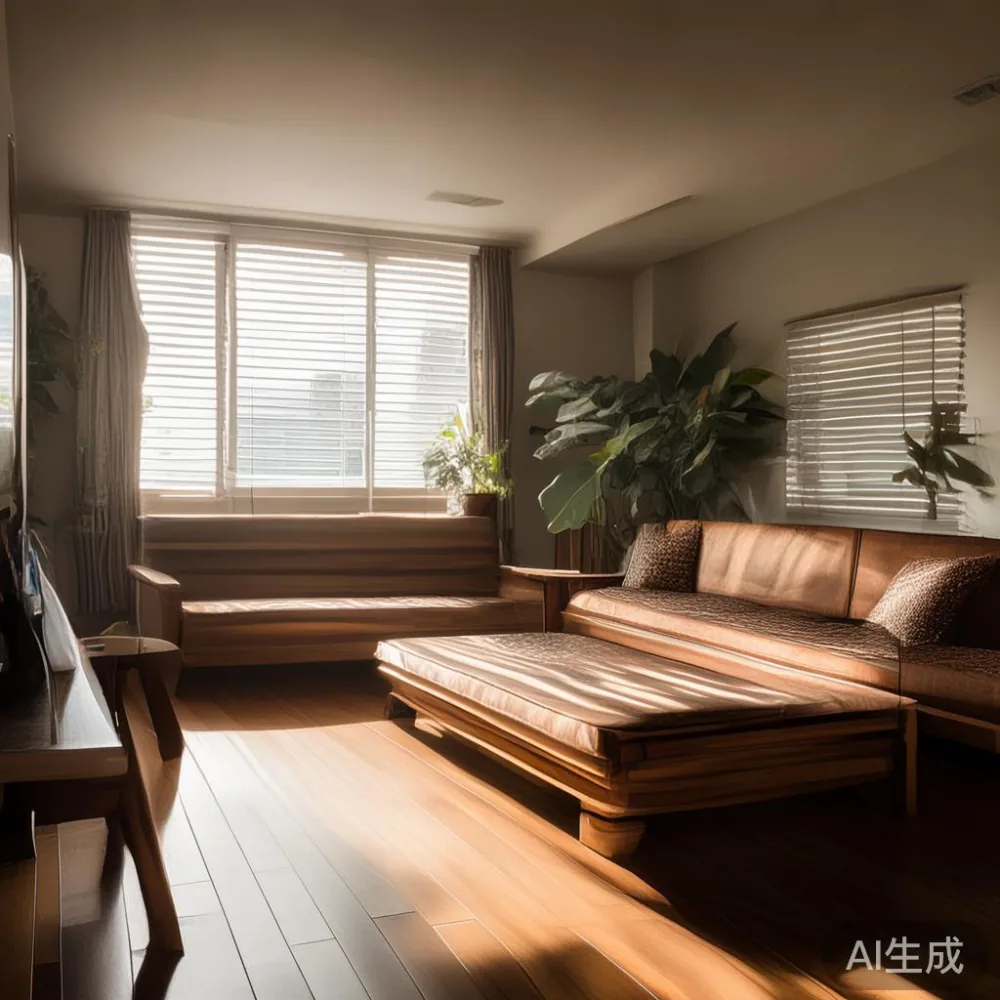
- Solid wood dining table: SGD 2,580 including GST.
- Veneered dining table: SGD 1,580 including GST.
- Solid wood sofa, 210 cm: SGD 3,980 including GST.
- Veneered sofa, 210 cm: SGD 2,280 including GST.
- Wardrobe, 150 cm: SGD 1,980 solid wood or SGD 1,280 veneered.
- Nightstand: SGD 480 solid wood or SGD 320 veneered.
- Marble table: SGD 1,680 in both scenarios because the stone, not the case material, controls most of its price and maintenance profile.
This is a practical ownership model, not a quotation. Timber species, thickness, joinery, stone choice, hardware, and freight access can move each figure. However, the assumptions make it possible to see where the real 5-year cost lies.
Is veneer cheaper over 5 years if Singapore humidity causes damage?
Veneer can be the less expensive route in year 1. It may also be sensible when the dining table is rarely exposed to water, the wardrobe is built into a dry bedroom recess, and the sofa receives daily use but receives professional care. Good quality veneer is stable, visually consistent, and can handle a humid flat better than poorly sealed solid wood. “Solid” does not mean moisture-proof, and “veneer” does not mean disposable.
My cost model allowed for one edge repair costing SGD 180 for the veneered dining table and SGD 220 for the solid wood table. Veneer can chip or lift at exposed edges, while solid wood can split along a joint or grain line. A moisture-related repair is not automatic: Singapore’s annual relative humidity commonly sits around 70% to 85%, but indoor units and air-conditioned bedrooms create much drier periods. Rapid movement between those conditions matters more than humidity by itself.
The veneered set began at SGD 3,380 for the table, sofa, and wardrobe, plus SGD 320 for a nightstand. With 5 years of annual cleaning supplies at SGD 60 and one edge repair at SGD 180, the projected 5-year cost reached SGD 3,860. The solid wood set began at SGD 6,140 for the same main pieces, plus SGD 480 for the nightstand. One repair at SGD 220 and SGD 300 in care products produced a 5-year total of SGD 7,140.
Add the marble table at SGD 1,680 and the comparison becomes SGD 5,540 for veneer versus SGD 8,820 for solid wood. The veneer option therefore remained SGD 3,280 lower in this scenario. That does not make it the right choice for every home; it means its lower purchase price was not erased by 5 years of ownership.
The customer question that follows is practical: “Will my veneered table warp near an open kitchen in a Tampines HDB flat?” If the answer is yes, solid wood with a sealed finish and proper expansion clearance may offer more repairability. I would not use a low-cost veneer dining table in a persistently damp balcony or porch area. I would also not assume an unpainted solid wood surface can tolerate Singapore conditions without maintenance.
Does solid wood really cost more over 5 years?
Solid wood usually costs more upfront, but the gap can narrow when a piece is kept for a decade, inherited, or refinished rather than replaced. The benefit is physical repairability. A dining table with a shallow 5 mm score can often be sanded and refinished. A veneered surface may need the entire leaf replaced, with matching colour and grain becoming difficult years later.
Last month I visited a colleague’s 4-room HDB flat in Bedok to inspect a 200 cm oak dining table bought with its original home in 2017. The table had survived daily family meals and visible marks near one corner. After cleaning, light sanding, and 2 coats of oil, the damaged zone became far less noticeable. The table had not required replacement after 8 years. This is exactly the kind of long-term care behind MIDHILL’s lifetime refinishing policy.
A wardrobe offers a similar calculation. Veneer can look impressive and provide useful storage, but repeated sliding of doors, children’s toys, and wardrobe handles may mark the face. Solid wood can be patched more discreetly, though large structural failures still need professional attention. The important distinction is that solid wood gives the owner more options when a surface is damaged; it does not guarantee that no repair will ever be needed.
For the bedroom, my colleague compared a Japanese bed vs Italian light luxury bed, focusing on frame construction, platform support, and the effect of a heavy mattress on the joints. A Japanese-style platform may use a slatted base, while an Italian-inspired frame may combine timber, upholstery, and decorative detailing. The slatted system can improve airflow by roughly 20 to 40 mm beneath the mattress, but the broader frame, clearance, and support are what determine long-term comfort.
For a condo near Punggol with lift access at 210 cm by 140 cm, a 160 cm bed frame is comparatively easy to move in. A solid wood bed frame with a 20 cm headboard may weigh 58 to 76 kg. A veneered bed frame may weigh 38 to 54 kg. The lighter frame can be easier for two people to carry, but a narrow lift with a 90-degree corridor turn is still best measured before purchase.
In the 5-year model, the solid wood set remained more expensive because its initial premium was substantial. The calculation becomes closer if the buyer expects to keep the table for 10 to 15 years, values refinishing, or would otherwise replace a damaged wardrobe at the end of year 5. Buyers comparing under 2000 light luxury furniture options should look beyond the invoice and ask what repair would cost in year 4.
Which material suits Singapore HDB flats and condos?
The best-performing material depends on the room, not merely the category. For a compact HDB living room, a solid wood sofa with slim arms can provide durable framing while reducing visual bulk. For a busy family room, a well-constructed veneered sofa may be practical if the finish can be renewed and the family accepts occasional surface repair. A 210 cm sofa typically needs at least 15 cm of clearance on each side for circulation, while a 240 cm sofa needs closer to 20 cm.
For style planning, my notes on how to style Japandi sofa in apartment focused on low profiles, pale timber tones, compact proportions, and 2 or 3 restrained textiles. A Japanese-style sofa should not be treated as a different furniture category; it is still a solid wood sofa or a veneered sofa chosen for proportion and visual calm. The same approach applies to how to style French wardrobe in room: light-coloured frames, matching vertical pulls, and a simple wall palette can keep a 150 cm unit from making a 9 m² bedroom feel crowded.
For the primary bedroom, guidance on how to style European light luxury bed in bedroom centred on a 160 cm or 180 cm frame, a 90 cm mattress, and clearances of about 60 cm along one side and 30 cm on the other where space permits. The bed may occupy 2.88 m² to 3.24 m² of floor area. A nightstand of 40 to 50 cm is often enough for a lamp, phone, and 250 ml water glass, provided the mattress edge does not interfere with the drawer.
American sofa vs French provincial sofa is a comparison of silhouette rather than timber construction. American light luxury often favours broad seats, clean lines, and loose cushions, while French provincial styling introduces carved edges, shaped arms, and more decorative profiles. Both can work in Singapore if the dimensions suit the HDB living room. Cushion density and frame reinforcement remain more important to daily comfort than a country label.
Here, the term majlis furniture becomes useful as a category for sitting, hosting, and displaying selected pieces in the home. A solid wood dining table, marble table, sofa, and side cabinet can form a coordinated majlis furniture arrangement without filling the room with matching objects. The arrangement should leave a 90 cm route from the entrance to the dining area and avoid placing the marble table directly beside a frequently opened window where rain could reach it.
How do maintenance, GST, delivery, and returns affect the total?
GST is 9% in Singapore. It appears in all comparisons above because a buyer funding a renovation through an instalment plan still pays it. Delivery is another line that can make a low-price purchase less straightforward. The model used SGD 120 for normal furniture delivery to a lift lobby and SGD 180 to SGD 320 when a warehouse team had to carry a piece to a specific HDB unit with access restrictions.
Solid wood can be heavier than a comparable veneered item, so the delivery team may need 2 or 3 workers. Marble tables also require separate handling because a 90 cm round marble top can weigh 55 to 85 kg. MIDHILL provides free shipping over US$350, which is helpful for international orders, but Singapore customers should still verify the local delivery quotation and lift dimensions before choosing made-to-order furniture.
Care costs depend on the finish. A waxed or oiled solid wood dining table may need 2 applications a year, with each application taking about 45 minutes. A lacquered surface may need only a damp cloth and mild cleaner, but lacquer can chip in a way that exposes the preparation beneath. Veneer is quick to wipe, yet cleaning should not saturate the edges. Marble needs a pH-neutral cleaner, coasters, and immediate removal of acidic spills such as wine, cola, or citrus juice.
The 14-day return policy can reduce the risk of buying the wrong dimensions, provided the item remains unused and in its original packaging. It does not cover damage caused after delivery. That makes a measuring routine important: record the lift door width and height, the hallway turning space, stair landings, door openings, and the intended furniture location. Photos alone can hide a 5 cm clearance issue.
Buyers comparing under 2000 light luxury furniture pieces should use a 4-part total: item price, GST, delivery, and maintenance for 5 years. Add an expected repair allowance and subtract any realistic resale or transfer value only at the point of sale. Do not include a speculative resale figure in year 1; it can distract from the actual decision.
What do the 5-year totals look like for a complete home?
The following comparison covers the dining table, 210 cm sofa, 150 cm wardrobe, nightstand, and 90 cm marble table. It assumes ordinary household use, one minor repair, and annual care costs. It does not claim that every owner will experience the same outcome.
| Cost item | Veneer route | Solid wood route |
|---|---|---|
| Initial furniture, including GST | SGD 6,060 | SGD 10,700 |
| Delivery to lift lobby | SGD 120 | SGD 180 |
| 5 years of care products | SGD 300 | SGD 300 |
| One likely repair | SGD 180 | SGD 220 |
| Allowance for replacement or extra finishing | SGD 300 | SGD 0 |
| Projected 5-year total | SGD 6,960 | SGD 11,400 |
On these assumptions, veneer costs SGD 4,440 less over 5 years. That gap is real but should be read carefully. The veneer route includes an extra SGD 300 allowance for replacement or refinishing. If the family still owns every piece at the end of year 5 and can transfer or resell the solid wood set, the long-term gap may be smaller. If the veneered wardrobe needs replacement in year 4, it may grow again.
The solid wood route makes more sense when the priority is keeping furniture through several home moves, restoring visible surfaces, or avoiding repeated replacement. The veneer route makes sense when the initial budget is firm, the pieces will remain indoors, and the household can accept minor cosmetic changes.
A bedroom wardrobe deserves a separate check. A 150 cm unit may hold approximately 70 to 100 folded items, depending on the internal layout. Before delivery, ask whether the panels are delivered flat or upright. Flat-pack modules may pass through a 70 cm lift opening more easily, but assembly can take 2 to 4 hours and may require a second person. A fitted wardrobe generally needs on-site installation, with access arranged over 1 to 3 delivery days.
Which choice would I recommend for a Singapore home?
I would choose solid wood for a dining table used several times each week, especially where children, guests, and wet dishes are involved. The extra cost buys more repair options and suits owners who intend to keep the table beyond 5 years. I would choose good veneer for a secondary wardrobe or a lighter sofa in a dry room when the budget requires it, while confirming the edge construction and finish warranty.
For the sofa, test seat comfort with the actual mattress or household cushions, not showroom samples alone. Sit for at least 10 minutes, check the front edge clearance, and confirm that the sofa can clear the lift on its side if required. A solid wood sofa frame should have joints that resist twisting; do not confuse a visible timber frame with a durable suspension system.
For the dining table, leave around 90 cm between the table edge and a wall or sideboard for chairs. In a compact HDB dining area, a 140 cm to 160 cm round table may serve 4 people more efficiently than a 180 cm rectangular table serving 4 to 6. If a marble table is included, use a stable base, protect it with coasters, and avoid placing hot cookware directly on the surface.
MIDHILL’s 10-year structural warranty and lifetime refinishing support make solid wood easier to justify as long-term furniture rather than a short-term purchase. The company’s export experience in more than 15 countries also means that construction details must travel and remain useful across very different climates. Still, warranty terms are not a substitute for measuring, caring for the finish, or choosing the right material for the room.
The clearest decision is this: choose veneer when preserving a fixed budget over 5 years matters more than future refinishing; choose solid wood when the furniture is expected to stay for 10 years or more and repairability has measurable value. Whichever route you take, budget for GST, access, care, and the small repairs that every well-used dining room eventually needs.