What Actually Drives The Price Of Solid Wood Furniture
Many buyers assume the sticker price simply reflects a simple markup added by the shop owner. In reality, the final figure represents layers of material costs, specialized craftsmanship, logistical hurdles unique to island nations, and long-term durability guarantees. When evaluating a solid wood sofa or dining table, understanding the underlying factors helps distinguish quality from mere appearance. We examine every component contributing to the final bill, focusing on regional constraints found in HDB estates and condominiums across Tampines, Bedok, and Punggol.
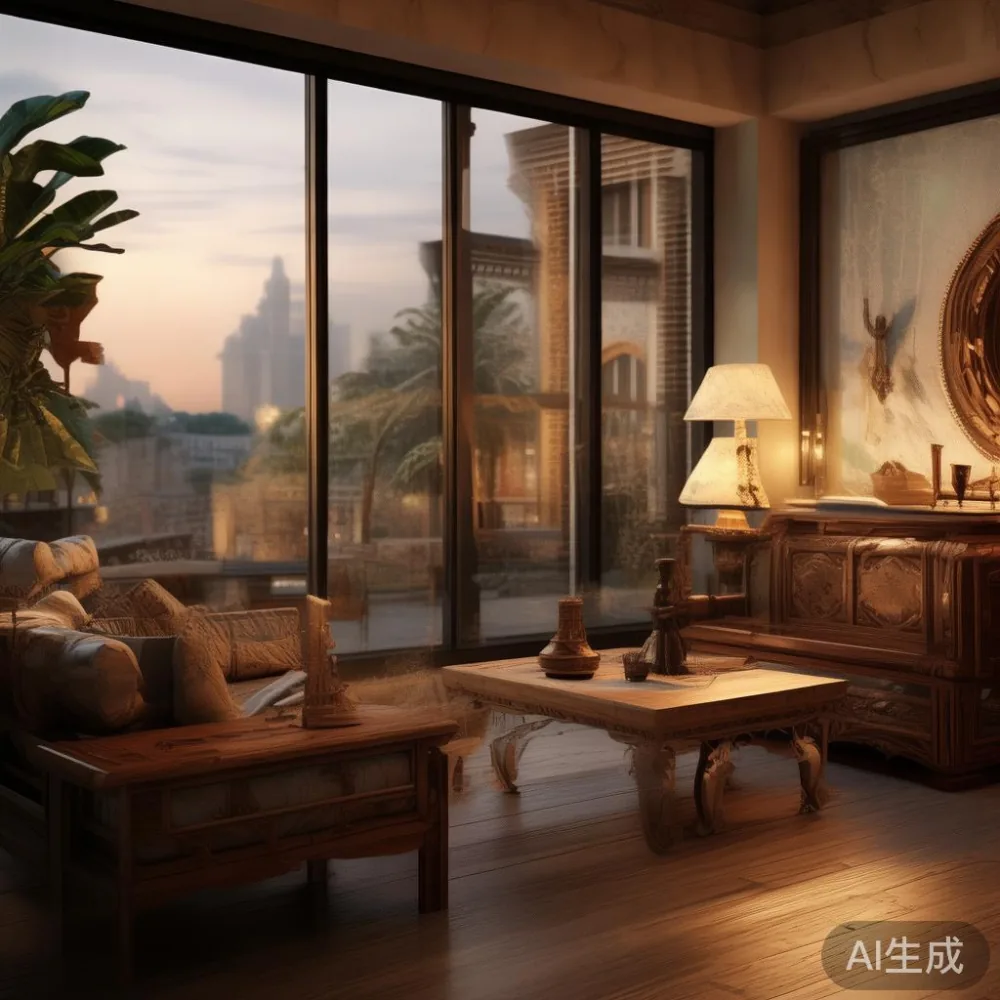
Solid wood originates from a tree trunk, harvested, milled, and dried until moisture content stabilizes. A cabinet-grade oak might cost significantly more than pine due to grain density. For every cubic meter of timber, weight can exceed seven hundred kilograms depending on the species. Processing involves removing sap and stabilizing the cell structure so warping does not occur over time. Manufacturers invest heavily in kiln drying cycles that span several weeks. Rushing this process compromises structural integrity. Buyers paying less often receive wood with higher residual moisture, leading to cracking or joint failure within two to three years.
The finishing stage requires multiple coats of protective sealer to withstand tropical conditions. A standard application involves primer followed by at least three layers of topcoat varnish. Sanding between each layer ensures smooth contact surfaces for the touch. This manual labor accumulates hours of skilled work. An artisan might spend ten hours crafting just a single chair leg. Labor costs in industrial centers remain competitive but skilled joiners command higher wages for precise dovetail joints versus simpler staples. These production inputs define the base price before freight charges are applied.
Tangible Logistical Barriers In Urban Living Spaces
Shipping large furniture items into Singapore presents unique physical challenges. Consider a typical HDB living room corridor measuring roughly ninety centimeters wide. Standard bedroom doors allow passage of eighty-five centimeters. Oversized units must work through these tight turns without scratching walls or getting stuck on landing floors. Lift cabin depths vary, though most residential buildings accommodate depths around one meter fifty-two centimeters. Larger dining tables exceeding three meters in length often require disassembly upon arrival.
Freight forwarding companies calculate volume-based rates rather than flat fees. A wardrobe occupying five cubic meters incurs different handling charges compared to a compact side table. Insurance coverage adds another layer. Goods in transit face risks of impact damage during crane movements or vehicle vibrations. Domestic delivery services charge extra for floor-by-floor carrying if lift access fails. A four-person team typically handles twenty kilograms per person comfortably over distance. Moving a heavy king-size bed frame weighing forty kilograms upstairs requires additional manpower fees. Transport duration extends to three working days after customs clearance in Singapore, factoring in GST adjustments totaling nine percent on the declared value.

My colleague visited a supplier warehouse in Foshan last month to verify raw material stock. They noted that timber piles occupy vast storage spaces requiring humidity control systems running day and night. Even small fluctuations trigger mold growth. This operational expense translates directly to the retail tag. Shipping containers hold thousands of pieces, yet breakage rates average five percent during ocean voyages. Repairs add cost, absorbed mostly by established brands offering stability. Some retailers pass these losses onto customers via inflated warranties or replacement policies.
How do I care for a master bed in humid weather?
To maintain a master bed in humid weather, maintain indoor relative humidity between forty and sixty percent using dehumidifiers placed near the headboard.
Tropical climates introduce moisture into wooden components constantly. Wood absorbs water vapor from the air, causing expansion in summer months. This swelling pressures joints and can warp slats over time. Owners should monitor levels closely using digital hygrometers positioned within the bedroom. Condensation forms rapidly on cold surfaces, threatening metal hardware connections holding down rails. Applying wax polish creates a barrier against atmospheric absorption. Polishing frequency depends on usage patterns; high-frequency areas need treatment every six months.
Maintenance also extends to checking screw tightness. Thermal changes cause slight movements in fasteners. Re-tightening bolts prevents wobbles affecting stability. Users report improved sleep quality when the structure remains rigid. A loose nightstand rattling against a wall causes annoyance. Regular inspections prevent minor issues becoming major repairs. If a crack appears, epoxy resin fills gaps effectively without altering color significantly. Professional refinishing services restore original sheen without dismantling the entire unit.
Craftsmanship Defines Post-Modern Light Luxury Categories
Different styles command distinct price tiers based on decorative complexity. French light luxury relies on curved lines and ornate detailing carved by hand. American light luxury favors straight edges paired with rich finishes. Post-modern light luxury combines minimalist geometry with organic textures. Selecting a piece depends on personal preference and room dimensions. A solid wood bed frame in post-modern style avoids excessive carving but focuses on clean lines and premium upholstery integration.
Luxury positioning often correlates with material selection within the same family. A dining table made from solid oak differs from veneered MDF options visually but performs differently physically. Veneers sit on top of cheaper substrates. Solid pieces extend throughout the construction allowing infinite sanding and polishing cycles. Brands like MIDHILL focus on this longevity promise. Customers investing in such inventory expect ten-year structural warranties covering joinery failure. Lifetime refinishing rights mean the piece can be re-stained decades later. These promises reflect confidence in initial build quality.
Specific elements drive individual item costs. Marble tops on coffee tables require precise fitting to stone supports. Weight distribution affects leg design requirements. Steel reinforcement hidden inside wooden columns prevents tipping. Glass inserts need safety laminated standards. Every addition alters the engineering challenge. A wardrobe containing drawers requires guide tracks rated for fifty thousand cycles. Cheaper runners jam easily under weight loads. Premium guides feature self-cleaning mechanisms preventing dust blockage. Installation complexity impacts labor hours spent on-site.
We integrate themes such as majlis furniture aesthetics into our catalog selections. Majlis furniture collections emphasize communal comfort suitable for social gatherings. Items must support weight capacity while maintaining elegant proportions. Durability testing simulates daily wear scenarios. We push materials to limits ensuring they survive accidental bumps or spills. Testing protocols align with international standards for commercial spaces adapted for residential safety.
Long-Term Value Verses Initial Financial Outlay
Cost per year calculation offers clearer perspective than asking price alone. A budget table costing two hundred SGD might last three years before splitting seams. Replacement frequency multiplies total expenditure. Conversely, a premium solid wood dining table priced at four thousand SGD retains function for thirty years. Dividing total cost by useful life reveals actual annual investment. Depreciation curves flatten significantly once resale value stabilizes.
Resale markets exist for vintage solid wood pieces. Collectors seek specific eras where handcrafted techniques prevailed. Machines replaced hands frequently in mass production runs. Manual craftsmanship increases scarcity value. Auction results fluctuate yearly. However, ownership utility outweighs speculative gains for most homeowners. Family heirlooms pass memories between generations. Engraving names on footplates preserves history. Emotional attachment reduces likelihood of discarding functional items quickly.
Shipping policies influence decision making. Free shipping thresholds exist above US$350. Bulk orders benefit from consolidated container rates reducing per-unit freight expenses. Import taxes apply outside local borders. GST applies domestically regardless of manufacturer origin. Warehousing costs remain high in island nations due to limited land availability. Storage rental fees accumulate monthly for imported stock sitting unsold. Turnover speed dictates pricing models. Fast-moving products spread overheads thinner than slow movers.
Warranties protect against defects not covered by misuse. Frame separation constitutes a manufacturing fault. Surface scratches caused by pets do not qualify. Clarifying scope prevents disputes later. Written contracts outline specific responsibilities clearly. Both parties agree on inspection timelines. Dispute resolution mechanisms favor neutral third-party arbitration. Trust builds through transparency regarding what exactly gets covered under the guarantee period. Policies change occasionally but core principles remain stable.
Specific Product Examples Influence Pricing Variables
A solid wood sofa demands high load-bearing joints at seat supports. Upholstery tension pulls frame corners outward repeatedly. Springs bounce during sitting sessions. Suspension systems absorb shock to reduce strain on wood. Heavy cushions weigh upwards of ten kilograms each. Cushions press down on base structures continuously. Structural reinforcements hide inside visible panels. Metal brackets strengthen corner blocks hidden beneath fabric covers.
Bed frames require center support bars running perpendicular to headboards. Slatted bases distribute mattress weight evenly. Single point loads crush untreated slats. Reinforced beams carry distributed forces safely. Nightstands balance atop lightweight casters or fixed feet. Wheels add mobility but risk sinking into soft carpets. Fixed feet suit tiled floors better. Stability checks confirm level placement. Adjusting feet compensates for uneven flooring common in older buildings. Floor leveling pads assist alignment tasks.
Television stands differ from generic cabinets due to specific cable management needs. A Nordic TV console japan configuration integrates wire conduits hiding behind open shelves. Ventilation holes prevent electronics overheating. Cable ports route excess slack neatly behind units. Height adjustments ensure optimal viewing angles matching eye-level when seated. Sturdiness matters since mounted TVs exceed fifty kilograms total. Wall anchors secure units firmly to studs. Safety regulations prohibit unanchored heavy glass tops without locking mechanisms.
Basketry techniques involve weaving rattan into seating surfaces. Breathable materials cool bodies during sleep. Airflow improves comfort significantly. Synthetic fibers mimic natural weave patterns but lack longevity. Natural rattan fades uniformly over time creating patina appeal. Repair kits replace broken strands easily. Tools required include pliers and glue sticks. DIY repairs save service call costs. Patience needed for drying glue takes twenty-four hours minimum before usage resumes. Waiting prevents premature stress on fresh bonds.
Majlis furniture designs prioritize open spaces facilitating movement. Walkways around furniture measure at least one meter wide. Furniture placement avoids blocking pathways. Door swings remain clear of obstacles. Traffic flow considerations guide layout planning. Circulation paths improve accessibility for elderly users. Reduced bending improves ergonomics. Heights adjust to reach items easily stored above. Storage solutions maximize vertical space efficiency. Shelving units stack vertically rather than horizontally to conserve floor footprint.
Quality assurance teams inspect finished goods prior to packaging. Random sampling verifies dimensions match blueprints exactly. Color variations between batches get flagged immediately. Batch numbering tracks production runs backward. Recalls become possible if systemic errors detected early. Preventative measures reduce waste and financial loss. Recycling programs reclaim offcuts used for smaller projects. Zero-waste goals minimize environmental impact. Green initiatives appeal to eco-conscious consumers choosing sustainable brands.
Evaluation criteria include visual appeal, tactile feel, and auditory feedback. Wood produces unique sounds when tapped indicating density. Hollow thuds suggest weakness. Solid knocks denote good compaction. Smell indicates chemical treatments. Strong solvents linger longer in lower quality finishes. Natural oils smell earthy and pleasant. Chemical smells fade faster but irritate sensitive noses. Personal preference determines acceptance thresholds. Comfort ratings depend on subjective experience testing units personally before purchase decisions finalize.