Maintaining Lacquered Wood in Singapore's Climate
Singapore sits roughly one degree north of the equator. Daily relative humidity runs between 65% and 90% for at least eight months a year, and afternoon thunderstorms push moisture content into the walls of every HDB flat from Tampines to Bedok to Punggol. A lacquered solid wood dining table, a French light luxury bed frame, or a satin-finished wardrobe from MIDHILL's majlis furniture collection is built to handle this, but only if you give the finish a small weekly habit. I learned this the slow way. Last month I visited a colleague's resale 4-room flat in Punggol, and her six-month-old American light luxury wardrobe had a faint white bloom running along the bottom edge where it touched the wall. Five minutes of inspection showed it: condensation wicking up the back panel. Not a defect. A care gap. What follows is the routine I now hand to every customer who buys a lacquered piece from MIDHILL's majlis furniture catalogue, whether it is a 1.8m solid wood dining table, a queen-size bed frame, or a 1.2m marble-top nightstand.
Why Singapore's climate is hard on lacquer
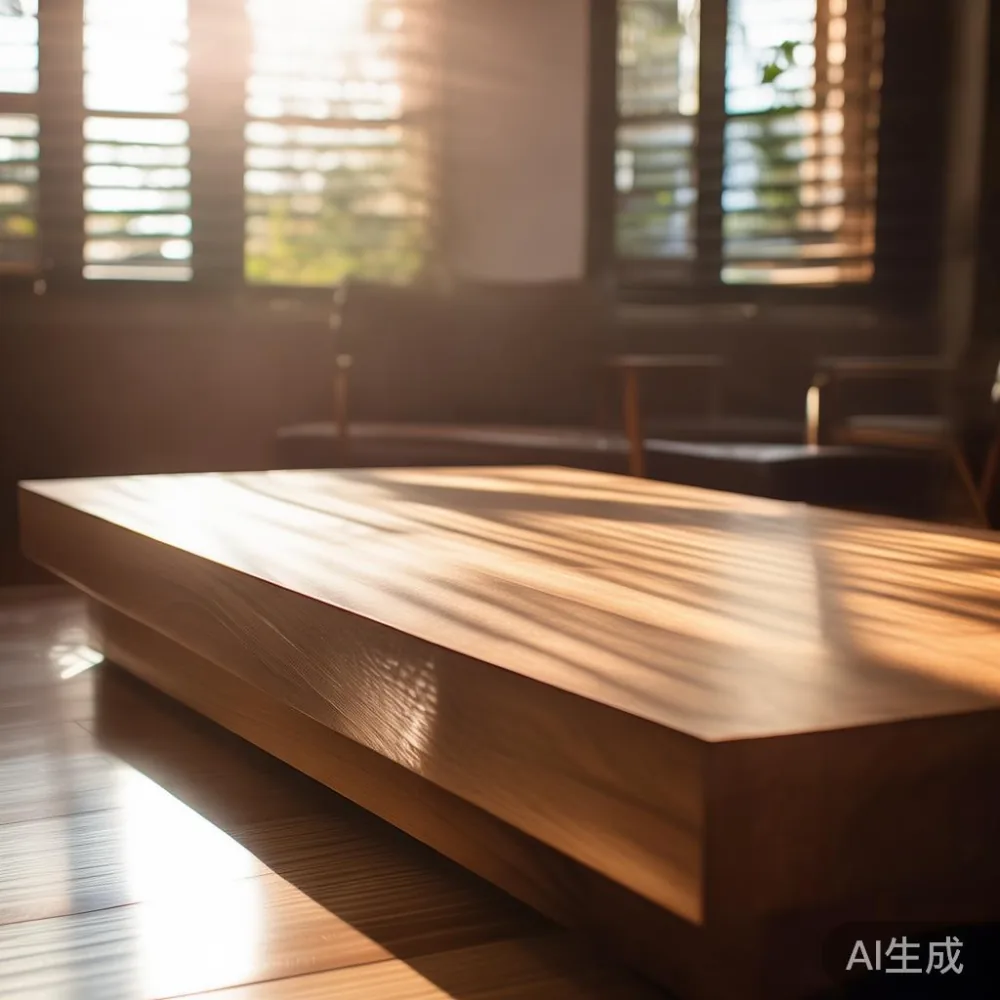
Lacquer is a sealed skin over the wood. The wood itself is hygroscopic: it absorbs and releases water vapour with the seasons. When the ambient humidity jumps — say, from a midday 55% to a midnight 88% after a Sumatra squall — the lacquer film stays chemically the same, but the substrate swells. Over time, the repeated micro-swelling at the bond line breaks the seal and the finish clouds. On a post-modern light luxury coffee table with a high-gloss piano finish, the first sign is usually a slight orange-peel effect around the corners. On a matte American light luxury dining table, the first sign is a dull grey cast where the lacquer has micro-cracked.
Three local numbers help frame the problem. Indoor humidity in a non-air-conditioned HDB can reach 85% on a wet afternoon, even with the windows closed. A 1.6m solid wood sideboard at 22°C and 50% RH today, at 88% RH tomorrow, will gain roughly 0.3% in moisture content — about 4mm of seasonal movement across its width. And the temperature drop between your living room and the corridor outside an HDB block on a rainy day can swing 6°C in under ten minutes, which is exactly the kind of gradient that causes lacquer to lift at the joints.
Weekly care routine that takes under ten minutes
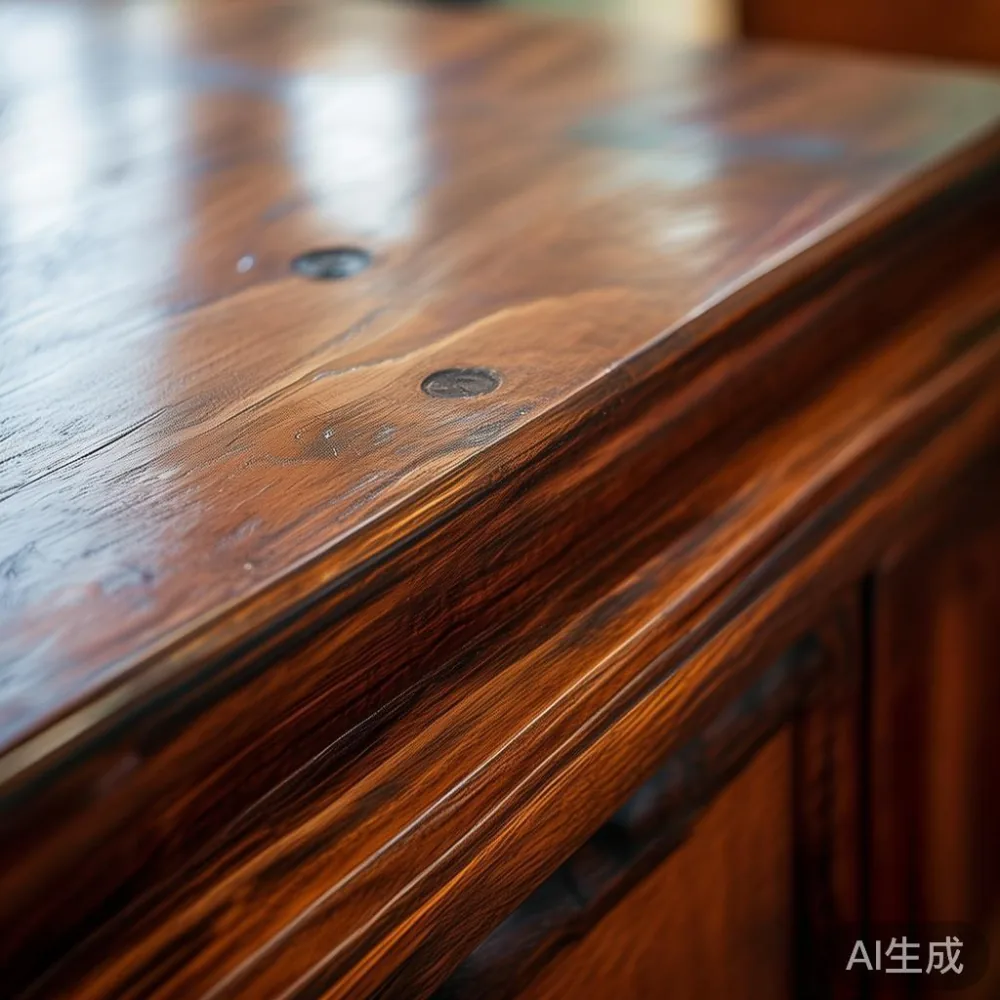
For a standard five-piece living set — say, a three-seater solid wood sofa frame, a coffee table, and two side tables — your weekly clean should run about eight minutes. Use a microfibre cloth (around SGD $4 at any FairPrice or Don Don Donki), lightly dampened with distilled water. Never tap water from the kitchen tap in Singapore; the calcium content averages 25-40 mg/L and leaves a haze on gloss finishes after three or four wipes.
Spray the cloth, not the surface. Six sprays per side table is plenty. Wipe in straight, gentle passes along the wood grain — never circles, which polish grit back into the lacquer. Flip the cloth halfway through so you are not redistributing the dust you just lifted. For the deeper clean every fortnight, add three drops of pH-neutral wood soap (about SGD $12 for 250ml, lasts roughly six months for a one-bedroom household) into 200ml of distilled water. Buff dry with a second clean microfibre within 60 seconds so no moisture sits on the film.
How often should I polish a lacquered surface, and which polish is safe?
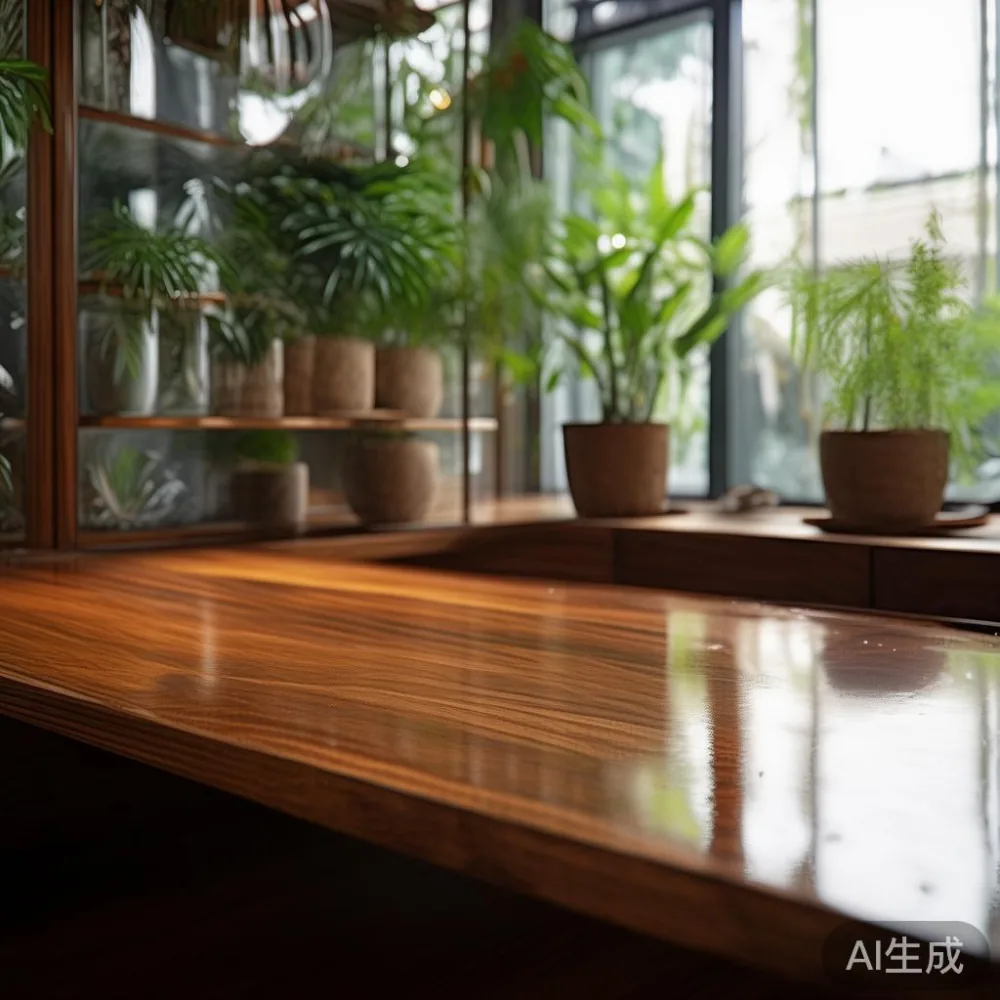
A common question that comes through after delivery. The honest answer: most lacquered pieces only need polishing two to four times a year. More than that and you soften the seal. Use a paste wax (one with carnauba, around SGD $18 to SGD $28 for a tin that lasts two years on a single wardrobe) or a silicone-free furniture cream designed for French polishing. Stay away from aerosol polishes that contain silicone — they leave a film that prevents any future refinishing. If your majlis furniture piece ever needs a refresh, MIDHILL offers lifetime refinishing for lacquered tops on dining tables, wardrobes, and bed frames bought from the majlis furniture range. The cost is roughly SGD $180 to SGD $320 per piece depending on surface area, and turnaround is around 14 working days from the Foshan workshop, plus ocean and local freight of seven to twelve days to your door.
Placement rules specific to HDB and condo layouts
Most Singapore blocks have service lifts that take a maximum of 1.2m wide by 1.5m deep, with a 1.5-tonne limit. A queen-size bed frame from MIDHILL's majlis furniture line, for example the 1.8m x 2.0m Italian light luxury dressing table and headboard set, is shipped flat-packed at roughly 38kg total, which clears both service and passenger lifts in Tampines GreenRidges, Bedok Reservoir, and Punggol Waterway Woods without a booking. Lifts aside, the bigger placement risk is humidity at the wall line.
Keep at least 4cm between any lacquered wardrobe or dresser back panel and the wall. A 4cm air gap is enough to let the corridor-side of the piece breathe and prevents condensation from wicking into the end-grain. Never push a majlis furniture wardrobe flush against an external wall of a HDB flat — those walls run colder by 2-3°C at night and will bloom moisture on the inner face. In Punggol, where many newer BTOs have a wet kitchen airing on the same wall as a built-in study nook, I always ask the homeowner to leave a 6cm gap.
For floor finishes, raise the piece 1.5cm off the floor. MIDHILL's majlis furniture dining tables and bed frames ship with adjustable felt-pad feet that lift the body off the tile — leave them on. After a typical mopping, the surface film on a HDB floor dries in about 12 minutes, and the air gap stops any residual vapour from being trapped under the leg.
Day-to-day habits that protect the finish
Coffee rings and chili-padie splatter are the real test for a lacquered dining table in a hawker-loving household. Always use coasters. A solid oak coaster set runs SGD $22 to SGD $45 on Lazada, and a single set lasts three to four years if you rotate them. For hot items like a claypot straight from the stove, a trivet rated to at least 180°C is required — anything below that and the heat will soften the lacquer's cure and leave a permanent ring. A 30cm silicone trivet costs around SGD $8 and is enough for one big wok-sized pot.
Direct sunlight is a separate problem. Most HDB flats in Punggol and Tampines get a strong east or west morning sun at some angle. A lacquered surface under five hours of direct sun a week loses gloss faster than a similar piece in shadier Bedok Reservoir. Close the blinds between 10am and 3pm, or pull a linen sheer across the window — the diffraction is enough.
For families with small children, two practical notes. First, the citrus oil in many hand sanitisers (d-limonene) softens cured lacquer within seconds. Keep a small SGD $4 ringed tray near the entry door and train the household to sanitise before touching the dining table. Second, toy markers with ethanol-based inks will ghost on lacquer; an art mat or a SGD $18 acrylic sheet cover takes care of that for the under-six years.
What to do when you spot the first sign of damage
If you catch a white bloom, an orange-peel effect, or a cloudy ring early, stop polishing and stop oiling. Those two habits make it worse. Step one is to put the room on a 48-hour dehumidifier cycle. A standard Midea or Novita unit at 30 litres/day running in a 12m² room pulls the RH down to roughly 50% within twenty-four hours and that alone lets a fresh bloom re-absorb back into the wood. Step two is to call the source you bought from. With MIDHILL's majlis furniture line, every lacquered top carries a 10-year structural warranty, and a free re-coat is available on pieces under five years old if the defect is a finish-bond failure rather than a chemical mark from sanitisers, marker pens, or hot cookware. The customer service team handles warranty claims through WhatsApp, with photo evidence, and refunds or repairs are processed within 7 working days of approval. Delivery of the repaired or replaced piece is free for orders above US$350 (about SGD $475), and 14-day returns are accepted on items that arrive with transit damage, which is rare but covered.
Buying and maintenance cost over a ten-year horizon
Let us price a realistic Singapore home setup using the majlis furniture range: a 1.8m American light luxury bed frame at around SGD $1,650, a six-seater solid wood dining table in French light luxury finish at SGD $2,280, a 2.2m three-door wardrobe in post-modern light luxury style at SGD $2,490, a pair of nightstands at SGD $460 each, and a 1.1m marble-top coffee table at SGD $980. Add 9% GST and a typical SGD $90 lift access fee for older blocks in Bedok that need a goods lift booking, and the total lands at roughly SGD $9,950 delivered. Spread over ten years of structure warranty and lifetime refinishing for the lacquered components, and using only the consumables listed above (microfibres, distilled water, soap, wax, coasters, trivet), the annual care cost runs about SGD $25 to SGD $40 a year. That is a fair number to hold against the dry-cleaning and wax budget of a comparable upholstered suite.
If you are shopping on a tighter ceiling, the majlis furniture line also includes 2026 Modern light luxury furniture pieces that hit roughly 20% below the Italian light luxury dressing table price point but share the same multi-coat lacquer system. For guest rooms, a Scandinavian for guest room corner shelf set priced at under 2000 European furniture in comparable European stores, and a single Mid-century modern accent chair in fabric, fill in nicely around the heavier solid wood sofa and dining table without compromising the lacquer care routine. For the bedroom, the line also sells a best Boho bed for 2026 in a rattan-and-light-lacquer combination that needs the same wipe-down but no waxing, since the finish there is matte and slightly porous by design.
The one rule I follow on every delivery
After thirty-plus visits over the past decade, the single habit that keeps lacquered majlis furniture looking new is simpler than people expect. Spend ninety seconds a week: distilled water on a microfibre, straight passes along the grain, buff dry. Skip the supermarket spray polishes, skip the furniture oils from Taobao, and never place a hot pot, a wet glass, or a sanitised hand directly on the surface. The lacquer itself is engineered for a 15-25 year service life in a room that sits between 45% and 65% RH. Your job is just to help the wood underneath stay in that range. Once you build the routine, the rest of the climate in Tampines, Bedok, or Punggol becomes noise rather than a threat to a piece you will enjoy for at least a decade.