Majlis Furniture: How Humidity Affects Solid Wood Furniture in Singapore Homes
Singapore’s warm, humid climate can change the dimensions, joints and finish of solid wood furniture faster than many owners expect. In an HDB flat in Tampines, a dining table near an open kitchen may encounter higher moisture levels than a wardrobe in a Punggol bedroom, while a Bedok condo beside the sea can still experience dampness from air-conditioning cycling and frequent door opening. Understanding how humidity affects wood helps homeowners protect a solid wood sofa, bed frame, dining table, wardrobe or nightstand for many years.
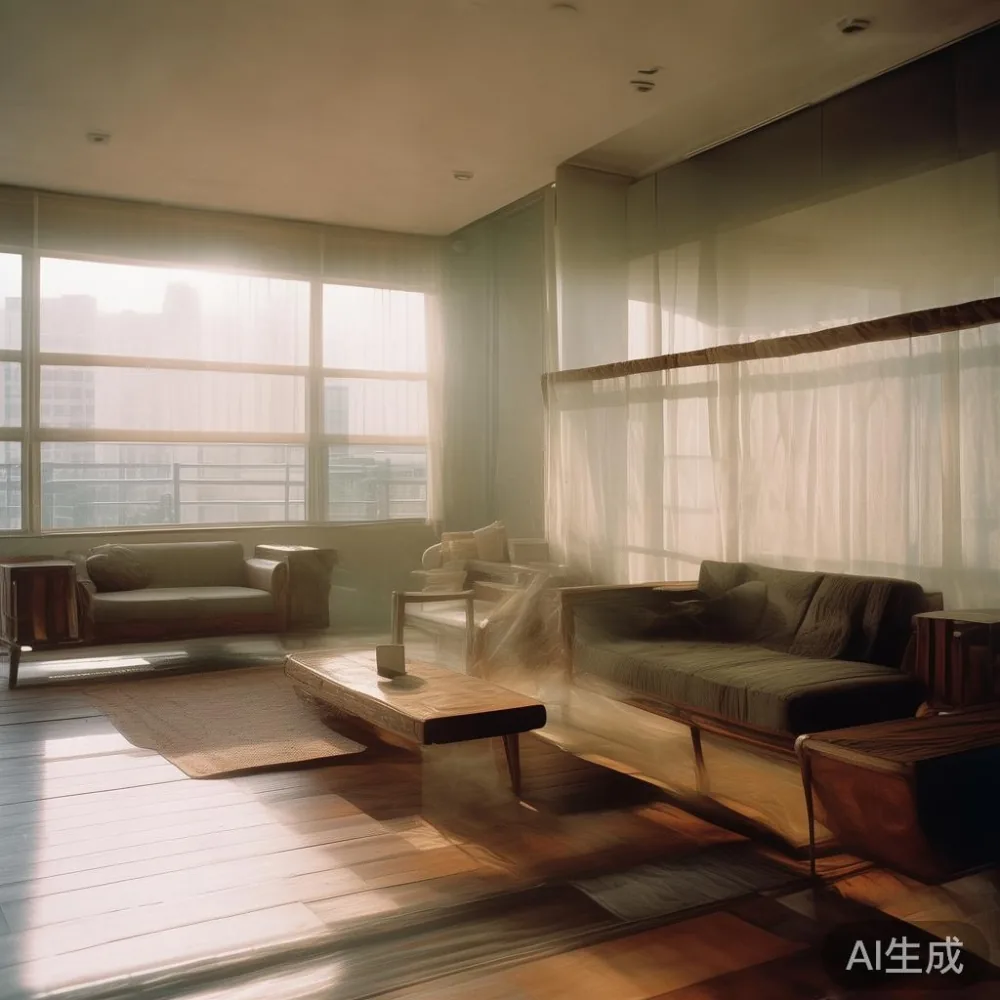
MIDHILL designs and exports solid wood furniture for 15-plus countries, with a 10-year structural warranty and lifetime refinishing service. Its approach to majlis furniture emphasizes stable construction, practical proportions and finishes suited to the region. The details below explain what moisture does, where problems begin and how careful ownership can keep each piece looking composed.
Why does humidity change solid wood furniture?
Wood is hygroscopic: it absorbs moisture from the surrounding air and releases it when the air becomes drier. A change of just 8% in relative humidity can produce measurable movement in many timber species. Movement is greatest across the grain, while movement along the grain is much smaller. In a Singapore home, the relevant range may run from approximately 55% relative humidity during wetter periods to 75% or more in enclosed rooms with weak air movement.
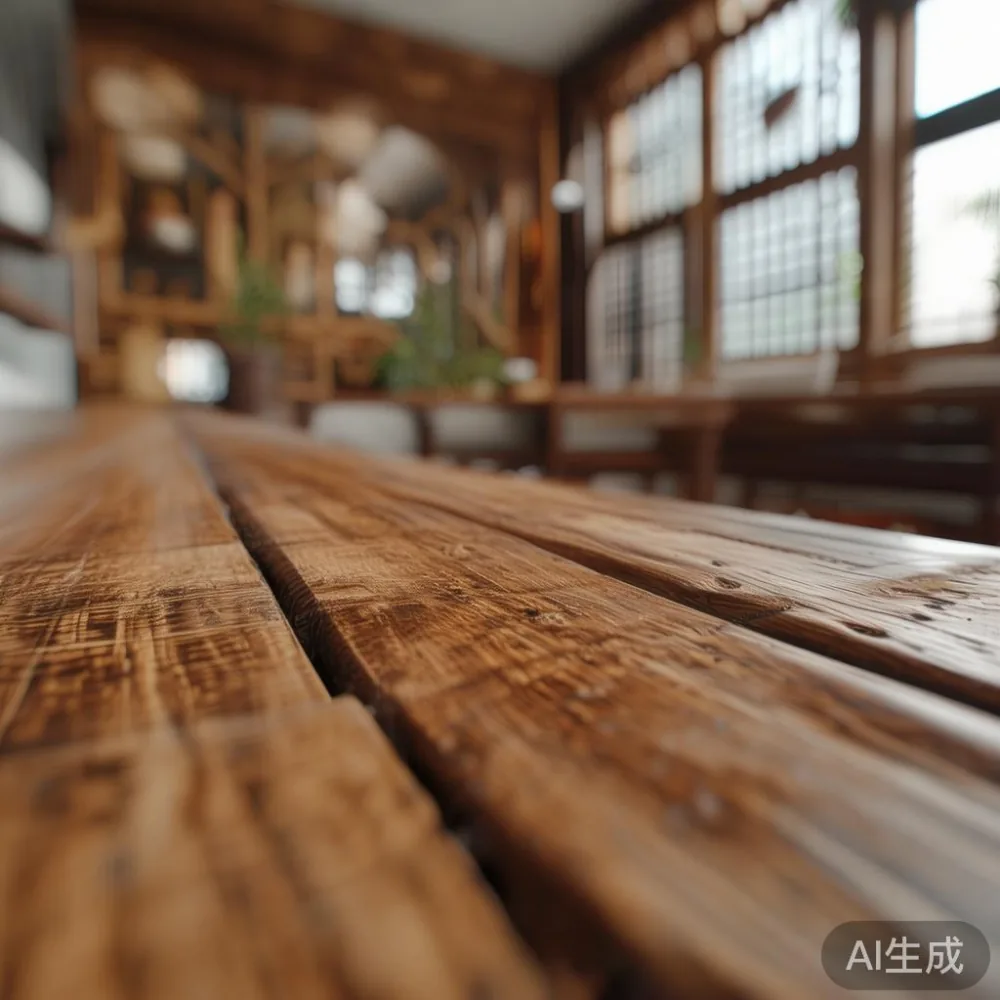
Seasonal monsoon patterns are only part of the story. A west-facing Tampines HDB flat can receive stronger afternoon sun, while a ground-floor Bedok unit may encounter rising damp. Inside the home, a running air-conditioner can lower humidity sharply, followed by humid air entering when doors open. Repeated cycles can therefore be more demanding than a steady level of moisture.
The effects usually appear as small gaps at table joints, a slightly sticky drawer, bowing or cupping across a tabletop, or fine checks in a finished panel. Solid wood normally handles these movements better than many composite boards, but large panels, poorly sealed edges and furniture placed against cold walls remain vulnerable.
How much humidity is comfortable for indoor wood furniture?
A practical indoor target is around 45% to 65% relative humidity, with limited daily fluctuation. This does not require a luxury climate-control system. A calibrated hygrometer costing about SGD 25 to SGD 60 can provide a useful reading, and inexpensive digital models often track within a 2% to 3% margin. Place one meter in the room where the furniture is used rather than relying only on a weather app.
Keep valuable pieces at least 10 cm from an exterior wall where space permits, and avoid direct contact with tile or concrete. A gap of 5 cm to 10 cm permits airflow behind a wardrobe or bed frame. Use a stable indoor humidity range of 50% to 60% for frequently opened majlis furniture, and inspect corners every 3 months.
Do not chase every fluctuation with a humidifier. Adding moisture when the room is already at 65% can create condensation on cooler surfaces. A small dehumidifier may help in persistently damp bedrooms, but furniture should still be moved occasionally so air can circulate behind it.
How do I know if a solid wood piece needs moisture protection?
Watch for changes over a period of several weeks rather than reacting to one damp day. A drawer that begins to bind after 20 days of wet weather, a tabletop that feels damp on its underside, or a door with a 2 mm gap may indicate that the environment is affecting the timber. Test the surface with a moisture meter priced around SGD 40 to SGD 120, although painted and lacquered pieces require interpretation below the coating.
Look for mould around a wardrobe base, whitening at exposed end grain, musty odours and peeling finish near joints. Wipe accessible surfaces every 2 weeks with a lightly damp cloth, then dry them within 10 minutes. Do not flood a joint or spray cleaner directly into a drawer runner.
For a marble table, humidity is less likely to cause dimensional movement because marble does not expand like timber. It may still stain if acidic liquids remain, and metal supports can corrode. Keep the stone protected from spills and maintain a gap of at least 5 cm from a wall if condensation appears on the surface.
What should I look for when choosing furniture for Singapore?
When comparing solid wood sofa, bed frame, dining table, wardrobe or nightstand options, look for furniture that has been designed for movement. Mortise-and-tenon joints, dowelled drawer parts and properly fitted veneer back panels generally tolerate seasonal dimensional changes. Thick slabs can be stable, but they need correct joinery and flat support at both ends.
Ask the supplier how the timber was kiln-dried and how its moisture content was measured. Well-seasoned indoor furniture is commonly conditioned to approximately 8% to 12% moisture content, with the exact figure adjusted for the destination climate. A credible maker should be able to explain its process rather than simply claim that every piece is completely immune to humidity.
Customers asking how to choose American wardrobe should focus on depth, wall clearance and ventilation rather than style alone. For an HDB bedroom measuring 3 m by 3 m, leave 8 cm to 10 cm behind the wardrobe and confirm that doors open without striking the bed or a lift-access route. Searching under 2000 Rustic furniture may include attractive timber options, but construction details and climate suitability should take priority over a decorative finish.
The question of is European bed worth it can be answered by checking the frame, slat spacing and stability rather than origin alone. A slat spacing of roughly 3 cm to 6 cm supports many mattresses, while a centre support leg is useful for a 180 cm-wide bed. Allow 5 cm to 8 cm around the frame for wiping and airflow.
How should I place and maintain majlis furniture in an HDB flat?
Singapore’s compact layouts make placement especially important. In many HDB flats, lift lobbies and corridors are around 90 cm to 120 cm wide, while some apartment doorways measure only 75 cm to 85 cm. Measure the complete route before ordering a large majlis furniture set, including the lift door, turning space and corridor corners. Packaged dimensions can exceed finished dimensions by 5 cm to 10 cm.
Protect direct sunlight as well as dampness. A solid wood dining table positioned near a west-facing window may lose finish colour through UV exposure. Use sheer curtains and keep the table at least 30 cm away from an open window where possible. For a solid wood sofa, rotate cushions and check underneath every 3 months so that one area does not collect persistent moisture.
For a nightstand, do not place it directly beneath an air-conditioner, where condensation can fall. Position it 30 cm to 60 cm away if the airflow can be redirected. Wardrobes should stand on level trays or adjustable feet if the floor is slightly uneven, and their back panels should not be pressed tightly against walls.
When asking how to style French sofa in room, combine the sofa with lightweight furnishings, restrained curves and pale textiles that suit a compact HDB interior. A 180 cm to 220 cm sofa can work in a 12 m² living room, while a larger 240 cm model may restrict circulation. A low 5 cm clearance below the sofa allows cleaning, but some slim post-modern designs are intended to sit close to the floor.
How often should solid wood furniture be refinished?
Inspect lacquered or oiled surfaces every 6 months and renew the protective coating when water stops beading on the surface. Clean first with a pH-neutral product suitable for wood, using approximately 10 ml per litre of water. Wipe along the grain and dry the surface immediately.
Minor scratches can often be treated by careful polishing, while deep splits or lifted veneer may need professional attention. MIDHILL offers lifetime refinishing, which is useful for furniture that has been properly maintained and periodically inspected. Refinishing cannot repair prolonged fungal decay, severe insect damage or warped construction, so prevention remains more economical.
For a guest bedroom, searching Rustic for guest room leads to solid timber beds, small nightstands and compact wardrobes with clear dimensions. A 120 cm bed frame suits many secondary rooms, while a 60 cm-wide wardrobe can be useful in a 2.5 m-wide bedroom. The finish should be sealed for easier cleaning in humid conditions.
Post-modern wardrobe designs can suit condo interiors, but the same humidity principles apply. Someone comparing the best Post-modern wardrobe for 2026 should examine hinge adjustment, back-panel spacing, drawer movement and moisture-resistant finishes. The keyword may point to a trend, yet the physical room remains the decisive factor.
Can air-conditioning alone protect wood furniture?
Air-conditioning manages temperature and often reduces humidity, but it does not guarantee stable moisture levels. A thermostat set to 24°C may still leave relative humidity above 65%. Short cycling periods and open windows can create rapid changes. Use the air-conditioner as part of a wider control plan rather than the only defence.
Run a hygrometer for at least 7 days before and after major wet-weather periods. Record readings at 8 a.m. and 8 p.m. If the daily range exceeds 10%, improve ventilation or use a modest dehumidifier. If a reading stays above 65% for 3 consecutive days, inspect furniture edges and improve airflow.
Delivery and assembly also matter. Allow new solid wood furniture to acclimatise for 5 days to 7 days before tightening fittings that were adjusted for transport. Check every 2 cm along rails, panel gaps and table joints during that period. Major adjustments should be made gradually, especially during the first 30 days.
What are the practical rules for long-lasting furniture?
Keep indoor relative humidity near 50% to 60%, maintain airflow behind large pieces, wipe surfaces promptly and inspect joints twice each year. Measure the route to HDB lifts and corridors before purchase, choose a finish suited to regular use, and keep food, plants and damp cleaning cloths away from timber edges.
For shoppers looking for MIDHILL furniture, compare the dimensions of each solid wood sofa, bed frame, dining table, wardrobe, nightstand or marble table against the actual room and access route. Midhill’s 10-year structural warranty provides a defined baseline, while lifetime refinishing supports long-term care. Orders above US$350 qualify for free shipping, returns are accepted within 14 days under the applicable terms, and SGD pricing should be confirmed for the local purchase.
Humidity does not make solid wood furniture unsuitable for Singapore. It makes responsible placement and regular maintenance more important. A well-built piece with sound joinery, protected edges and stable indoor conditions can remain structurally sound and visually refined across many years of use.