Majlis Furniture: Veneer or Solid Wood? A 5-Year Cost Comparison for Singapore
Choosing between veneer and solid wood is rarely a simple material decision in a Singapore home. The choice affects the purchase price, delivery weight, lift access, maintenance, repair cost and resale value. For furniture intended to remain in a compact HDB flat or condo for 5 years, those practical factors can matter as much as appearance.
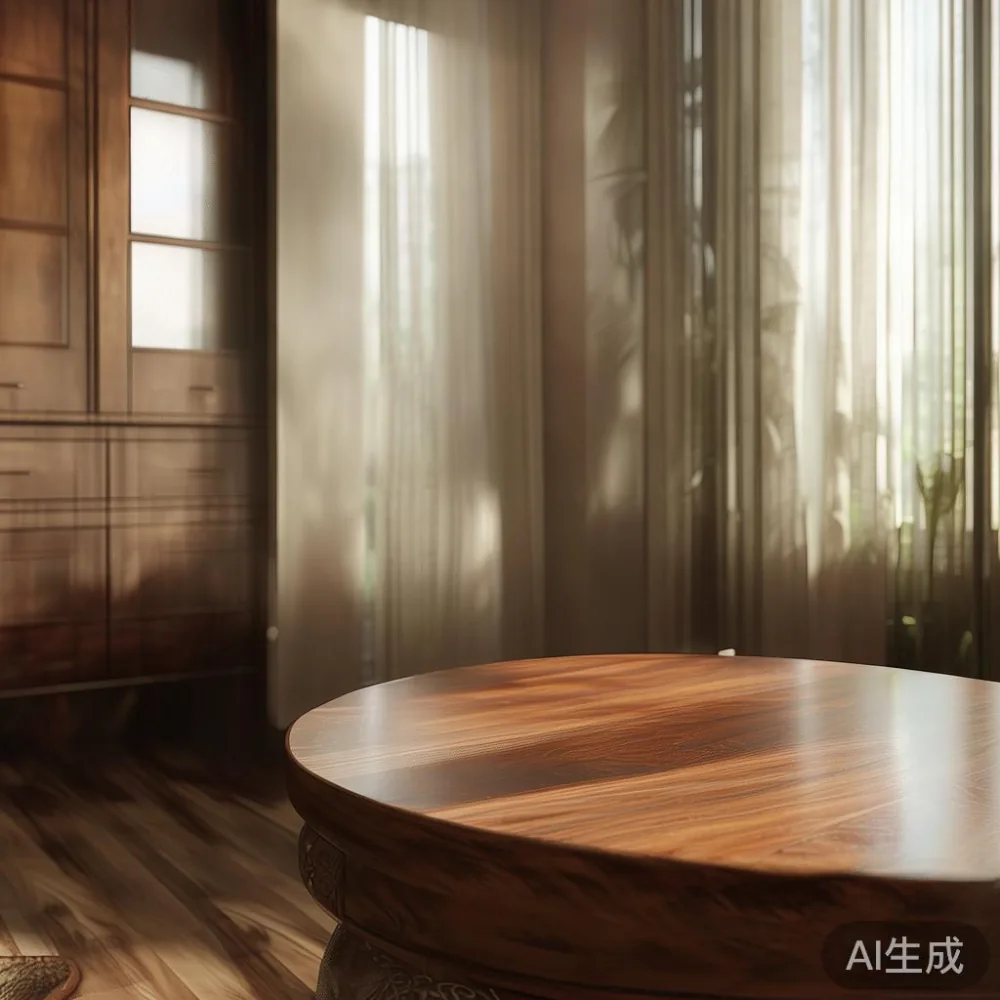
At MIDHILL, we make solid wood furniture for customers in Singapore and international markets, supported by a 10-year structural warranty and lifetime refinishing service. The figures below compare a representative veneer dining table with an equivalent solid wood dining table, then apply the same ownership logic to a sofa, bed frame, wardrobe, nightstand and marble table. Prices are illustrative SGD estimates in 2026, including GST at 9%.
What does veneer actually cost over 5 years?
<High-quality veneer is a thin layer of timber, usually 0.6 mm to 1.2 mm, bonded to engineered board. The substrate may be plywood, MDF or particleboard. A 180 cm dining table in this category might cost SGD 980 including GST, with an expected weight of 42 kg. By comparison, a 180 cm dining table made from solid rubberwood, oak or ash might cost SGD 2,480 and weigh 68 kg.
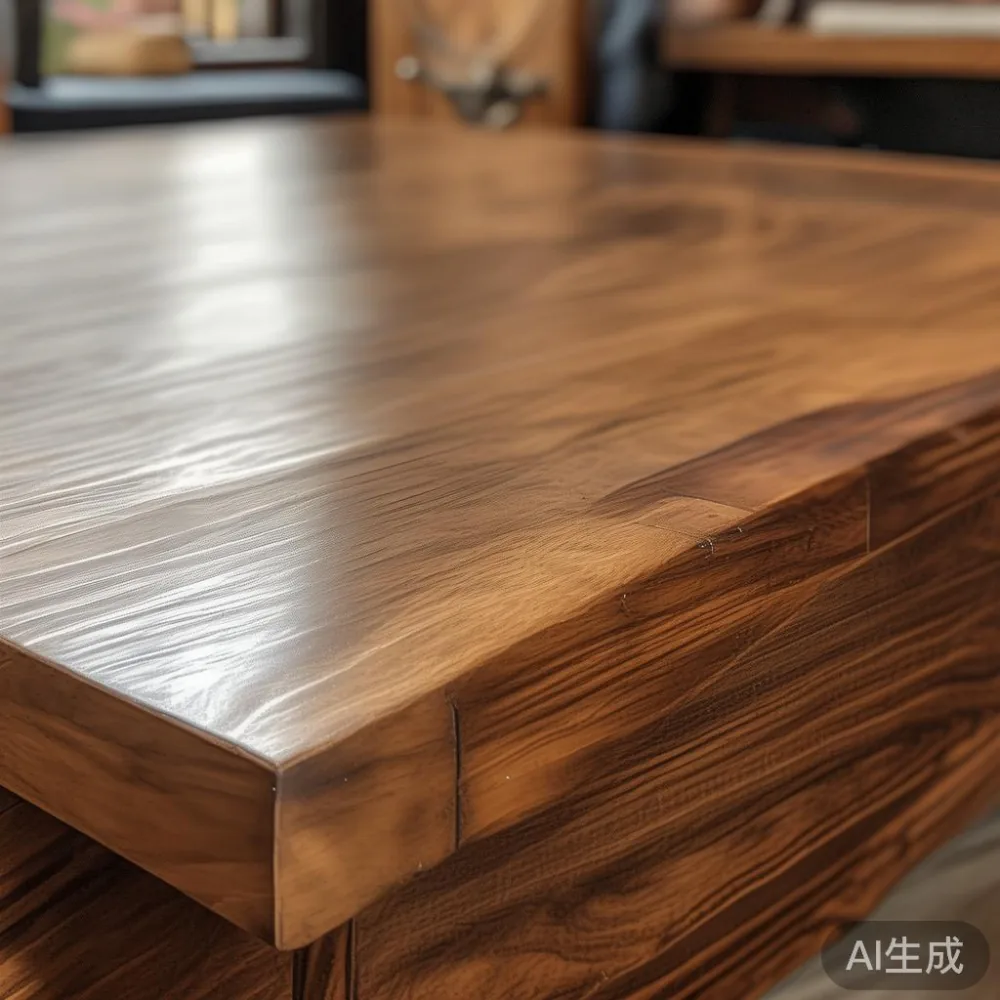
The saving of SGD 1,500 is meaningful. Yet the lower purchase price does not describe the full 5-year cost. Veneer can chip, peel or fade along edges, and moisture exposure may cause swelling or delamination. A local repair may cost SGD 120 to SGD 260 for a small edge repair, while refinishing a 180 cm tabletop can cost SGD 280 to SGD 420. A replacement table or damaged panel can add another SGD 900 to SGD 1,600.
Solid wood does not scratch out of sight, but it moves with humidity. In Singapore’s equatorial conditions, a well-finished solid wood table may need checking every 12 to 18 months. Minor surface marks can often be addressed with refinishing, and a major structural repair might cost SGD 300 to SGD 550. MIDHILL’s 10-year structural warranty covers eligible structural failures, while lifetime refinishing gives long-term owners a defined route for cosmetic maintenance.
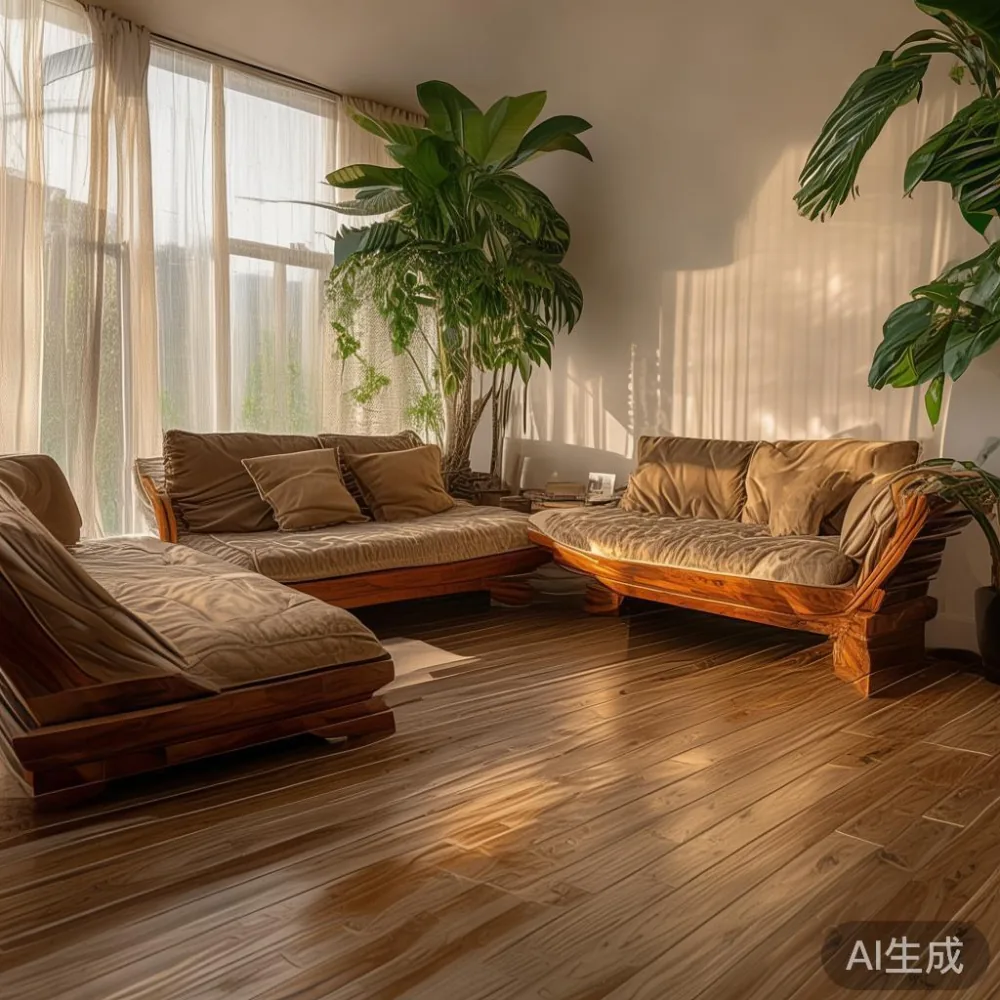
Over 5 years, assume the veneer table receives one SGD 180 repair and one SGD 320 refinishing job. Total ownership cost becomes SGD 1,480, before any replacement risk. Assume the solid wood table receives annual care costing SGD 60 per year, or SGD 300 over the period, plus one SGD 90 repair. Its total ownership cost is SGD 2,870. The initial gap narrows by about SGD 90, but the solid wood option retains more repairability and predictable appearance.
How much does a solid wood sofa cost compared with veneer?
For a 220 cm three-seat sofa, a veneer model may be priced at SGD 1,780 and weigh 76 kg. A comparable solid wood sofa with upholstered cushions may cost SGD 3,280 and weigh 94 kg. The solid wood frame uses more material, while the upholstery and foam account for much of the remaining difference. Neither figure should be compared with a marble table, because the stone surface changes load, cleaning and repair needs.
A sofa’s visible timber is often limited to the frame, legs, arm details and trim. Buyers focused on the best French provincial sofa for 2026 can find curved profiles and timber legs in both material types. The quality of the joinery, seat support and finish matters more than a broad material label. A poorly made veneer frame can loosen faster than a carefully built solid wood frame, while a reputable solid wood frame generally tolerates repeated reassembly better.
At 5 years, budget SGD 70 per year for upholstery care and SGD 120 to SGD 300 for a minor frame or finish repair on a veneer sofa. For solid wood, allow SGD 90 per year for care and SGD 150 to SGD 350 for a repair. A new foam cushion set may cost SGD 260 to SGD 480 regardless of frame material. These are realistic maintenance allowances, not promises that every household will incur them.
Lift access must also be planned. A 94 kg sofa cannot safely be carried up a stairwell by two people if its longest rigid section exceeds the available landing. In many Tampines and Bedok HDB blocks, the lift door measures about 90 cm wide and the internal lift depth is roughly 130 cm to 140 cm. A modular sofa can reduce handling risk, but a single 220 cm section still requires corridor turning clearance beyond the lift opening.
Is a solid wood bed frame worth the extra cost?
A queen bed frame compares at approximately SGD 980 in veneer and SGD 1,880 in solid wood, including GST. Typical weights are 38 kg and 56 kg. The solid wood frame adds around 18 kg, which can complicate delivery to a Punggol or Bedok condo when service lifts are restricted.
Bed frames endure repeated assembly, mattress movement and daily contact. Veneer edges around the headboard and footboard are particularly exposed, and delamination there can be visible within 3 to 5 years in humid conditions. Allow SGD 160 to SGD 280 for veneer edge repair, or SGD 300 to SGD 500 for replacement of one affected section. Solid wood is easier to sand and patch, although deep splits may still need specialist work.
Homeowners searching how to style French provincial bed in room will usually place the frame against a 220 cm to 240 cm wall, leaving 60 cm to 70 cm of circulation space. This planning prevents the headboard from blocking a corridor or compressing a walkway beside the bed. A room of 3.2 m by 3.6 m can accommodate a queen bed with two 55 cm bedside aisles, provided the door swing and nearby sockets are checked before ordering.
Across 5 years, a veneer bed might carry SGD 220 in preventive care, SGD 250 in one repair and a possible SGD 90 hinge replacement. That produces an estimated SGD 1,540. A solid wood bed might carry SGD 300 in care and SGD 180 in one repair, giving SGD 2,360. The veneer option remains cheaper if the surface survives, while solid wood is less dependent on edge bonding remaining intact.
Which wardrobe finishes age better for 5 years?
A 180 cm wardrobe with six doors may cost SGD 1,580 in veneer and SGD 3,180 in solid wood. The corresponding weights are about 78 kg and 116 kg. For the Japanese sofa vs Italian light luxury sofa comparison, finish durability is also relevant: an Italian-inspired light luxury silhouette often relies on polished timber, metal details and large flat surfaces that reveal wear. Japanese-influenced seating may use restrained timber frames and lower visual contrast, reducing the visibility of small marks.
Wardrobe interiors receive repeated hand contact, and Singapore’s humidity can reveal veneer swelling around joints. A typical 5-year maintenance allowance is SGD 240 to SGD 420 for veneer and SGD 180 to SGD 300 for solid wood. Door alignment should be checked every 6 months; an adjustable hinge costs SGD 25 to SGD 60 per unit. Solid timber doors may need refinishing, but they can usually accept local repair without replacing an entire engineered panel.
Space and delivery deserve equal attention. A 116 kg wardrobe may need to be delivered in modules. Before purchase, confirm that the lift can take a 60 cm to 70 cm packed panel and that the corridor provides at least 90 cm of turning space. In older walk-ups, measure the stair width, landing depth and ceiling height. A 3-door module weighing 58 kg may be manageable for two people, whereas a rigid 78 kg cabinet is less flexible.
Buyers considering how to style European light luxury wardrobe in bedroom can pair pale oak, walnut-toned veneer or solid ash with cream walls, brushed brass hardware and a 45 cm to 55 cm aisle. A fitted wardrobe may reach SGD 3,680 in solid wood, depending on drawer boxes, mirrors and internal fittings. Venetian or modern light luxury for guest room schemes can work with a narrower 120 cm wardrobe, but the drawer and hanging depth should match the intended use.
What should a nightstand and marble table budget include?
A 45 cm nightstand may cost SGD 320 in veneer and SGD 680 in solid wood, with weights of 14 kg and 20 kg. A small marble table with a stone top may cost SGD 780, weigh 42 kg and require a separate delivery appointment. Its apparent luxury comes with a different maintenance profile: stone is moisture-resistant but vulnerable to chipping, and the top may weigh 24 kg by itself.
For veneer, budget SGD 80 to SGD 150 for edge and surface work over 5 years. For solid wood, budget SGD 120 to SGD 200 for care and one minor repair. On the marble table, allow SGD 90 per year for professional cleaning and up to SGD 320 for a chipped-edge repair. The stone surface does not make the whole table maintenance-free; the base, joints and delivery remain important.
A useful test is to request the MIDHILL coffee table product specification before checkout. Check the top thickness, dimensions, packed weight and lifting points. A coffee table measuring 110 cm by 55 cm may require a 90 cm lift door if delivered upright, but its 16 kg to 24 kg weight may permit safer rotation by two movers. Delivery to Singapore typically takes 7 to 14 working days after production, while a custom solid wood order may take 21 to 35 days.
What do delivery, GST and access add to the comparison?
All prices in this comparison include 9% GST. For Singapore delivery, typical charges are SGD 0 for orders above US$350, as stated in MIDHILL’s shipping terms, but the threshold is shown in US dollars and the local checkout calculation should be confirmed. A local surcharge for a lift or corridor delivery may range from SGD 0 to SGD 120. If the item must move more than 20 m from the lift, an extra SGD 40 to SGD 80 may apply.
Delivery cost can shift the comparison. A solid wood dining table may require two movers, lifting equipment or a larger vehicle, adding SGD 80 to SGD 250. A veneer table may fit into the standard delivery allocation and avoid that charge. Condo management may also require a loading-bay booking at least 48 hours ahead, and the booked vehicle slot must fit the furniture and the building’s access rules.
Measure the route rather than estimating from the door. Check the lift door width, internal diagonal, corridor turns and the distance to the intended room. For example, a lift with a 100 cm door and 125 cm depth may still reject a 180 cm solid wood table if it cannot be tilted safely. Most dining tables should be carried on edge, but the permitted orientation depends on the construction and floor protection plan.
What would I choose after testing both approaches?
Last month I visited a customer’s 3-room HDB flat in Tampines with my colleague to inspect a dining table after 4 years of daily use. The family’s original veneer table had begun to swell along one warm-side edge, where the finish had cracked near a serving tray. A moisture-meter reading reached 14% in the affected area. Replacing the edge and sanding the top cost SGD 310, and another repair would have approached SGD 650 because the matching veneer was discontinued.
Across the room, the same family had a solid oak table from an earlier purchase. Two pale scratches were visible under angled lighting, but the surface accepted a local refinishing treatment without lifting or replacing material. The repair cost SGD 140. That first-hand comparison shaped our method, although it was one household rather than a universal result.
For a 5-year horizon, I would use solid wood for a dining table, bed frame and wardrobe when the furniture is moved rarely, the route is measurable and the household values repairability. Its greater weight is justified only when the delivery team can handle it safely. A veneer sofa or nightstand can be sensible when the initial budget matters and the pieces will not face heavy edge contact. The material is less important than the build quality, moisture protection, hardware and serviceability of the actual product.
How do you calculate the true 5-year cost?
Start with the GST-inclusive purchase price. Add delivery, lift access, assembly and removal of packaging. Then add 5 years of cleaning supplies, expected minor repairs and one likely refinishing service. Include the full replacement value if an edge, panel or top is difficult to repair. Subtract only the resale value you genuinely expect to receive, often 10% to 25% of the purchase price for a well-maintained piece.
Using the dining table example, the veneer table begins at SGD 980 and reaches roughly SGD 1,480 to SGD 2,400 after maintenance and repair risk. The solid wood table begins at SGD 2,480 and reaches about SGD 2,870 to SGD 3,500 over the same period. If its structural warranty covers the relevant failure and refinishing is available, the solid wood figure may remain more predictable over 5 years.
Singapore’s floor space makes measurement part of cost. A 3 mm misjudgement at the lift can cause an extra delivery attempt, while a 68 kg table moved incorrectly can damage the frame. Ask for a dimensioned drawing, packed weight and delivery plan before ordering. Confirm the 14-day return policy and clarify how wear, custom dimensions and freight charges affect returns.
Neither veneer nor solid wood is automatically the right answer for every majlis furniture purchase. Choose veneer when the piece has limited exposed edges, the budget is fixed and the construction is sound. Choose solid wood when the object will be used daily, repaired rather than discarded and kept beyond a short tenancy. For a majlis furniture arrangement in a compact HDB flat or condo, that balance between material, access and longevity is the most useful 5-year calculation.