Unlocking Solid Wood Furniture Prices: Inside the Singapore Market
When you walk into a furniture showroom in Singapore, the price tags on solid wood pieces can be startling. A single wardrobe might cost SGD 3,500, a dining table set could be SGD 5,000, and a majestic solid wood sofa might easily hit SGD 8,000. The numbers are significant, especially when you consider the context of a Singaporean home. In a new HDB flat in Tampines or a condo in Punggol, hallway widths are often constrained to about 90 cm, and lift dimensions can be as tight as 110 cm deep by 140 cm wide. Moving a large piece of furniture through these spaces is a logistical challenge that adds a layer of complexity—and cost—to the equation. But what are the fundamental reasons behind these prices? Is it just the wood, or is there more to the story?
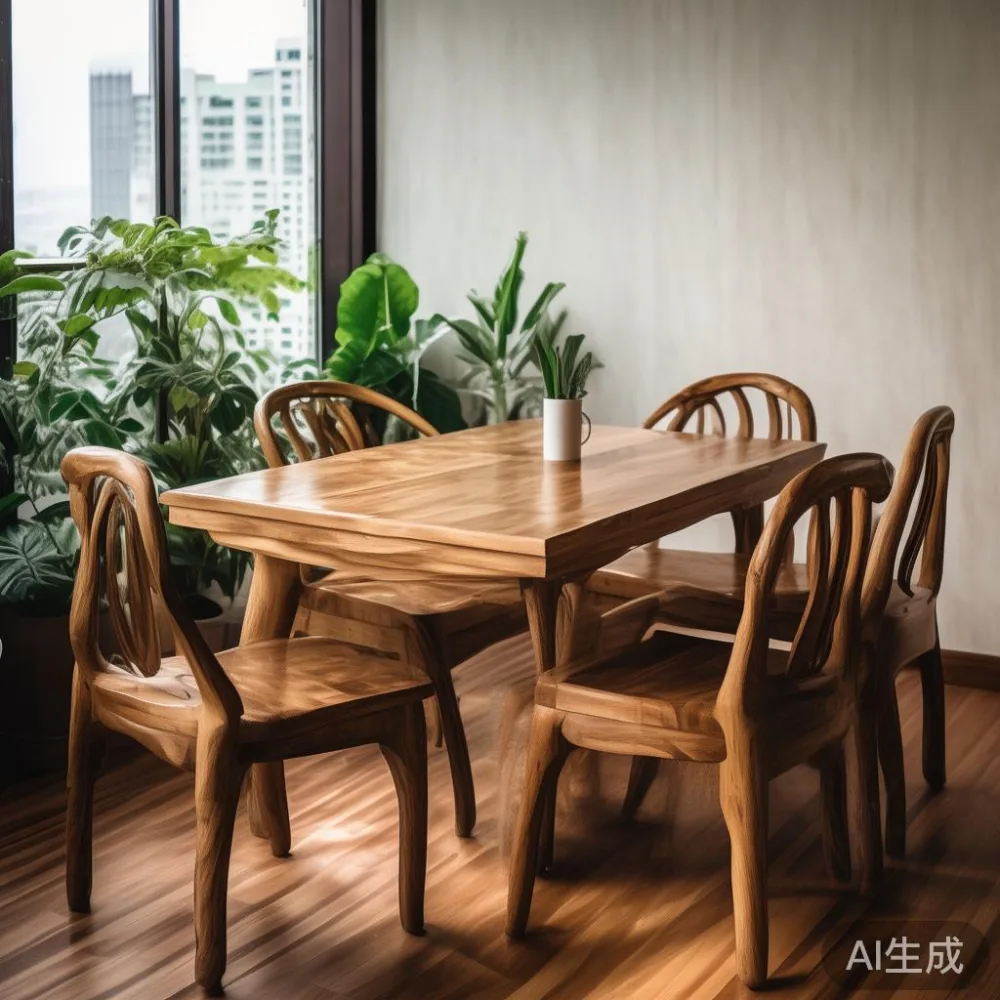
Why Isn't All Solid Wood Furniture Priced the Same?
The first thing to understand is that not all wood is created equal. The price of a solid wood furniture item is heavily influenced by the type of wood used. Hardwoods like oak, walnut, and teak are denser, more durable, and often more expensive than softwoods like pine or rubberwood. For instance, a solid oak dining table might weigh around 45 kg, while a pine version of similar dimensions might weigh only 30 kg. The density of the wood affects everything from the amount of raw material required to the time and skill needed to work with it. A craftsman must use sharper tools and apply more force to shape hardwood, which increases production time. This difference in material and labour cost is a primary driver of the final price you see in the showroom.
Also, the origin of the wood plays a significant role. Woods like American white oak or European walnut have a long history of use in fine furniture, carrying a certain prestige and a higher price tag. In contrast, woods sourced from sustainable plantations in Southeast Asia might be more affordable but still offer excellent quality for everyday use. The choice of wood is not just about aesthetics; it's about performance, longevity, and the story the material tells. This is why a customer might ask for a comparison between an American bed vs Nordic bed, as the wood species and design philosophy behind each will dictate their respective costs.
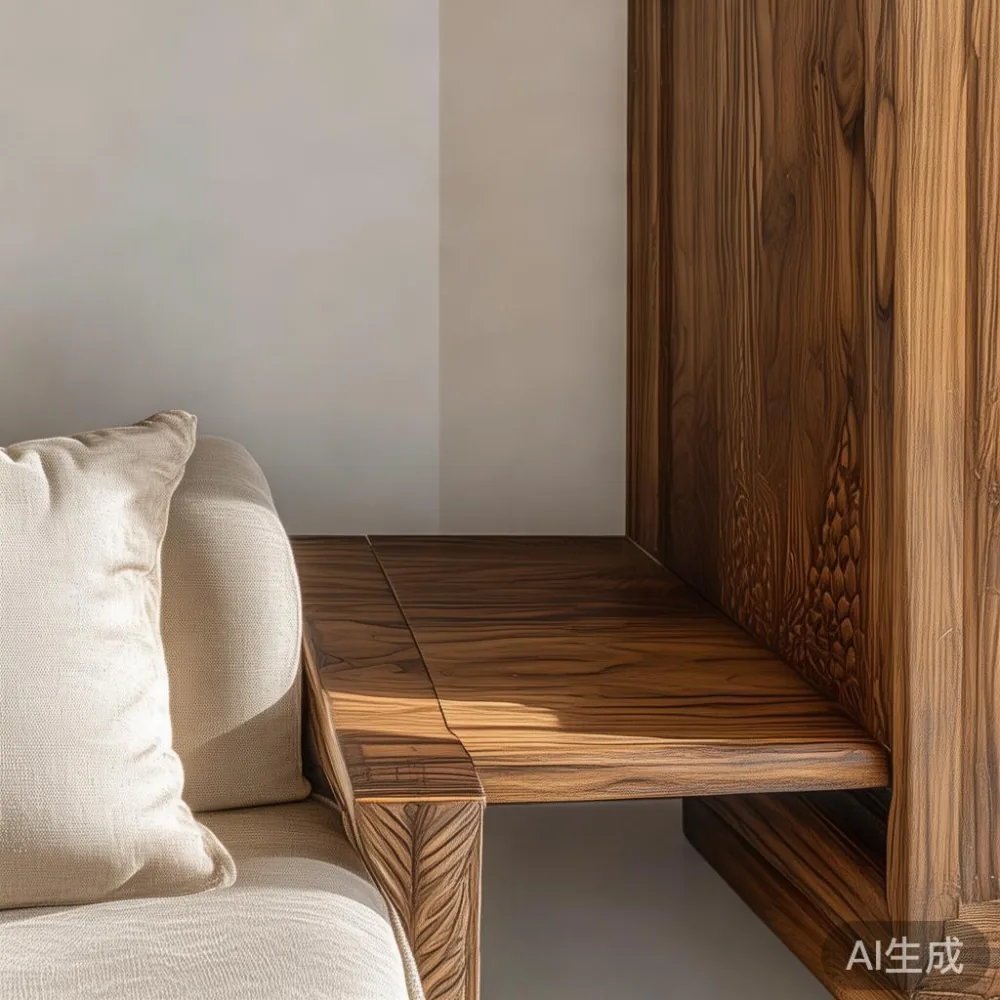
The True Cost of Craftsmanship: Beyond the Wood
If you were to visit a Foshan factory like MIDHILL's, you would quickly realize that the wood itself is only a fraction of the cost equation. The real value lies in the craftsmanship. A piece of solid wood furniture, whether it's a wardrobe, a nightstand, or a marble-top dining table, goes through a multi-stage process that requires skilled hands at every turn. Each piece is cut, planed, sanded, and assembled by artisans who have spent years honing their trade.
Take, for example, a solid wood bed frame. The process begins with selecting planks of wood that have a similar grain pattern to ensure a cohesive look. These planks are then precision-cut to size using computer-controlled machines for accuracy, followed by hand-sanding to achieve a perfectly smooth surface. The joints are not just glued; they are often reinforced with traditional joinery techniques like mortise and tenon, which can take an experienced carpenter several hours to execute perfectly. This level of detail is what separates a mass-produced piece from one built to last a lifetime. My colleague visited a workshop last month and watched a master craftsman spend three full days hand-carving the legs for a single French-style sofa. The dedication to detail is immense, and this skilled labour is a significant component of the final price.
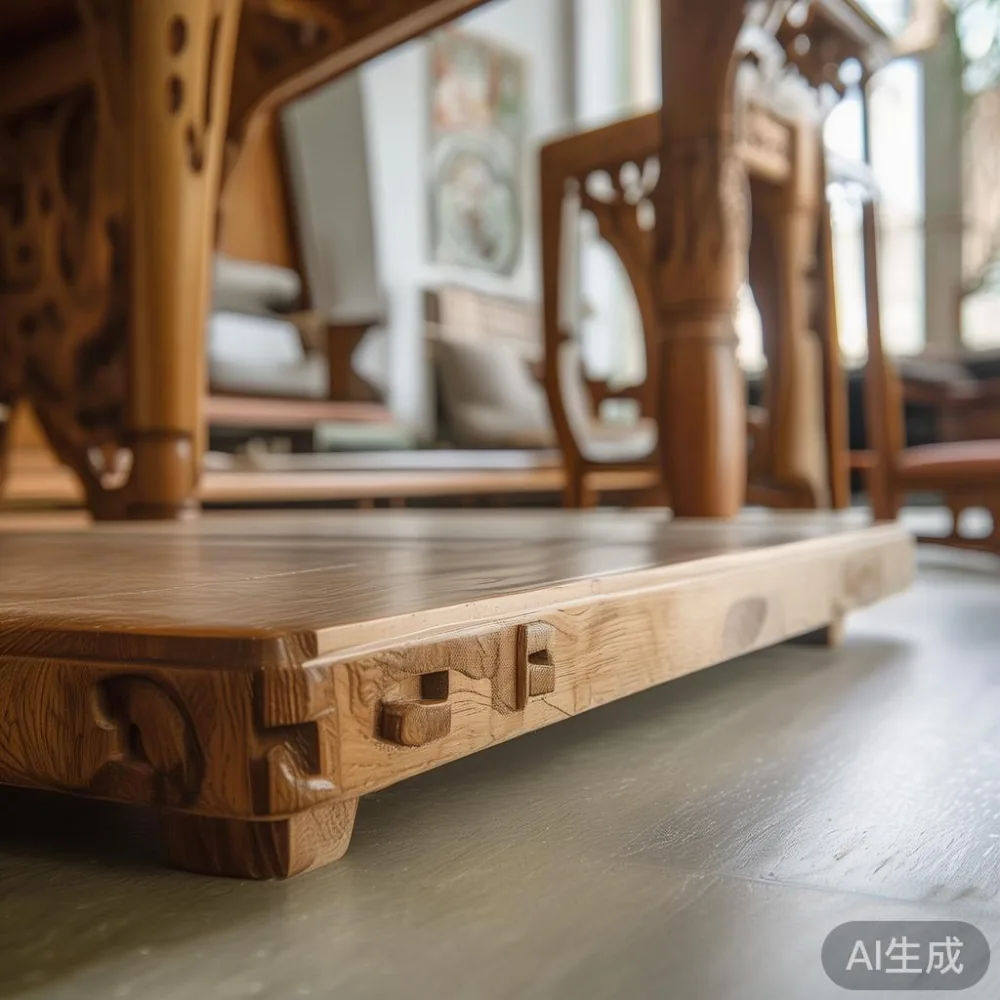
Design, Finish, and the Light Luxury Aesthetic
Design is another invisible cost driver. A simple, minimalist nightstand might be quick to produce, but a piece inspired by French light luxury design—with its intricate curves, fine brass inlays, and elegant proportions—requires extensive design work and prototyping. The design phase involves creating detailed drawings, 3D models, and often full-scale prototypes to ensure every element is perfect. This R&D (Research and Development) cost is spread across the production run of the design, influencing the unit price.
Once the design is finalized, the finishing process begins. This is where the true character of the wood is revealed. A high-quality finish involves multiple steps: a sand-sealer to fill the wood's pores, several coats of a premium lacquer or oil, and extensive hand-polishing between each coat. This process not only protects the wood from humidity, which is a constant concern in Singapore's climate, but also enhances its natural beauty. A Modern light luxury TV console might feature a deep, hand-rubbed oil finish that gives the wood a rich, tactile feel, a process that takes days to complete. This attention to detail is a hallmark of light luxury furniture, which prioritizes understated elegance and superior materials over ornate decoration.
Why Does a Majlis Furniture Command a Premium?
When we talk about solid wood furniture in the context of Singaporean homes, the concept of the majlis furniture becomes particularly relevant. A majlis is a traditional seating area, often found in Middle Eastern homes, but its principles of creating a comfortable, elegant gathering space have been adopted into modern interior design. A majlis furniture set is not just a sofa; it's a complete system of sofas, chairs, and a central table, designed for both comfort and social interaction. Creating such a set requires a complete approach to design.
The price of a majlis furniture is driven by its complexity. A typical set might include a large L-shaped sofa measuring 280 cm by 200 cm, two armchairs, and a marble coffee table. Each piece must not only look beautiful together but also function as a cohesive unit. The sofa, for example, might feature high-density foam cushions wrapped in premium leather or fabric, with a solid wood frame that can support the weight of multiple people. The central table might have a thick slab of marble, which is not only heavy—often weighing over 50 kg—but also requires a perfectly balanced and sturdy base. The design must also consider the practicalities of Singaporean living, such as whether the pieces can be maneuvered through a standard HDB corridor or condo lift. This level of integrated design and functionality is a key reason why a majlis furniture set commands a premium price.
What About the Logistics and After-Sale Support?
Many customers overlook the costs associated with logistics and after-sale service, but these are significant factors in the final price of solid wood furniture. In Singapore, delivery is not a simple matter of loading a box onto a truck. Furniture must be carefully protected from the humid air during transit. A solid wood dining table, for instance, is wrapped in multiple layers of plastic and foam to prevent moisture from causing the wood to swell or crack. The delivery team must also work through narrow staircases, tight corners, and building security, which can take hours for a single delivery.
Reputable brands like MIDHILL offer comprehensive after-sale support, which is a value-add that is factored into the price. A 10-year structural warranty means that if a joint on your wardrobe were to fail due to a manufacturing defect, the company will send a technician to repair or replace it at no cost. This long-term commitment to quality provides peace of mind. Similarly, a lifetime refinishing service means that if the surface of your solid wood sofa becomes scratched over the years, a professional can sand it down and reapply the finish, restoring it to its original condition. This level of support ensures that your investment is protected for decades, which is a core principle of light luxury furniture—buying less, but buying better.
Is a Vintage or Imported Piece Always More Expensive?
This is a question we hear often: Is a vintage piece of furniture always more expensive than a new one? The answer is not straightforward. A piece of under 2000 Vintage furniture might seem like a bargain, but its price is influenced by factors like rarity, condition, and provenance. A well-maintained 1950s teak dining table from a renowned designer could easily cost more than SGD 2,000 because of its historical value and craftsmanship. However, a mass-produced vintage piece from a lesser-known brand might be cheaper, but it could also come with hidden issues like unstable joints or woodworm damage.
On the other hand, new furniture from a reputable manufacturer offers consistency and warranty. You know exactly what you're getting. The price of a new piece reflects the current cost of materials, labour, and design. For example, a top 10 Japandi furniture piece might be priced higher than a generic equivalent because it embodies a specific aesthetic philosophy that values clean lines, natural materials, and minimalist form. The design is intentional, and the quality is controlled from the factory floor to your home. Similarly, when comparing a French bed vs Mid-century modern bed, the price difference reflects the distinct materials, construction methods, and design heritage associated with each style.
Understanding the Long-Term Value of Investment
Ultimately, the price of solid wood furniture should be viewed as an investment. A cheap particleboard wardrobe might last 5 to 7 years before it starts to sag and fall apart. A solid wood wardrobe, by contrast, can be passed down to the next generation. The initial higher cost is offset by its longevity. This is particularly relevant in Singapore, where homes are smaller and furniture must work harder. A well-made solid wood bed frame provides stable support for years, while a flimsy one might creak and wobble, disrupting your sleep.
When you consider the cost over the lifespan of the item, solid wood furniture often offers better value. For instance, a SGD 3,500 wardrobe that lasts 30 years costs about SGD 116 per year. A SGD 1,500 wardrobe that needs to be replaced after 10 years costs SGD 150 per year. The initial investment is higher, but the long-term cost is lower. This is why discerning homeowners in areas like Bedok, with their practical HDB layouts, are willing to pay a premium for quality. They understand that furniture is not just a disposable item but a long-term companion in their home.
The world of solid wood furniture is complex, with prices driven by a confluence of factors: the material itself, the skill of the craftsmen, the elegance of the design, and the peace of mind provided by solid after-sale care. It's about more than just wood and nails; it's about creating a piece that will serve you faithfully for a lifetime, adapting to the rhythms of your life. Whether you are furnishing a majlis for entertaining guests or a simple bedroom for rest, choosing a well-crafted piece is a decision that enriches your daily living. It's an investment in quality, in beauty, and in the story that your furniture will tell for years to come.