The Long-Term Value of Solid Wood: A 5-Year Cost Analysis for Singapore Homes
Choosing furniture for your Singapore home, whether a compact HDB flat in Tampines or a spacious condo in Punggol, involves significant investment. The material – veneer or solid wood – profoundly impacts not just aesthetics but also long-term costs. This analysis breaks down the real financial implications over five years, incorporating local factors like GST, delivery logistics within Singapore's unique living spaces, and the specific demands of our climate.
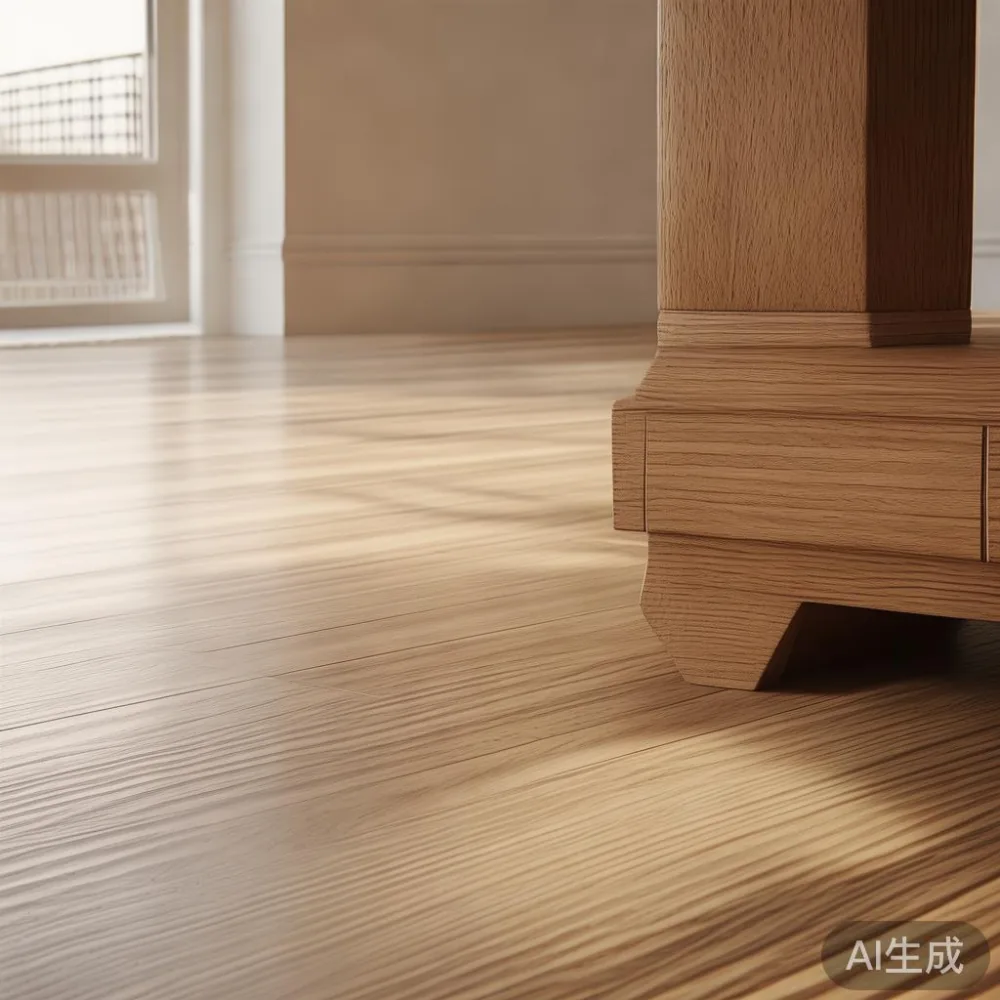
Understanding the Materials: Veneer vs Solid Wood
Solid wood furniture, like the pieces crafted by MIDHILL since 2008, is constructed from a single, continuous piece of hardwood (such as oak, walnut, or mango) for the visible surfaces and structural components. A solid wood dining table, for example, might use 5cm thick planks joined together. This offers inherent strength and natural beauty. Veneer, conversely, involves applying a very thin slice (often less than 1mm) of real wood onto a core substrate, typically MDF (Medium-Density Fiberboard), plywood, or particleboard. This core is much heavier for the same size; a 180cm veneer dining table might weigh 45kg, while a solid wood equivalent could be 35kg. The veneer layer provides the wood grain appearance but lacks the structural integrity of solid wood. For Singaporean homes navigating narrow corridors (often 120cm wide in older HDBs) and lifts (standard internal width around 150cm), the weight difference can impact delivery feasibility and placement.
Initial Investment: Upfront Costs in SGD
The initial purchase price is where veneer often appears more attractive. A veneer wardrobe for a master bedroom might cost SGD 1,200, while a solid wood wardrobe of comparable dimensions (180cm wide x 60cm deep x 220cm high) could start around SGD 2,500. This price gap persists across key pieces: a veneer dining table (seating 6) might be SGD 1,800, versus SGD 3,500+ for solid wood. Even smaller items like a nightstand show the difference; veneer models are often SGD 180, while solid wood starts around SGD 350. For a typical Singaporean furnishing a 3-room HDB in Bedok, replacing a full living room set (sofa, coffee table, TV unit) with veneer might total SGD 4,500, whereas solid wood could easily exceed SGD 8,000. This significant upfront cost is a primary consideration. However, it's important to factor in the value offered. MIDHILL's commitment, for instance, includes a 10-year structural warranty – a level of assurance rarely matched by veneer manufacturers – and free shipping over SGD 350, which covers most of their pieces within Singapore.
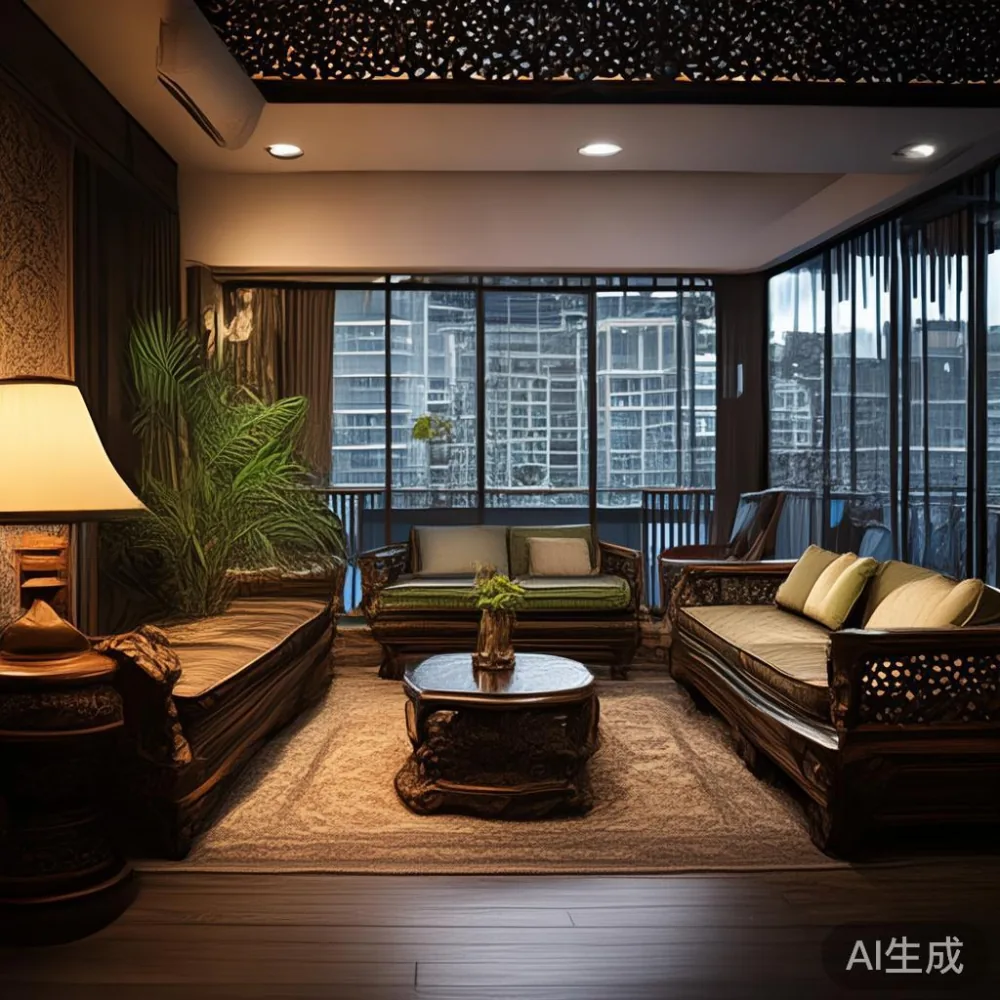
Durability Over 5 Years: Wear and Tear in Singapore's Climate
Singapore's high humidity (averaging 80%+) and temperature (28-32°C) are relentless testing grounds for furniture. Veneer, bonded to a core susceptible to moisture, is particularly vulnerable. Within 1-2 years, veneer wardrobes in humid areas like Punggol's newer estates might show signs: delamination at the edges (where moisture penetrates the glue line), bubbling, or warping of the core substrate causing the veneer to crack. A veneer dining table surface might scratch or dent more readily under daily use. Solid wood, however, breathes naturally. It absorbs and releases moisture without structural compromise. A solid wood bed frame, even a champagne solid wood king bed, maintains its integrity. Solid wood dining tables develop a richer patina over time, minor scratches blending into the character. After 5 years, a solid wood sofa frame remains sturdy, while a veneer equivalent might creak or show signs of joint failure as the core weakens. My colleague, Sarah, who moved into a Tampines condo last year, noted her veneer sideboard started showing edge delamination after just 18 months, requiring costly repairs, whereas her solid wood dining table from another premium maker (similar to MIDHILL's philosophy) looks as good as new.
Maintenance and Repair Costs: Keeping Furniture Pristine
Maintenance costs diverge significantly over time. Veneer requires gentle care. Harsh chemicals or excessive moisture can permanently damage the thin layer. Repairing delaminated veneer is difficult and often costly, potentially requiring professional re-gluing and refinishing of the affected section, easily costing SGD 200-400 per incident. Deep scratches or chips in veneer are very hard to repair invisibly. Solid wood, while needing care, is more forgiving. Regular cleaning with a slightly damp cloth is sufficient. Minor scratches can often be buffed out with fine steel wool. More significant damage can be professionally repaired and refinished. Crucially, many solid wood brands, including those offering lifetime refinishing services like MIDHILL, provide a safety net. If a solid wood dining table top deepens its colour unevenly over 5 years, a professional refinishing can restore it to near-new condition for a fraction of replacement cost, often under SGD 600. Veneer refinishing is rarely feasible; the thin layer is usually sanded off during the process, destroying the finish. Over 5 years, veneer owners might face 2-3 significant repair incidents, while solid wood owners might only need minor touch-ups or one major refinishing.
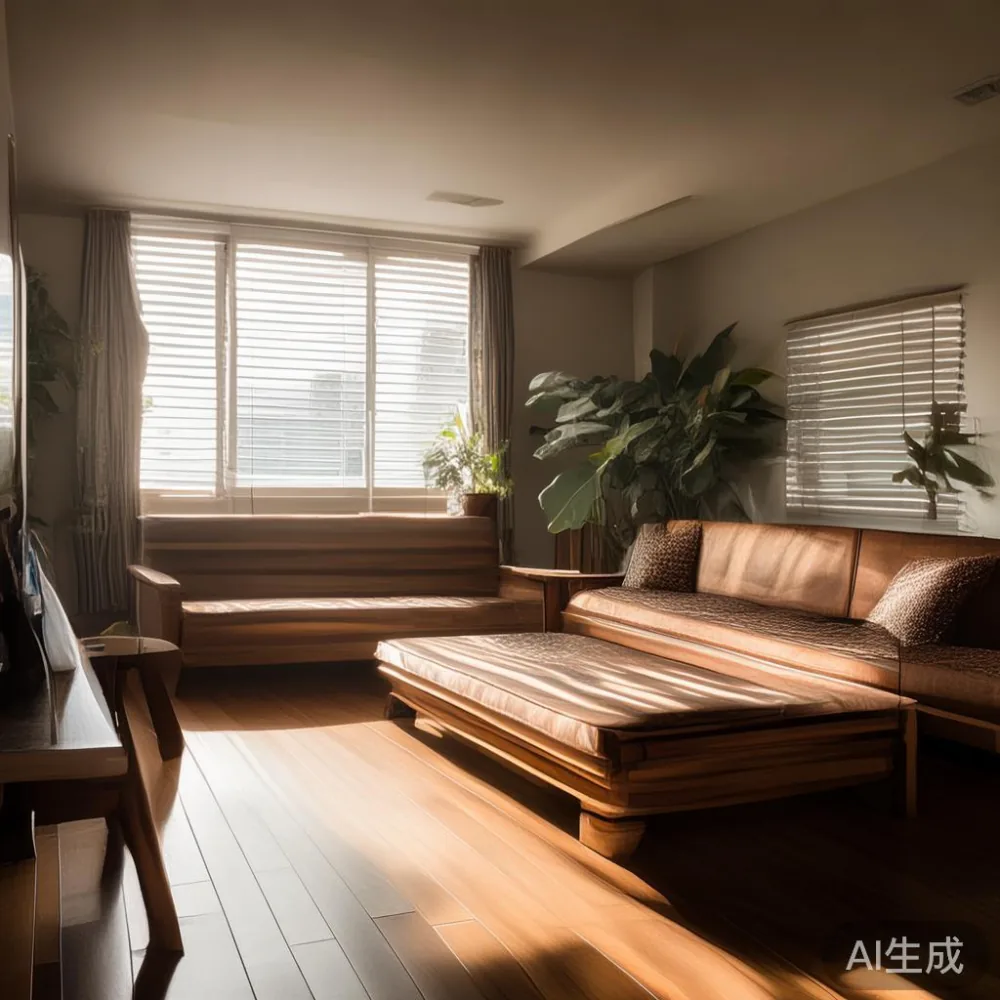
Resale Value: What's Your Furniture Worth After 5 Years?
After 5 years, the financial story shifts dramatically. Veneer furniture depreciates heavily. A SGD 1,800 veneer dining table might have a resale value of SGD 200-300, if it's still in good condition. Its core weakness and susceptibility to damage make it undesirable in the second-hand market. Solid wood furniture, however, holds its value remarkably well. A SGD 3,500 solid wood dining table might still command SGD 1,500-2,000 in the resale market after 5 years of good care. Its timeless appeal, durability, and the ability to be refinished make it a sought-after piece. A solid wood wardrobe or bed frame retains significant value. For Singaporeans who move homes frequently (common in condos or upgrading HDB flats), this resale value is a tangible financial benefit. The difference in resale value after 5 years can easily offset a significant portion of the initial higher cost of solid wood. A well-maintained solid wood sofa might retain 40-50% of its original value, while a veneer sofa might retain less than 15%.
Is Japandi sofa furniture worth it?
Yes, a Japandi sofa, particularly one made from solid wood, offers exceptional long-term value for Singapore homes by blending minimalist aesthetics with solid durability and lower lifetime costs. Japandi style emphasizes clean lines, natural materials, and functional comfort – a perfect fit for Singapore's modern living spaces, whether in a Bedok HDB or a Punggol condo. A solid wood Japandi sofa, featuring a sturdy frame and often natural linen or cotton upholstery, withstands the humid climate far better than veneer alternatives. Its timeless design ensures it remains stylish for years, avoiding the rapid datedness common with cheaper materials. Over 5 years, the initial higher investment is offset by minimal repair needs, excellent durability, and strong resale potential, making it a financially sound choice aligned with light-luxury sensibilities.
5-Year Total Cost of Ownership Breakdown
Calculating the true cost involves more than just the sticker price. Here's a realistic comparison for a key living room set (sofa, coffee table, TV unit) over 5 years in Singapore:
| Cost Component | Veneer Set (SGD) | Solid Wood Set (SGD) |
|---|---|---|
| Initial Purchase Price | 4,500 | 8,000 |
| Delivery & GST (9%) | 491 | 872 (Free shipping often applies) |
| Year 1-2 Maintenance/Repairs | 150 (Minor scratches) | 0 |
| Year 3-4 Major Repairs (e.g., Delamination, Refinishing) | 800 (2 incidents) | 300 (Minor refinishing) |
| Year 5 Replacement Cost (if needed) | 4,500 (Full replacement likely) | 0 (Still functional, refinishable) |
| Resale Value (End of Year 5) | 500 | 3,000 |
| Net Cost Over 5 Years | 9,441 | 6,172 |
This simplified table illustrates that despite the higher initial outlay, solid wood furniture results in a lower net cost over 5 years due to dramatically lower repair/replacement expenses and significantly higher resale value. The veneer set often requires replacement within 5 years, while the solid wood set remains a valuable asset.
Common Mistakes When Choosing Furniture Material
When deciding between veneer and solid wood, Singaporean buyers often make these errors:
- Focusing solely on upfront price: Ignoring long-term durability, maintenance, and resale value leads to higher overall costs. The SGD 1,200 wardrobe might seem cheap now but costs more over time.
- Underestimating humidity impact: Not considering how Singapore's climate affects different materials. Veneer's core is highly susceptible to warping and delamination here.
- Overlooking warranty details: Assuming all warranties are equal. A 1-year structural warranty on veneer offers little protection compared to a 10-year warranty on solid wood structure.
- Neglecting core material quality in veneer: Assuming all veneer is equal. Cheap MDF cores fail much faster than plywood cores, but both are inferior to solid wood.
- Ignoring repair feasibility: Assuming veneer damage can be easily fixed. Repairing delamination or deep chips in veneer is often impractical or prohibitively expensive.
- Forgetting resale value: Not considering that furniture is an investment. Solid wood retains value; veneer often becomes worthless quickly.
Majlis Furniture: Timeless Investment for Singapore Living
The concept of majlis furniture – elegant, substantial pieces designed for gathering and comfort – aligns perfectly with the enduring value of solid wood. A solid wood dining table, crafted to host family gatherings in a Punggol condo or a Bedok HDB, becomes a centrepiece that improves with age. Similarly, a solid wood wardrobe offers substantial storage solutions that withstand daily use in our compact homes. Investing in majlis furniture means choosing pieces designed for longevity. The weight and presence of solid wood contribute to a sense of permanence and quality that veneer simply cannot match over time. This is especially relevant in Singapore's vertical living, where furniture often needs to serve multiple functions and endure for decades. The commitment to quality seen in brands like MIDHILL, offering 10-year structural warranties and lifetime refinishing, reflects the inherent value proposition of well-crafted solid wood majlis furniture. It's an investment in both aesthetic pleasure and financial prudence within the Singaporean context.
Conclusion: Making the Smart Financial Choice
While veneer furniture offers a lower initial price point, a detailed 5-year cost analysis reveals solid wood as the more economical and practical choice for Singaporean homes. The combination of superior durability in our humid climate, significantly lower maintenance and repair costs, and strong resale potential makes solid wood furniture a sound financial investment. The initial higher outlay is offset over time, leading to a lower net cost of ownership. For pieces central to daily life – the dining table where families gather, the bed where we rest, the wardrobe storing our clothes – solid wood provides peace of mind and lasting value. Choosing solid wood, particularly from makers focused on craftsmanship and longevity like those offering majlis furniture, is an investment in the enduring quality and financial sense of your Singapore home.