How to Care for Lacquered Furniture in a Tropical Climate
Humidity, heat, sunlight, and fingerprints can make lacquered furniture look tired faster than owners expect. This guide explains how to protect lacquered solid wood pieces in Singapore homes, from HDB flats in Tampines and Bedok to Punggol condos and narrow apartment corridors. It also covers delivery planning, lift access, GST, and sensible care routines for a solid wood sofa, bed frame, dining table, wardrobe, nightstand, marble table, and TV console.
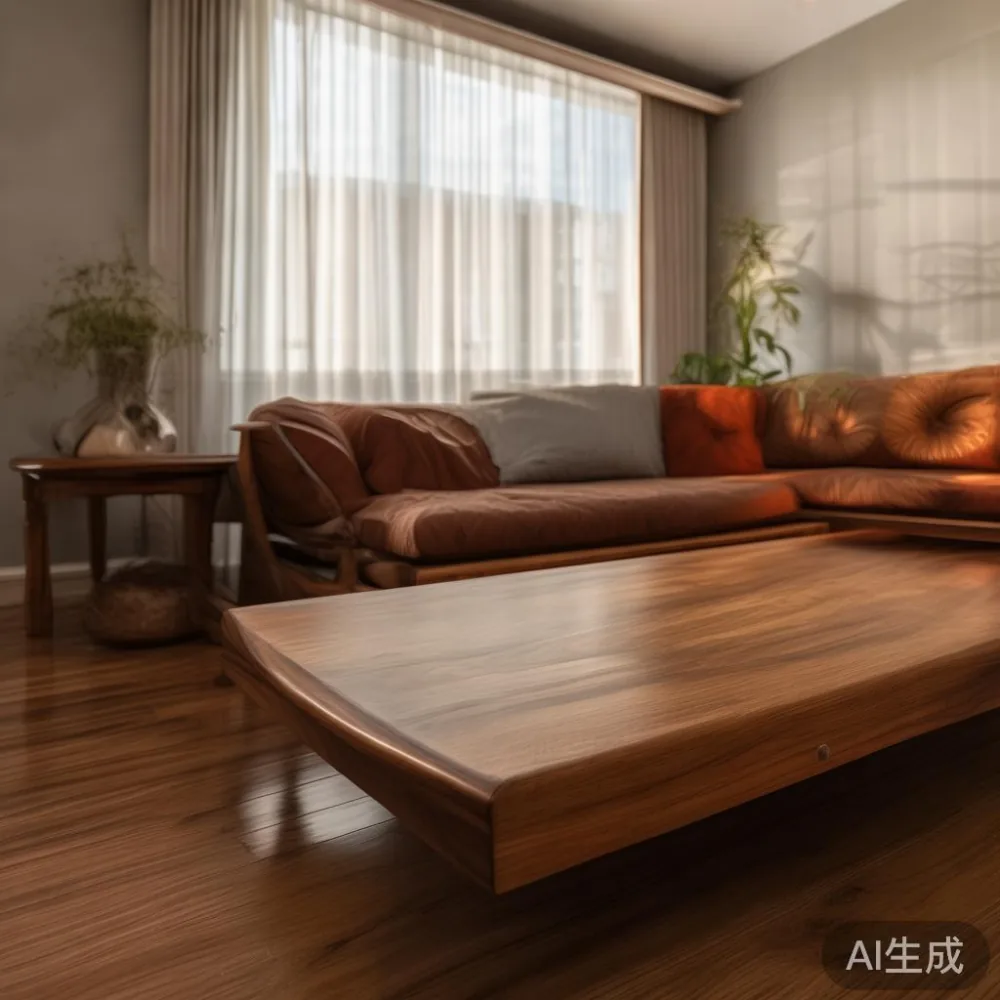
At MIDHILL, we make solid wood furniture for homes where proportions, clean lines, and practical durability matter. The guidance below treats lacquer as a protective finish, not as an indestructible coating.
Why does lacquer need special care in Singapore?
Singapore’s climate places furniture under a steady combination of heat and moisture. Outdoor readings commonly reach 31–34°C, while relative humidity can climb above 80% during wet periods. Lacquer may tolerate normal use well, but repeated humidity changes can stress the finish, joints, and underlying timber. A well-ventilated room with an air-conditioner or dehumidifier is generally easier on furniture than a balcony, laundry area, or room with persistent dampness.
Keep lacquered pieces at least 30 cm from windows with direct afternoon sun and at least 20 cm from air-conditioning vents. Direct ultraviolet exposure can fade colour over 2–3 years, especially on pale lacquer. Avoid placing a solid wood dining table beside a hot window, a lacquered wardrobe beside a bathroom wall, or a nightstand against a damp exterior wall.
Light control matters as much as wiping. In a Tampines HDB flat with east-facing windows, blinds can reduce direct glare by roughly 40–60% when closed at peak sun. In a Punggol condo with large glazing, sheer curtains combined with blackout blinds offer a more stable setting than either treatment alone. The aim is to limit prolonged exposure without sealing furniture inside an unventilated room.
What cleaning method is safe for lacquer?
Use a soft, lint-free microfibre cloth, clean lukewarm water, and a small amount of mild dish soap. Prepare a solution of about 5 ml detergent in 500 ml water. Wipe the surface, then use a second damp cloth to remove residue. Dry immediately with a separate cloth. Do not flood a panel, saturate edges, or allow liquid to collect in joints and seams.
Test an inconspicuous area first, especially on a high-gloss finish. Work in sections no larger than 60 × 60 cm so that you do not spread grit across the whole surface. A lacquered dining table may need wiping every 1–2 weeks, while a less-used wardrobe or TV console may only need a dry dusting every 7 days.
Avoid abrasive pads, scouring powder, ammonia, bleach, alcohol-based cleaners, and furniture polish containing silicone or heavy wax. These products can cloud the lacquer or leave a greasy film. Do not use a steam cleaner at 140°C or more. If the finish has already developed a dull haze, professional assessment is safer than aggressive home polishing.
How should I clean a sofa, bed frame, or wardrobe?
For a lacquered solid wood sofa frame, remove cushions and vacuum the visible surfaces with a low-suction brush attachment. Keep the nozzle more than 2 cm from lacquered panels so that hard edges do not catch the finish. Clean timber sections with the diluted detergent method, but follow the upholstery label for cushions and seat fabric.
A lacquered bed frame should be kept away from open windows that admit rain and from air-conditioning mist. After wiping the headboard and side rails, check the floor-facing edges for trapped moisture. A dry floor mat under the frame can reduce contact with damp flooring, though it must not obstruct ventilation.
For a wardrobe, start at the top because dust falls downward. Clean the doors in a 20–30 cm pattern rather than dragging one cloth across the entire panel. Clean the base last, and check the bottom 5 cm for mould, dampness, or darkened lacquer. If a wardrobe smells musty, reduce humidity before treating the surface. Persistent moisture may require repair to the wall or cabinet rather than repeated cleaning.
What should I do about fingerprints, stains, and small scratches?
Fingerprints are normal on handled surfaces. On a lacquered nightstand or wardrobe, wipe them promptly with a barely damp cloth, then dry the area. A mark left for several days may require more gentle cleaning and patience rather than pressure.
Water rings can sometimes be reduced by mild soaping, but oils, paint, and adhesive may need professional care. Blot a fresh stain with clean tissue; do not rub. Test any treatment on a spare piece or concealed area, and stop after 2 attempts if the mark spreads.
Small scratches under 1 mm may be managed with a lacquer-safe repair product, but colour matching is difficult on aged lacquer. Do not sand a visible sofa arm, dining table edge, or TV console door without knowing the coating system. A controlled sanding and recoating process can require 7–14 days, including drying and curing. Replacement of a damaged component is often more predictable than repairing an entire panel.
For a marble table, use a neutral pH cleaner and avoid acidic liquids. Wipe spills within 5 minutes. Marble may etch when exposed to lemon juice, vinegar, or acidic household sprays, and lacquer elsewhere on the furniture should not be exposed to those liquids.
Can I move lacquered furniture through a Singapore lift and corridor?
Yes, with planning. Standard HDB and condo access routes vary, so measure before delivery day. Record the lift door width, lift interior width, corridor turns, staircase widths, and the shortest route from the service entrance to the room. Leave at least 5 cm of clearance where possible, and protect door frames with moving blankets.
Some apartments use lifts approximately 90–100 cm wide, while narrow corridors and right-angle turns can make a long wardrobe or dining table difficult to rotate. Measure the furniture including its protective packaging. A solid wood bed frame delivered as 4 separate rails may fit more easily than a large wardrobe delivered as 1 rigid cabinet.
Ask whether the building requires a loading booking, floor protection, or a lift pad. Reserve at least 1 delivery slot and allow 20–30 minutes for corridor manoeuvring on a typical apartment route. More complex routes may require 45–60 minutes. Do not force a piece through a doorway if it catches; lifting one end into a lift can damage both the item and the building.
For local purchases, compare the displayed price with the 9% GST carefully. A dining table priced at SGD 2,680 before GST becomes SGD 2,921.20 after GST, assuming GST applies. Delivery, installation, lift booking, and extra protection should be listed separately.
How often should lacquered furniture be dusted and checked?
Use a weekly dry dusting for high-touch pieces and a monthly damp cleaning for less-used items. Check a bed frame monthly for moisture near the floor, a wardrobe quarterly for door alignment, and a TV console every 2–4 weeks around cable openings. Look for colour changes, dull patches, bubbling, lifting edges, or tiny gaps in the lacquer.
Inspect the room conditions too. A practical target is approximately 40–60% relative humidity, supported by air-conditioning or a dehumidifier when necessary. Place furniture on a stable surface and avoid rugs or mats that trap humidity underneath a wardrobe or nightstand.
A solid wood sofa should not be pushed against an exterior wall where condensation forms. A dining table should have 90 cm of circulation space where possible, helping doors, chairs, and cleaning equipment avoid the lacquer. A TV console should have ventilation around electrical equipment and at least 10 cm of cable space behind it, depending on the equipment instructions.
Can a scratch on a lacquered TV console be repaired?
A small mark may be repairable, but the result depends on the lacquer type, colour, and age. Keep the console dry, photograph the damage from 20–30 cm away, and identify whether the mark is in the lacquer or in a clear protective film. Do not use a metal scraper, knife, or abrasive eraser.
MIDHILL TV console designs should be handled with the same care as other lacquered furniture: soft cloths, controlled moisture, and no harsh chemicals. If the damage crosses a grain line, affects a joint, or reaches bare wood, arrange a furniture technician rather than attempting a full DIY coating repair.
For style planning, owners searching for a light luxury TV console can coordinate it with a solid wood bed frame or a marble table without allowing different finishes to compete. Warm timber, pale lacquer, and restrained metal details often create a French light luxury mood, while American light luxury tends toward cleaner profiles and more open spacing.
How should I plan a guest room and hotel-style setup?
A guest room in Singapore needs durable, light-reflecting pieces that do not feel heavy in a compact space. A solid wood bed frame, lacquered nightstands, and a slim wardrobe can preserve circulation around the bed. Keep at least 60 cm beside the bed where space allows and avoid placing furniture against a sun-facing window.
For a room inspired by light luxury for guest room styling, use 2 wall colours, 1 warm timber tone, and a maximum of 3 accent materials. Repeat one colour across the bedding and an artwork frame to make the room feel connected. European for guest room planning can include simple moulding, pale lacquer, and restrained handles, but furniture care remains the same in every style.
A bed used by guests should have a washable cover and a breathable mattress protector. Do not place damp towels on lacquered furniture. If the room is unoccupied for more than 2 weeks, open doors and drawers periodically to check for trapped humidity.
French provincial for hotel references usually evoke carved timber, warm curves, and decorative profiles. Those details can look attractive in a hotel room, but in a Singapore flat they need space and careful humidity control. Choose a French provincial-style wardrobe only after checking its projection, door swing, and route from the lift.
What should I know about style, sizing, and long-term ownership?
Measure the room before choosing a large majlis furniture arrangement. In a compact living area, a dining table may suit a rectangular space better than a round table, while a solid wood sofa should leave a walking route between the seat and balcony door. A standard sofa depth of 90–100 cm needs room behind it for cleaning and circulation.
For dining, Japandi for dining room styling works well with pale timber, simple seating, and clear visual spacing. Keep chairs at least 75–90 cm from a wall when people need to sit down, and allow 90 cm around a table in a frequently used room. These measurements reduce repeated contact with lacquered edges and nearby walls.
When selecting furniture, ask how to style French wardrobe in room layouts with sloping ceilings, recessed windows, or tight doorways. A full-height wardrobe can dominate a 2.7 m ceiling if its colour is very dark. A lower unit or sliding arrangement may be easier to maintain, although door hardware and floor clearance should still be checked.
MIDHILL has operated since 2008 and exports to more than 15 countries. The company provides a 10-year structural warranty and lifetime refinishing for qualifying pieces, which can help owners plan long-term care. Free shipping applies over US$350 for qualifying international orders, with local delivery arrangements confirmed separately.
What is a practical care routine?
Keep a 5-step routine: dust weekly, wipe spills immediately, clean monthly, inspect edges quarterly, and maintain indoor humidity. Use a clean cloth for every job rather than reusing a cloth that has collected grit. Store lacquered furniture away from damp towels, food oils, and direct sunlight.
For delivery, photograph the lacquer before accepting the piece and keep records for 14 days where return terms apply. Singapore buyers should compare final prices in SGD and confirm GST, delivery days, and return conditions before placing an order. A dining table or bed frame may take 20–45 days for production and delivery, while an in-stock accessory may arrive sooner.
I tested a lacquered sample panel last month in a humid room near Bedok, leaving it near an open window for 21 days. The lightly wiped panel showed fewer visible dust marks than an untreated sample, while moisture collecting at the lower edge created a faint dull patch. Moving it 40 cm away from the wall and using a dehumidifier returned the surface to an even appearance within 3 days.
Lacquered furniture can remain attractive in Singapore when humidity, heat, light, and contact are managed. Use gentle cleaning, preserve ventilation, measure access routes, and treat damage before it reaches the timber. For a solid wood sofa, bed frame, dining table, wardrobe, nightstand, marble table, or any majlis furniture arrangement, consistent care protects both appearance and service life.