How to Care for Lacquered Majlis Furniture in a Tropical Climate
Lacquered furniture can look polished and refined in an HDB flat or condo, but Singapore’s heat, humidity, salt air and frequent cleaning can test the finish faster than dry indoor environments. The practical answer is simple: control moisture, clean gently, protect high-contact surfaces and treat lacquer as a living finish rather than a permanent shield. This guide explains how to care for a lacquered solid wood sofa, bed frame, dining table, wardrobe, nightstand and marble table without turning maintenance into a full-time chore.
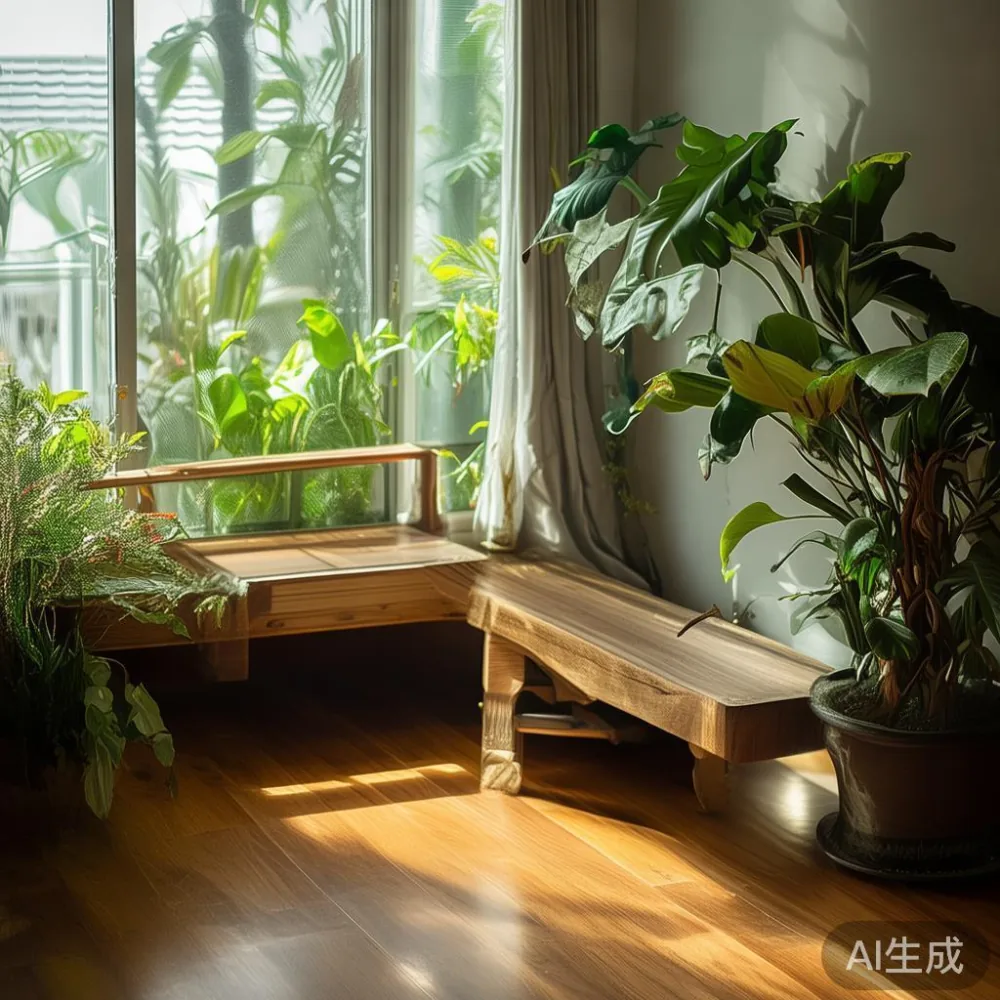
MIDHILL builds majlis furniture with solid wood construction and a 10-year structural warranty. Lacquer, however, is a surface system rather than a promise that colour will never change. Around 60–80% relative humidity is a sensible target, with surfaces kept away from direct sun and standing water. For residents in Tampines, Bedok and Punggol, good airflow, measured cleaning habits and sensible placement matter more than expensive equipment.
Why does lacquer need special care in Singapore?
Singapore’s tropical conditions create a repeated cycle of warm air, condensation, UV exposure and household cleaning. A bedroom may sit near 27–30°C, while coastal humidity and an enclosed HDB corridor can affect furniture placed near an entry. Lacquer generally resists ordinary use, but moisture entering a joint, a scratch exposing timber, or a harsh detergent can leave a visible mark that the underlying wood cannot hide.
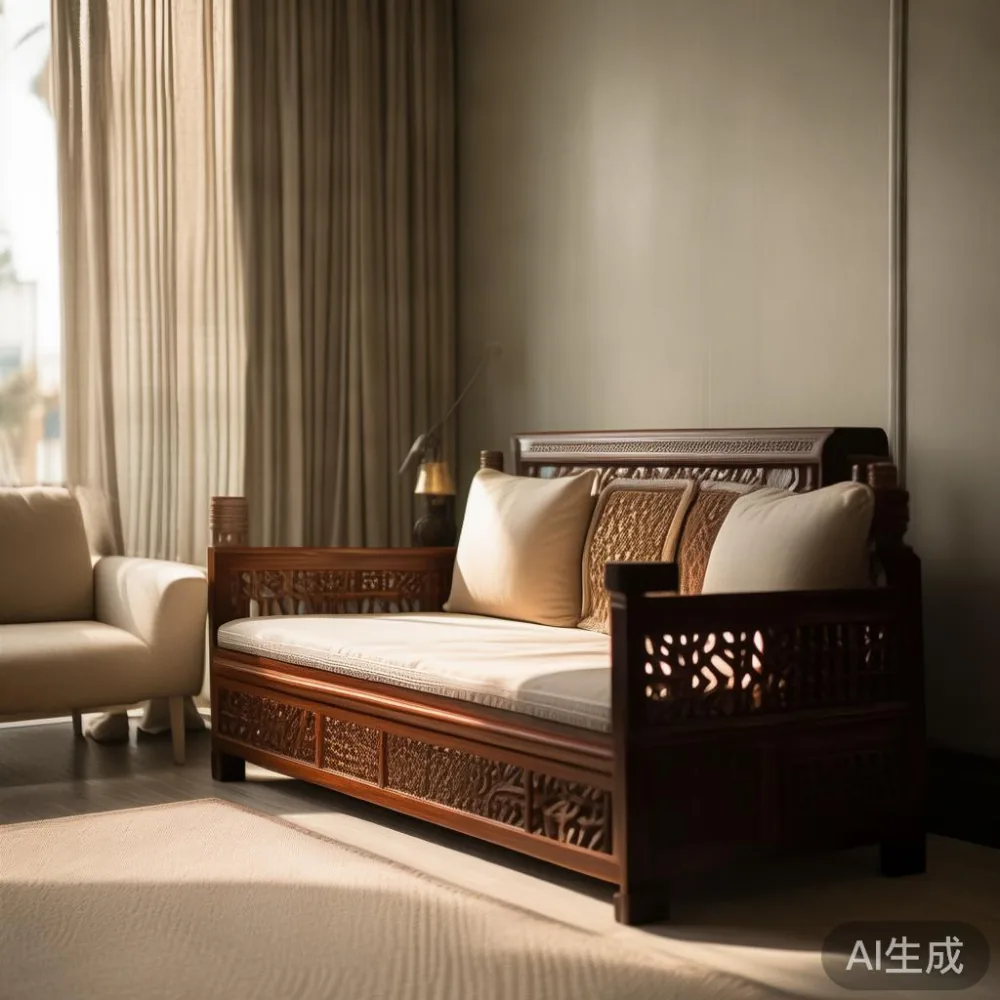
Heat expands wood and lacquer at different rates. A dining table exposed to a west-facing window at 32°C can develop fine stress marks over several months. A wardrobe positioned directly beside an air-conditioning vent may dry unevenly, while a bed frame close to an open bathroom door can absorb humidity after every shower. Keep furniture at least 30 cm from windows with direct afternoon sun and at least 60 cm from air-conditioning outlets when the layout allows.
Cleaners are another common source of damage. Strong alkaline cleaners, bleach, vinegar, alcohol and “degreaser” sprays may soften the finish or leave a hazy film. Use a soft microfibre cloth, lukewarm water and a drop of pH-neutral dish soap. Test the mixture on a concealed area for 24 hours before applying it to the visible face.
What is the safest routine for weekly cleaning?
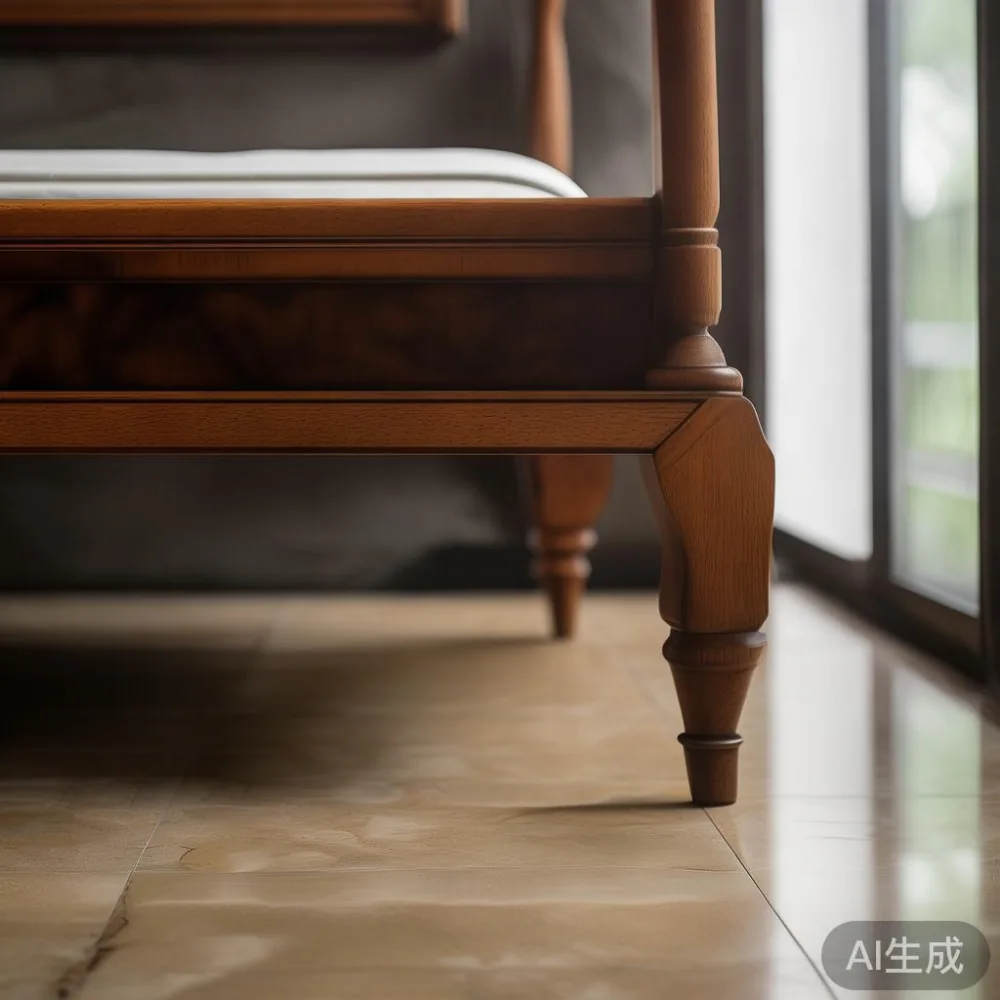
Dust with a dry microfibre cloth every 7 days. For marks, use a separate cloth lightly dampened with the diluted soap solution, then wipe with a second dry cloth. Never soak an edge, flood a joint or spray cleaner directly onto lacquer. The cloth should be damp, not dripping; aim to leave no more than 2–3 drops of water on the cloth.
Wipe spills within 5 minutes. Ring marks from glasses and cups should be removed before they dry. Avoid felt pads containing unknown chemicals, abrasive pads and conventional erasers. If a mark remains, use a clean white melamine foam on an inconspicuous area only, because incorrect pressure can polish one patch more than the surrounding surface.
For a solid wood sofa, pay attention to armrests, seat fronts and table-height surfaces. Lift cushions rather than dragging them across lacquered arms. For a bed frame, vacuum the perimeter and clean the headboard with the same low-moisture method. A dining table needs more frequent wiping because food oils, hand sanitiser and hot serving dishes reach it daily. Do not place a 70°C bowl straight from the microwave onto the finish; use a trivet with at least 4 raised feet.
For a wardrobe, open the doors for 10–15 minutes after showers where practical. Keep the base 5 cm above the floor if the home is susceptible to dampness, and leave space between the back panel and wall for airflow. A nightstand should be kept clear of humid appliances and damp towels. On a marble table, use a pH-neutral cleaner and dry the stone promptly, although the lacquered timber support still needs moisture protection.
How should I remove scratches without ruining the finish?
Start by identifying the mark. A superficial scuff often lifts with a clean microfibre cloth and a little diluted soap. A shallow scratch in lacquer needs restraint: a wax polish matched to the finish can reduce visibility, but applying too much can create a sticky patch. Use a pea-sized amount, spread it with a soft cloth and buff for 2–3 minutes. Allow the surface to cure for at least 24 hours before heavy use.
Do not sand a lacquered finish at home. Even 800-grit paper can cut through the colour coat, and a 60 cm dining table has a large area that becomes visibly uneven if the wrong grit or pressure is used. For deeper damage, photograph the affected area in daylight, measure the damaged zone and ask the manufacturer for a repair assessment. A 15 cm scratch along a wardrobe edge may need a panel replacement rather than a local touch-up.
Last month I visited a family in Bedok whose dining table had a 12 cm ring mark after a hot cup of kopi was left on it. The owner had already tried an abrasive pad. We cleaned the area with warm water and pH-neutral soap, dried it for 20 minutes and treated the remaining mark with a colour-compatible lacquer wax. The shine became more even after two careful sessions, and no additional coating was applied. The experience reinforced a simple rule: more product does not mean more pressure.
Should I use wax, oil or a lacquer-specific polish?
Use the product recommended for the exact lacquer type. “Wood polish” is a broad category, and waxes, oils and resin-based polishes do not behave identically. An oil may enrich bare wood, but it can collect dust or make lacquer slippery. A high-satin wax may look wrong on a matte surface. Ask MIDHILL or the supplier for the finish specification before introducing any treatment, especially for a dark, high-gloss or textured lacquer.
Apply care products sparingly and to a hidden area first. A nightstand gives a useful test area: apply a 2 cm patch, leave it for 48 hours and compare it in daylight and under warm evening light. If the area feels sticky after 24 hours or changes colour, remove it according to the polish instructions and stop testing.
Furniture should not be waxed immediately before guests sit on it. Lacquer polish may need 24–72 hours to settle, depending on ventilation and humidity. Maintain a simple record of the product name, date and area treated. This takes about 30 seconds and prevents incompatible products from being layered.
Can I place lacquered majlis furniture near windows and air-conditioning?
Yes, with measured distance and sensible rotation. UV exposure is cumulative rather than dramatic: curtains can reduce daylight by 30–50%, but they should not touch a lacquered surface because trapped moisture may remain against the finish. Rearrange seating every 3–6 months so one panel does not fade continuously.
Air-conditioning lowers humidity but can create dry airflow. Avoid pointing vents directly at a bed frame or wardrobe for more than 8 hours a day. In an HDB flat, furniture may sit near the main door, lift lobby or corridor, where shoes, damp umbrellas and trolley traffic can increase abrasion. Place a washable mat at the entrance and wipe shoes before moving beyond the foyer. Use felt pads under frequently moved chairs, but inspect them every 2 months for grit.
Service and lift access matter during delivery and replacement. Measure the lift door, corridor turns and home entrance before ordering. A compact lift with an 80 cm door may accommodate a slim nightstand but not a wardrobe panel or a 180 cm dining table assembled. MIDHILL offers delivery over US$350, equivalent pricing in SGD according to the current quotation, and customers should confirm GST, access charges and the estimated delivery window of 7–14 days for Singapore orders.
How often should lacquered furniture be professionally refinished?
Inspect lacquer every 6 months and refinish when colour continuity can no longer be restored through careful care. High-use dining tables may need assessment every 3–4 years; a protected wardrobe or nightstand may last longer. Tropical conditions, sun exposure and cleaning frequency determine the interval more than a fixed calendar.
MIDHILL provides lifetime refinishing for eligible pieces, while its 10-year structural warranty covers the underlying construction. Keep invoices, finish samples and care records. Structural integrity and cosmetic wear are separate: a stable solid wood sofa may still need surface renewal after scratches, while a visually marked panel may be sound below the lacquer.
Can lacquered solid wood furniture fit a light-luxury apartment?
Light luxury depends on proportion, finish control and restraint rather than oversized decoration. French light luxury works well with pale timber, curved profiles and fewer accessories. If you are learning how to style light luxury wardrobe in bedroom, begin with one vertical focal surface, keep the handles coordinated and leave 20–30 cm of visual breathing room where possible. The same restraint suits a solid wood sofa upholstered in a durable, light-toned fabric.
For a bedroom, how to style French bed in apartment involves a properly scaled frame, balanced bedside pieces and uncluttered circulation. A 150 cm bed suits many Singapore bedrooms, while a 180 cm model needs careful checking of the lift and corridor widths. For a dining area, maintain 90 cm around chairs where possible and at least 75 cm along frequently used passages. A marble table may be easier to maintain in a dining setting, but its timber base still requires dry cleaning.
American light luxury favours clean lines, tactile upholstery and carefully spaced objects. Post-modern light luxury can pair one sculptural element with quieter furniture, provided the materials feel related. For hotel projects, European light luxury for hotel requires durable finishes, documented care and coordination with housekeeping schedules. A guest room under European for guest room styling benefits from a restrained palette, washable textiles and surfaces that can be serviced without frequent replacement.
Editorial guides about top 10 Minimalist furniture often encourage fewer, better-placed pieces, although furniture selection should follow actual room dimensions rather than a generic ranking. Likewise, a search for best Italian light luxury furniture can highlight attractive finishes, but the supplier’s repair terms, timber specifications and local support matter more in a humid home.
What should I do when lacquer starts to swell, peel or discolour?
Stop applying household cleaners. Isolate the affected area, keep it dry and record the size with a ruler. Swelling near a joint may point to water ingress; peeling can follow impact or an incompatible polish; discolouration may result from prolonged heat or sunlight. Avoid adhesive tape on the damaged zone, because pulling it away can lift more lacquer.
Photograph the furniture in daylight, with one close-up and one wider image. Note the room temperature, humidity and recent cleaning products. Contact the maker with these details rather than describing the mark only as “damaged”. Clear information allows a finish specialist to distinguish lacquer failure from movement in the timber, stone staining or ordinary fading.
Minor marks may be managed with approved polish, while blistering or lifting usually needs professional treatment. If a dining table has more than 2% of its visible surface affected, local repair can become noticeable; a full refinishing assessment may produce a more consistent result. Keep the furniture indoors at 24–29°C and below 70% relative humidity while awaiting advice, but do not create rapid moisture changes with a dehumidifier or direct air-conditioning blast.
What is the practical care checklist?
Dust every 7 days, inspect every month and perform a detailed check every 6 months. Keep liquids away, wipe spills within 5 minutes and use coasters, trivets and placemats. Maintain indoor humidity around 60–80%, remove standing water after mopping and leave doors open after showers. Clean with warm water, a drop of pH-neutral detergent and a microfibre cloth; never spray directly onto lacquer.
Move dining and coffee tables away from direct afternoon sun where possible. Use 4–6 mm felt pads under movable chairs and replace them when embedded grit appears. Check lacquer after Singapore’s hottest periods, especially from May to September. Keep pets away from surfaces marked with nail polish, and use protective pads beneath plant saucers because trapped moisture can cause a ring.
These habits protect the appearance of majlis furniture without demanding constant intervention. A lacquered solid wood sofa, bed frame, dining table, wardrobe, nightstand or marble table will remain easier to maintain when moisture, heat, abrasion and incompatible chemicals are controlled from the beginning. With 14-day return terms available for eligible Singapore purchases, compare access, care information and finish support before committing, and retain the documentation supplied with the furniture.