How to Care for Lacquered Surfaces in a Tropical Climate
Singapore’s warmth and humidity can make a beautifully finished lacquered surface look tired faster than expected. Sunlight through HDB windows, condensation from an air-conditioned room, salty air near the coast and frequent hand contact all contribute to wear. The good news is that a sound lacquer system can remain attractive for years when it receives sensible care. For anyone choosing majlis furniture in Tampines, Bedok or Punggol, the practical goal is simple: preserve the finish, protect the solid timber underneath and prevent small problems from becoming expensive repairs.
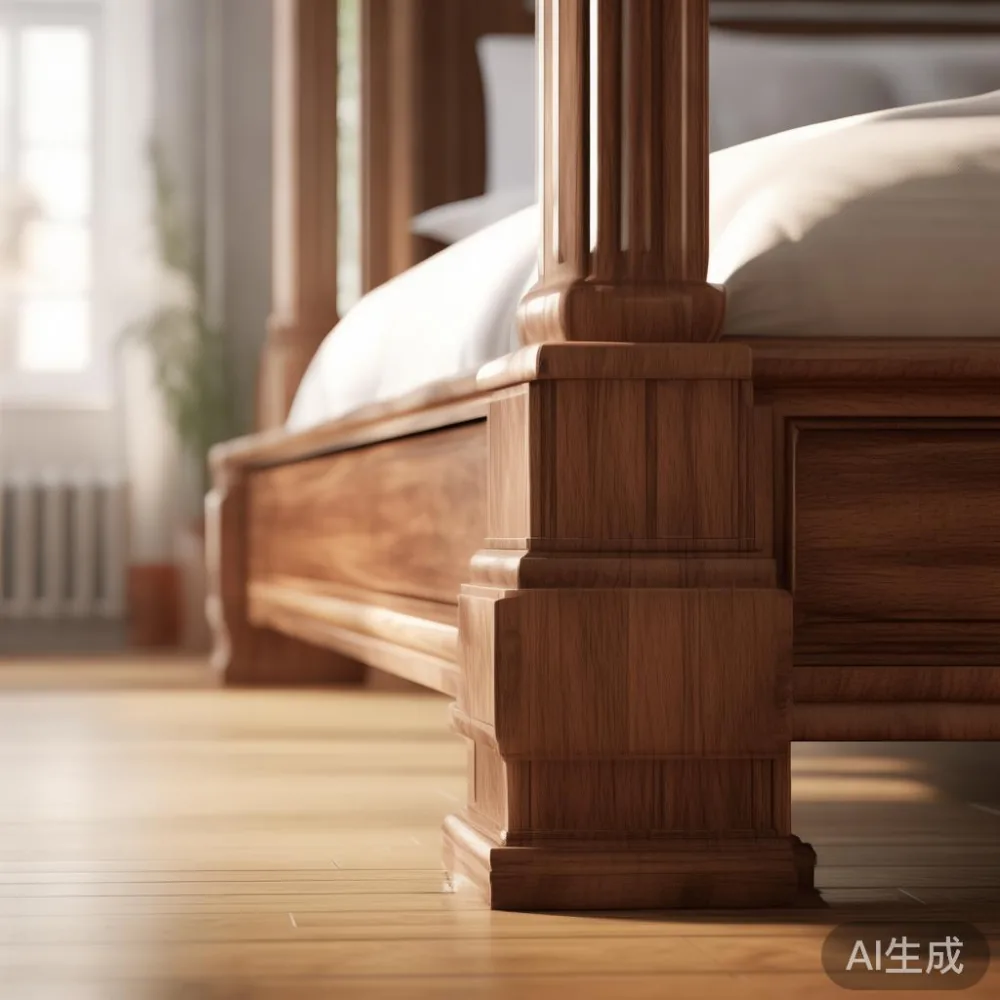
MIDHILL applies this understanding to lacquered solid wood furniture designed for real homes, not showrooms. A solid wood sofa, bed frame, dining table, wardrobe or nightstand should feel refined in daily use while remaining practical in a humid island environment. French light luxury, American light luxury and post-modern light luxury may describe different visual languages, but none excuses poor environmental discipline.
How does Singapore’s tropical climate affect lacquered furniture?
High humidity encourages wood movement, while rapid changes between outdoor heat and indoor air-conditioning can create condensation on a cooler surface. A polished lacquer may initially feel glassy and hard, but it remains sensitive to standing moisture, abrasive particles and prolonged ultraviolet exposure. The finish can dull, develop a haze or show fine scratches when dust is wiped across it with a dry cloth.
Most lacquered indoor furniture performs best around 40%–65% relative humidity, a range commonly maintained in well-run Singapore interiors. Singapore’s national humidity readings fluctuate with the monsoon, so the indoor environment matters more than the daily weather report. Keep lacquered pieces at least 15 cm from windowsills and air-conditioning vents where practical. Avoid placing a lacquered nightstand directly beneath a downlight that remains on for 8–10 hours each evening.
For larger majlis furniture, sunlight exposure should also be considered. A dining table positioned in a west-facing HDB living room can receive several hours of direct afternoon sun. Curtains or blinds with a UV filtration rating of 40+ provide a sensible buffer without making the room feel enclosed. A solid wood dining table may tolerate seasonal movement better than a lacquered surface, yet repeated heat cycles eventually weaken coatings and adhesives.
Marine environments deserve particular care. In areas close to East Coast Park or the southern coastline, airborne salt can settle on surfaces. Furniture should be wiped more frequently, but never with a soaking cloth. Salt becomes abrasive once it forms gritty deposits, so gently remove it rather than rubbing it into the lacquer.
What should I use to clean a lacquered surface?
Use a soft, lint-free microfibre cloth, preferably 20 cm × 20 cm or larger, and clean lukewarm water around 30°C. Wring the cloth until it is damp but cannot release a drip. Test it on an inconspicuous area for 24 hours, especially on a dark finish or a piece with complex grain.
Add a small amount of mild dishwashing liquid—about 1 teaspoon per 1 litre of water—if the surface is dirty. Spray the cleaner onto the cloth rather than directly onto the furniture. This reduces the chance of liquid entering joints, edge banding or a lacquered marble table’s stone insert.
Never use abrasive pads, wire wool, scouring powder, alcohol, acetone, ammonia, bleach, silicone polish or “spray-and-wipe” products containing strong solvents. Some household cleaners can soften polyurethane or nitrocellulose lacquer in only 10–15 minutes. Avoid furniture polish unless the product label explicitly states that it is safe for lacquer and does not leave an oily film.
After cleaning, remove excess moisture with a second dry microfibre cloth. Buff lightly with the grain of the wood until no damp marks remain. Although a lacquered solid wood sofa or bed frame may not be wiped every day, a marble table should not be treated with wood polish; that could leave a slippery or uneven film on the stone.
For routine dusting, a dry cloth may be sufficient for 7 days. In dusty renovation periods, use a lightly damp cloth every 2–3 days. If several people use a majlis dining set daily, clean the tabletop at least once a week and promptly wipe away rings, sauces and fingerprints.
How can I remove fingerprints, stains and small scratches?
Fingerprints on lacquer usually disappear with a clean microfibre cloth and a trace of mild cleaner. Blot liquids immediately rather than scrubbing them. A water ring should be addressed within 24 hours because the longer it remains, the more likely it is to become a dull patch.
For minor marks, start with a clean white melamine foam pad and move in straight, gentle strokes. Use the pad only if the lacquer is sound and the mark is genuinely on the surface; excessive rubbing can create a pale abraded area that is harder to repair. An inconspicuous test for 5 minutes is advisable before trying a wider section.
Small scratches sometimes respond to a lacquer-safe repair crayon or touch-up kit matched to the sheen. Deep gouges, lifting lacquer, blistering or white water marks normally require professional assessment. Attempting to sand a dining table, wardrobe or nightstand at home can expose raw timber and remove the factory’s protective layers.
Place felt pads beneath decorative objects and coasters beneath cups. A ring left by a metal can for 1 hour may be difficult to lift; a cork coaster prevents the issue at negligible cost. Felt pads should be replaced every 6–12 months and should not cover ventilation gaps in cabinets.
Can a lacquered solid wood sofa survive a humid HDB flat?
Yes, with sensible placement and maintenance. A solid wood sofa should be kept approximately 30 cm away from an exterior wall in a typical Singapore HDB flat, particularly during the monsoon months. This reduces condensation risk while preserving circulation behind the frame. Avoid placing the sofa directly below a window that opens during heavy rain.
For residents comparing European sofa vs Mid-century modern sofa options, consider the frame, seat construction and finish separately. European designs often use more restrained profiles, while Mid-century pieces commonly display tapered legs and wider visual proportions. Whatever the style, ask for lacquer-specific care instructions and confirm that all internal timber is properly seasoned for tropical conditions.
Buyers searching for the best European light luxury sofa for 2026 should examine how the finish will be maintained, not merely how it appears in a showroom. In a compact condominium, pale upholstery and a lightly reflective lacquer can visually expand the room, yet pale finishes reveal dust and greasy handprints more readily. Dark timber may hide small marks but can show fine dust in changing light.
Upholstery needs a different routine from the lacquered shell. Vacuum the sofa every 1–2 weeks with a soft brush attachment and remove cushions to clean trapped areas. Keep leather or performance fabric away from direct sunlight for at least 4–6 hours per day. If the sofa sits near the main entrance in a Punggol home, wipe dust from the lacquered arms and base every 2 weeks.
How should I care for a lacquered bed frame, wardrobe and dining table?
A lacquered bed frame should be positioned away from an open window and inspected twice a year for movement at the joints. In humid conditions, allow the frame to acclimatise to the bedroom for 48–72 hours before tightening any newly settled fittings. Check that ventilation is not completely blocked beneath the bed; a gap of at least 10–15 cm helps moisture evaporate.
For a lacquered wardrobe, wipe the exterior monthly and the interior every 3 months. Use a soft brush along the top edge, where dust collects. Do not hang damp clothing inside it and keep the doors ajar for 30 minutes after a shower-heavy day if condensation has entered the room.
A lacquered dining table needs the most frequent attention. Wipe it after meals and clean it weekly. Use trivets with a heat resistance of at least 80°C beneath hot cookware, and do not place chilled glass vessels directly on a warm surface. In a condo kitchen-dining area, keep at least 60 cm from the cooking zone where possible, especially when steam is heavy.
For a lacquered marble table, use pH-neutral stone cleaner rather than lemon juice, vinegar or general-purpose furniture spray. Although acid can etch marble, dirty cloths can also scratch its polished face. Dry the surface after every use, and have the lacquer around the stone periodically checked for lifting.
Can furniture be moved without damaging the lacquer?
Protect the route before moving a large piece. Check lift-car dimensions in the relevant block, but not only the published cabin size: mirrors, handrails and turning space can reduce usable clearance. A standard HDB lift may allow a floor-to-floor doorway width of roughly 80–90 cm, while apartment entrance doors commonly measure 85–90 cm. Measure the actual furniture at its widest point, including feet and handles.
Wrap lacquered parts in a breathable blanket or moving pad and secure it with soft straps. Do not use adhesive tape directly on the finish; tape can pull away lacquer when removed. Carry or roll the item on a padded furniture dolly rated for at least 100 kg, and assign at least 2 people to pieces over 60 kg.
Before delivery, check whether the lift reservation process or building management requires a specific time slot. For larger orders across Singapore, MIDHILL’s delivery arrangements should be confirmed in writing, including the access details, floor and expected day.
How often should lacquered furniture be refinished?
Inspect high-touch pieces every 6 months and less frequently used items once a year. Look for changes in sheen, lifting edges, cloudiness, scratches that catch a fingernail and joints with visible gaps. Lacquer that is merely dull may need only a careful clean; lacquer that has separated from the timber needs a proper surface treatment.
MIDHILL’s 10-year structural warranty covers eligible structural issues, while its lifetime refinishing service provides a long-term route for restoring furniture that has been cared for and remains structurally sound. Warranty and refinishing terms should always be read with the product’s specific conditions and Singapore consumer requirements in mind.
For an interior-design project, coordinate care instructions early. A wardrobe, bed frame, dining table and nightstand should all be positioned with Singapore’s heat and humidity in mind. The same applies when evaluating designer Modern light luxury furniture or searching for for sale Scandinavian furniture in Singapore: samples, material details and aftercare support are more useful than a trend label alone.
If you are also considering french sofas for sale, inspect the lacquer under neutral daylight and warm indoor lighting. Ask for the finish type, expected care products and repair response time. MIDHILL’s position as a Foshan Lingzhan solid wood furniture maker with export experience across 15+ countries gives useful manufacturing knowledge, but the local delivery promise remains equally important.
What is the simplest care routine for a Singapore home?
Use a 10-minute weekly ritual: wipe accessible lacquer with a clean microfibre cloth, remove marks immediately, check beneath coasters and look at areas near windows. Once a month, clean reachable edges and corners with a lightly damp cloth. Every 6 months, inspect joints, lifting lacquer and colour changes.
Control the environment where you can. Keep furniture 15 cm from windowsills, maintain indoor humidity near 50–60% where possible and use blinds during intense afternoon sun. Do not place lacquered majlis furniture against damp exterior walls or directly beside frequently opened windows.
For returns, Singapore shoppers should note the stated 14-day return period and confirm condition requirements before accepting delivery. Orders above US$350 qualify for free shipping under MIDHILL’s published policy, while selected products and delivery destinations may carry different terms. Prices shown in SGD should always be confirmed at purchase because taxes, delivery charges and promotions can change.
The objective is not to make lacquered furniture fussy. It is to protect a tactile finish, maintain the grain of solid timber and preserve the calm character of majlis furniture for everyday family life. With consistent cleaning, careful placement and timely professional attention, a lacquered solid wood sofa, bed frame, dining table, wardrobe, nightstand or marble table can continue to look composed in Tampines, Bedok, Punggol and beyond—even under Singapore’s demanding tropical conditions.