How Humidity in Southeast Asia Affects Wood Majlis Furniture — A Practical Guide for Singapore Homes
I keep a small digital hygrometer clipped to the inside of my wardrobe door, and on a wet afternoon last month in Tampines the dial read 84%. The same morning in Punggol, my colleague watched his newly delivered American country rubberwood bed frame develop a faint warp along the headboard within six weeks. That single observation is the starting point for everything that follows, because humidity is the silent variable behind almost every complaint Singapore homeowners raise about solid wood majlis furniture — cracked panels, sticky drawers, musty smells, wobbly chairs, and dining tables that seem to "breathe" through the seasons.
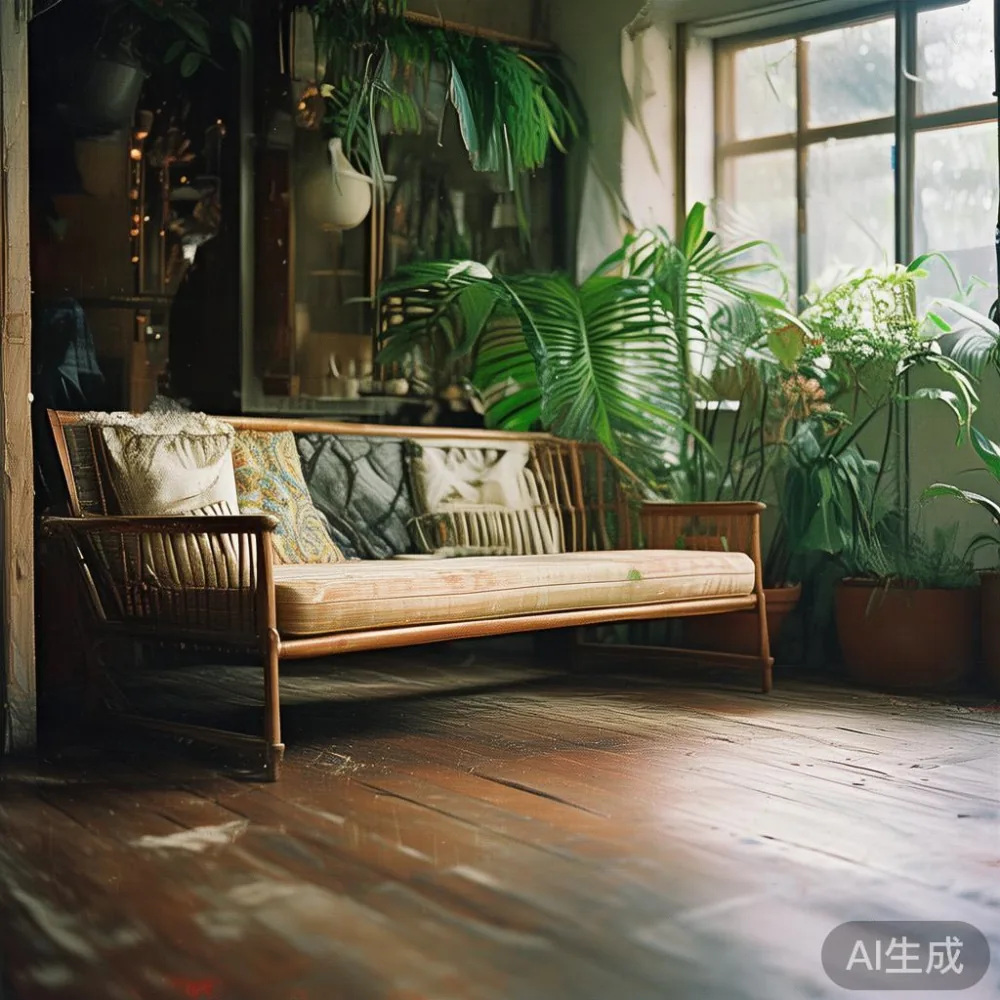
MIDHILL has been shaping, kiln-drying, and finishing solid wood in Foshan since 2008, shipping majlis seating, dining tables, wardrobes, and bed frames into more than fifteen countries. Singapore is one of the tougher destinations on that list. Equatorial heat, monsoon humidity, and air-conditioned interiors create a daily swing that few other markets match. The guide below explains what is actually happening inside the wood, what numbers matter, and how a careful buyer can protect an investment that often runs from SGD 1,800 for a four-piece majlis set to SGD 6,500 for a full dining-plus-majlis package.
Why Singapore's Climate Is So Hard on Solid Wood
Singapore sits roughly one degree north of the equator. Average daytime relative humidity hovers between 70% and 85% for most of the year, and night-time readings in a non-air-conditioned HDB corridor can climb above 90% during the December to early March monsoon phase and again during the June to September southwest monsoon. Outside air in Bedok or Sengkang regularly carries 22 to 28 grams of water vapour per cubic metre. When that air enters a flat and meets a surface cooled by a 24°C air-conditioner, the dew-point gap narrows and moisture migrates straight into the wood.
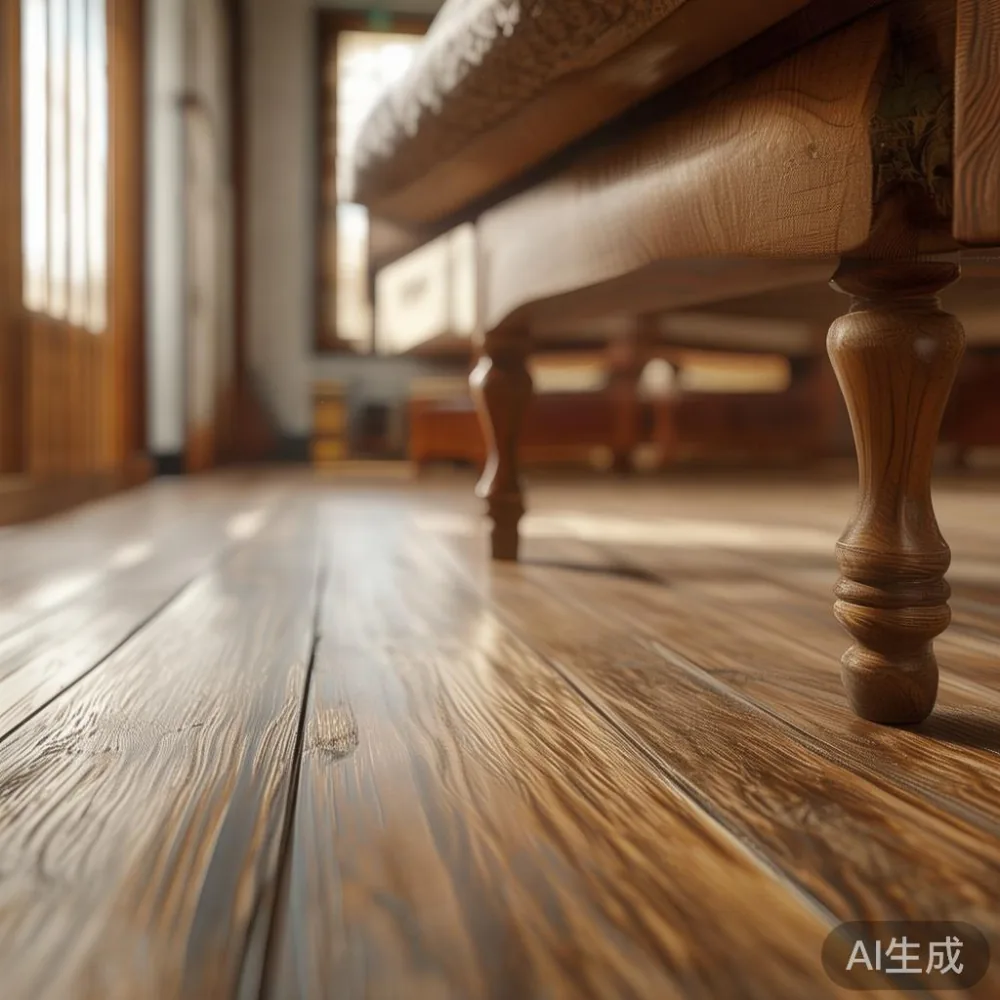
Solid wood moves in response to that moisture. A 200 cm dining tabletop made from rubberwood, ash, or white oak will expand or contract by roughly 4 to 8 mm across its width when humidity shifts from 40% to 80%. That movement is normal physics, but it becomes a problem when the table was built for a dry climate, dried only to 8% moisture content, and then dropped into a HDB flat where the surrounding air is closer to 14% to 16% equilibrium moisture content. The fibres absorb water unevenly, and the result is cupping along the planks, hairline checks at the end grain, or a drawer that swelled shut.
What "Kiln-Dried to Singapore Spec" Actually Means
MIDHILL kiln-dries solid wood components to a target of 10% to 12% moisture content before assembly, which is the bracket most factories serving Singapore aim for. Lower than 10% and the wood shrinks dramatically once it reaches a humid flat; higher than 13% and you invite mould inside closed wardrobes and bed-frame cavities. The factory measures this with pin-type moisture meters at three points on every board, and the readings are recorded against the batch number.
When a majlis set is loaded into a 40-foot container for the voyage from Foshan to Singapore, the container itself becomes a climate chamber. Sea freight from Yantian to PSA typically takes 7 to 10 days, and the container can see internal humidity between 60% and 95% depending on the route. A reputable exporter uses desiccant bags (usually 8 to 12 kg of clay-based absorbent per container) and breathable cardboard liners on flat-packed cartons so the wood can equalise slowly instead of being shocked by Singapore air the moment the carton is opened at your corridor.
The Numbers That Matter Inside Your Flat
Two measurements deserve a permanent place in your routine: ambient relative humidity (RH) and the wood's surface moisture reading. A SGD 25 thermo-hygrometer from a Tampines Mall electronics shop is enough. Try to keep your living room between 45% and 60% RH, and never let the bedroom drop below 40% during a dry spell in February when the daily minimum can fall to 23°C.
For furniture placed directly against an external wall — common in older HDB flats in Toa Payoh or Ang Mo Kio — the surface temperature of that wall can be 3°C to 5°C cooler than the rest of the room, which pushes local humidity above 75% and is the single biggest reason I see black mildew rings behind wardrobes. A 10 mm air gap behind the piece, created with simple rubber wall spacers sold at any neighbourhood hardware store, drops that risk dramatically.
Real-World Symptoms I Have Seen on the Ground
Last month I visited a three-room HDB flat in Punggol where the owner had placed a French light luxury style majlis sofa with ash-veneer panels against a north-facing wall. After eight months, two of the rear panels had cupped by roughly 2 mm and the central armrest showed a 1.5 mm gap at the mitre joint. The flat was kept at 26°C with RH between 55% and 65%. The issue was not bad workmanship — it was a missing 20 mm spacer behind the unit, which had trapped humid air against the back panel.
In another unit in Bedok, a four-seat post-modern light luxury dining table with a marble inlay had developed a hairline crack along one apron. The owner ran the air-conditioner at 22°C for eight hours a day while the family was at work, then switched it off. The resulting 12% RH swing was too aggressive for the rubberwood substrate beneath the marble table top. A simple fix — leaving the air-conditioner on dry mode at 26°C while away — kept the next batch of measurements between 50% and 60% RH and stopped the cracking.
Is Japandi Sectional Sofa Furniture Worth It?
Yes — a properly built Japandi sectional sofa is one of the best-performing furniture formats for Singapore homes, because its low-profile solid wood frame, raised legs, and breathable linen-cotton blend covers give the wood room to breathe and let conditioned air circulate underneath. The format works particularly well in compact HDB living rooms in Punggol and Sengkang where a 240 cm × 180 cm L-shape seats five adults without crowding a 1.2 m walkway, and the clean lines pair naturally with majlis furniture pieces such as a low walnut sideboard or a Japanese-influenced nightstand. Look for frames built with mortise-and-tenon joinery, kiln-dried rubberwood at 10% to 12% moisture content, and seat cushions wrapped in removable, washable covers rated to 30,000 Martindale rubs. A well-specified Japandi sectional in Singapore retail runs from SGD 3,200 for a two-seater to SGD 7,800 for a five-seater with chaise, and the same construction logic that protects it against humidity will protect every other majlis piece in the room.
Material Choices That Behave Better in the Tropics
Not every species copes equally. Rubberwood, which is the FSC-certified byproduct of Hevea plantations in Malaysia and Thailand, is the workhorse of mid-range majlis furniture because it is dimensionally stable, takes finish evenly, and is priced accessibly for the SGD 1,800 to SGD 4,500 bracket that most Singapore buyers target. White oak is stiffer and more expensive, usually adding 25% to 40% to the retail price, but its tight grain resists surface checking. Ash behaves much like oak but machines cleaner, which is why you see it on French light luxury style bed frames. Teak and Burmese rosewood are the traditional choice for high-end majlis seating in regional homes, yet both are now subject to CITES controls and significantly raise the landed cost.
For bedroom pieces such as a wardrobe or a king-size bed frame, ask whether the internal panels are made from the same solid wood as the exterior or from engineered ply. Engineered panels are actually more stable in a humid climate because the cross-laid veneers cancel out most of the seasonal movement, and they are standard practice in any well-built MIDHILL wardrobe above 180 cm tall.
Delivery, Lifts, and Corridors — The Hidden Logistics
Singapore delivery is its own science. A standard HDB lift door measures roughly 2.1 m high by 0.9 m wide, with an internal cabin depth of about 1.4 m. A flat-packed king-size bed frame in its longest carton often comes in at 2.15 m, which means the delivery team has to either stand it on end or remove the door stoppers to tilt the box in. Many newer condos in Punggol and Tengah have wider cargo lifts at 1.2 m wide and 2.4 m deep, but loading bay access still requires a 30-minute booking through the management office, so allow an extra hour on delivery day.
MIDHILL coordinates with Singapore-based logistics partners who book the lift slot, arrive in a 3-tonne lorry with a tailgate lift, and bring two delivery specialists as standard. For orders over SGD 350 shipped anywhere on the main island, delivery is included in the quoted price; orders below that threshold attract a SGD 45 small-order fee. The team also handles the GST submission under the overseas-vendor regime, so the price you see at checkout already includes the 9% GST that took effect on 1 January 2024. Most deliveries to the East region (Tampines, Pasir Ris, Bedok) arrive 18 to 25 days after the Foshan factory releases the container; West and Central addresses are usually 22 to 30 days.
How to Read a 10-Year Structural Warranty Honestly
A 10-year structural warranty is meaningful only if it covers the joints, not just the finish. The finish will need refreshing in 5 to 8 years under Singapore conditions — that is normal for any solid wood sofa, dining table, or wardrobe exposed to tropical air. What should remain intact for a decade is the mortise-and-tenon on a majlis chair leg, the dovetail on a nightstand drawer, and the dowel-and-glue assembly of a 200 cm dining table. Ask the supplier for the warranty document in writing before paying the deposit, and check whether it covers warping above 3 mm, joint separation, and mould inside closed cabinets.
Pair that warranty with a lifetime refinishing service, which is genuinely useful in this climate. A light sanding, a fresh coat of water-based matte lacquer, and new felt pads every six to seven years will reset the surface and extend the life of a solid wood majlis set well beyond the warranty window. MIDHILL offers this as a paid service through its Singapore partner workshop, with turnaround of 14 to 21 working days depending on the queue.
A 14-Day Routine That Actually Works
Singapore law gives you 14 days to return a piece of furniture for any reason under the Consumer Protection (Fair Trading) Act, provided it is in original condition. Beyond that window, the maintenance routine is short but strict. Wipe every solid wood surface once a week with a barely damp microfibre cloth — never a dripping one — and follow immediately with a dry cloth. Condition the wood every three months with a thin coat of beeswax or a dedicated rubberwood conditioner; a 250 ml tin costs SGD 18 to SGD 28 and covers a six-seat dining table twice.
Rotate the cushions on your majlis sofa every fortnight so the fill recovers evenly, and pull the sofa 5 cm away from the wall once a month to let the back panel breathe. For your bed frame, vacuum the inside of the storage drawer every three months to clear the dust that tropical air deposits, and check that the slats have not shifted. For a marble table, use a pH-neutral cleaner only; vinegar and citrus will etch the polish within months. Keep coasters under hot cookware on dining tables, and you will avoid the white heat rings that no amount of refinishing will hide.
Frequently Asked Questions From Singapore Buyers
Will my majlis furniture arrive with a smell? A faint factory smell is normal and fades within 5 to 7 days in an air-conditioned room. If the carton carries a strong chemical or sour note, open it on the corridor before bringing it inside, because that usually means the container breathed in humid sea air and the MDF packaging inserts absorbed it. Solid wood itself should not smell off.
Is air-conditioning enough to protect the wood? Running a split-unit at 24°C to 26°C with the dry mode active keeps the room between 50% and 60% RH, which is the ideal range for solid wood. Avoid setting the unit below 22°C, because the bigger the gap between indoor and outdoor humidity, the more stress you put on every joint in the room.
How do I claim the lifetime refinishing service? Photograph the piece, send the batch number on the underside of the table or inside the wardrobe door, and request a quote through the MIDHILL Singapore service portal. The team usually arranges a site visit within 5 working days for addresses on the main island.
Buying With Confidence in a Humid Market
Humidity is not a reason to avoid solid wood majlis furniture; it is a reason to buy more carefully. Pick a supplier who kiln-dries to the 10% to 12% bracket, specifies engineered back panels for wardrobes and dining tables, uses mortise-and-tenon joinery on chairs and bed frames, and offers both a written 10-year structural warranty and a paid refinishing path. Confirm the delivery terms in writing, including GST, lift booking, and the 14-day return window. Then set up a SGD 25 hygrometer, keep the room between 50% and 60% RH, and give each piece 5 cm of breathing space from the wall.
Done well, a solid wood majlis set, a king-size bed frame, a six-seat dining table, a tall wardrobe, a pair of nightstands, and a marble-topped console will outlast two lease cycles and still look like the day they were delivered. That is the promise of solid wood in a tropical climate — not magic, just disciplined sourcing, honest specification, and a few minutes of care every week.