Blending Furniture with Warm Minimalism: Tips for Singapore Homes
I spent most of last month touring showrooms across Tampines and Bedok, photographing lift cabins, and measuring corridor turns with a 2 m spirit level taped to my backpack. The reason was selfish: my own 4-room HDB in Punggol was crying out for a warm minimal refresh, and I wanted to know, on the record, what actually fits through a typical Singapore corridor and into a service lift without a scratch. What I found turned into this guide. If you are furnishing a compact flat and leaning toward warm minimal aesthetics, the rules below will save you weeks of guesswork and a couple of scratched door frames.
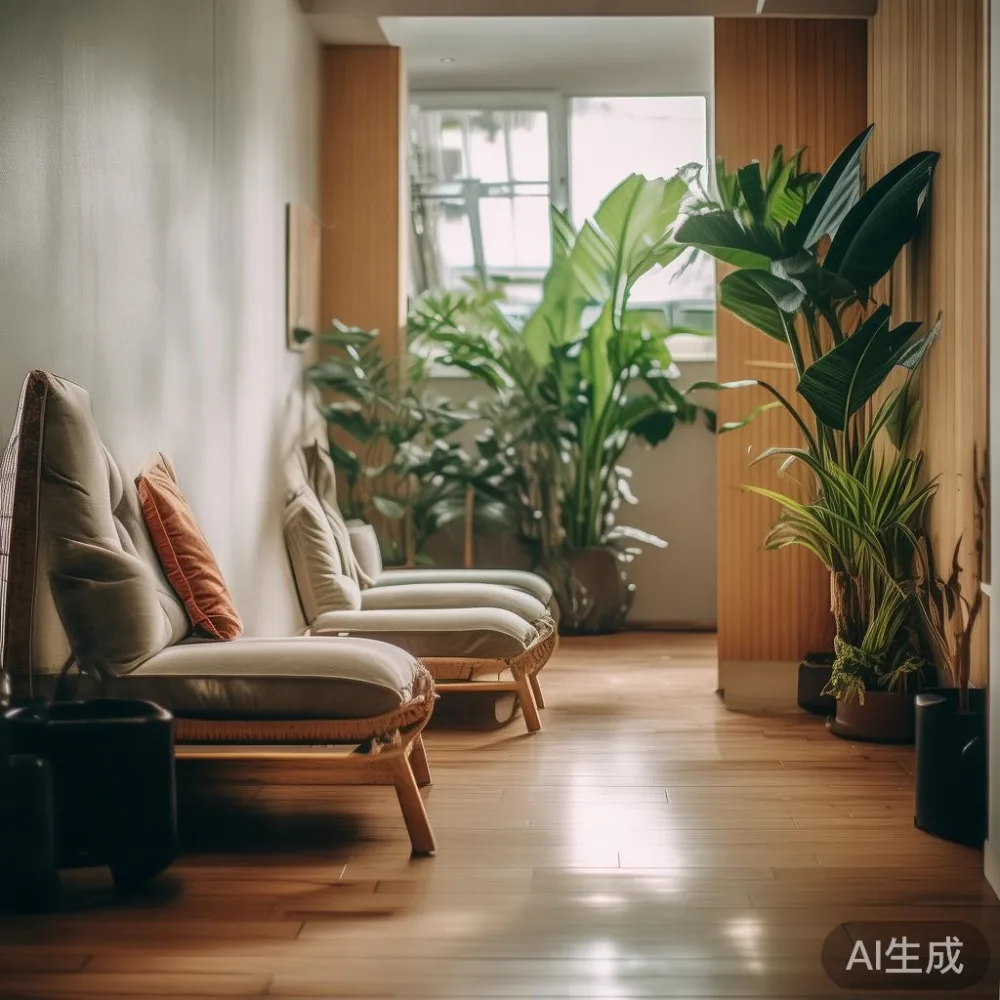
Warm minimal is not cold Scandi, and it is not the rustic-heavy look some call majlis furniture. It is a softer, light-luxury register that reads calm but still carries visible craftsmanship. Think a French light luxury sensibility (slim brass pulls, oak with a hint of patina, restrained curves) layered onto American light luxury silhouettes (deep seat sofas, generous dining tables, honest upholstery). The trick is keeping the palette tight so the room feels curated.
What does "warm minimal" actually mean in a Singapore HDB?
Warm minimal is a 60/30/10 split: 60% of the room in soft, low-saturation tones (oak, ash, linen, putty), 30% in deeper warm anchors (walnut, caramel leather, brushed brass), and 10% in a single accent (a rust cushion, a travertine bowl, a small marble table). The accent is what stops the room from sliding into show-flat sterility. The base is white for visibility, because Singapore condos in estates such as Tampines and Punggol often sit at 2.6-2.8 m floor-to-ceiling, and pale walls bounce light from corridor windows into the inner rooms.
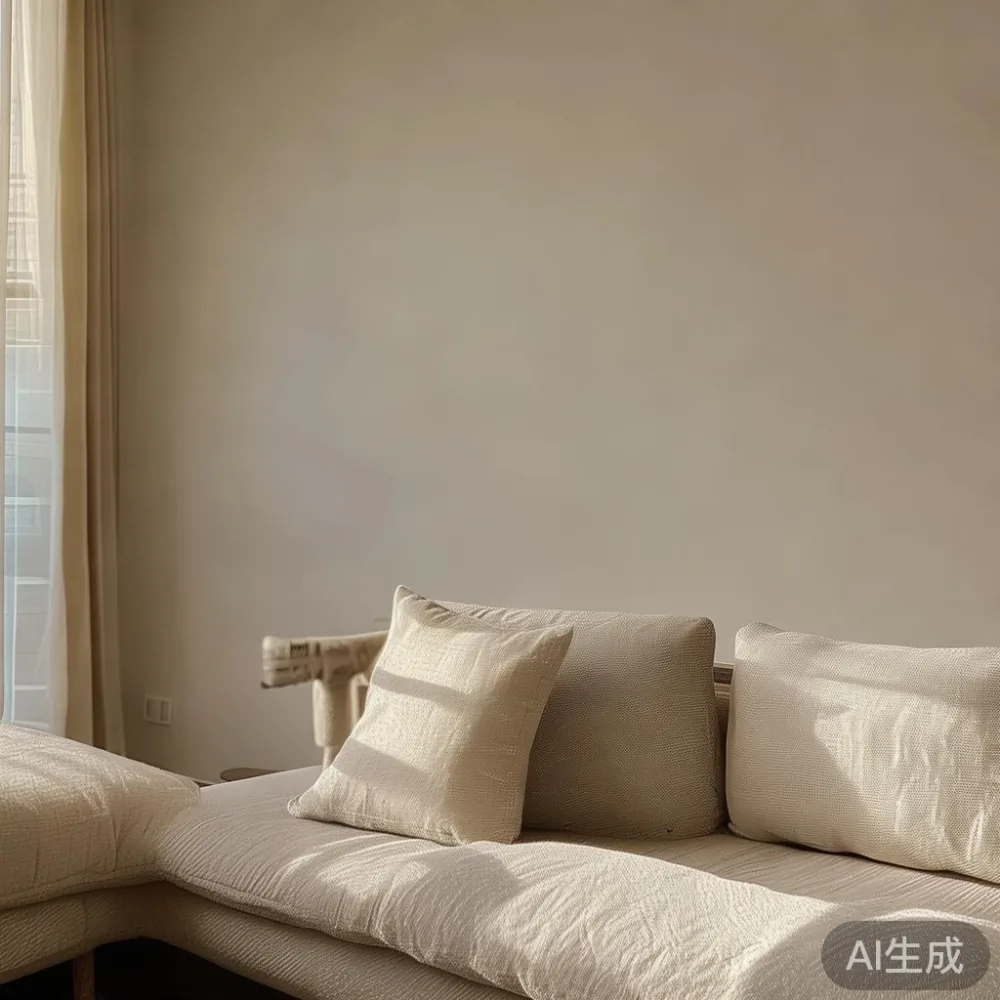
For flooring, a 190 mm wide engineered oak plank in a honey tone works in both BTOs and resale flats. Avoid grey-washed boards; they fight the warm register and read cold under fluorescent kitchen LEDs. If your flat still has the original 300 x 300 mm ceramic tiles in beige, a 9 mm wool rug in ivory with a thin charcoal border will disguise them without ripping anything up.
Which furniture pieces anchor a warm minimal living room?
Anchor with three pieces, no more: a solid wood sofa, a low media console, and one occasional chair. Anything beyond three starts to feel busy. A solid wood sofa in white oak with a 92 cm seat depth and 45-density foam wrapped in a down-proof cambric ticking will outlast a flat-packed frame by a decade. Look for a frame width between 220-260 cm for a standard 4-room HDB living area of roughly 18-22 sqm, leaving 80-90 cm of walking corridor behind the sofa to the TV wall.
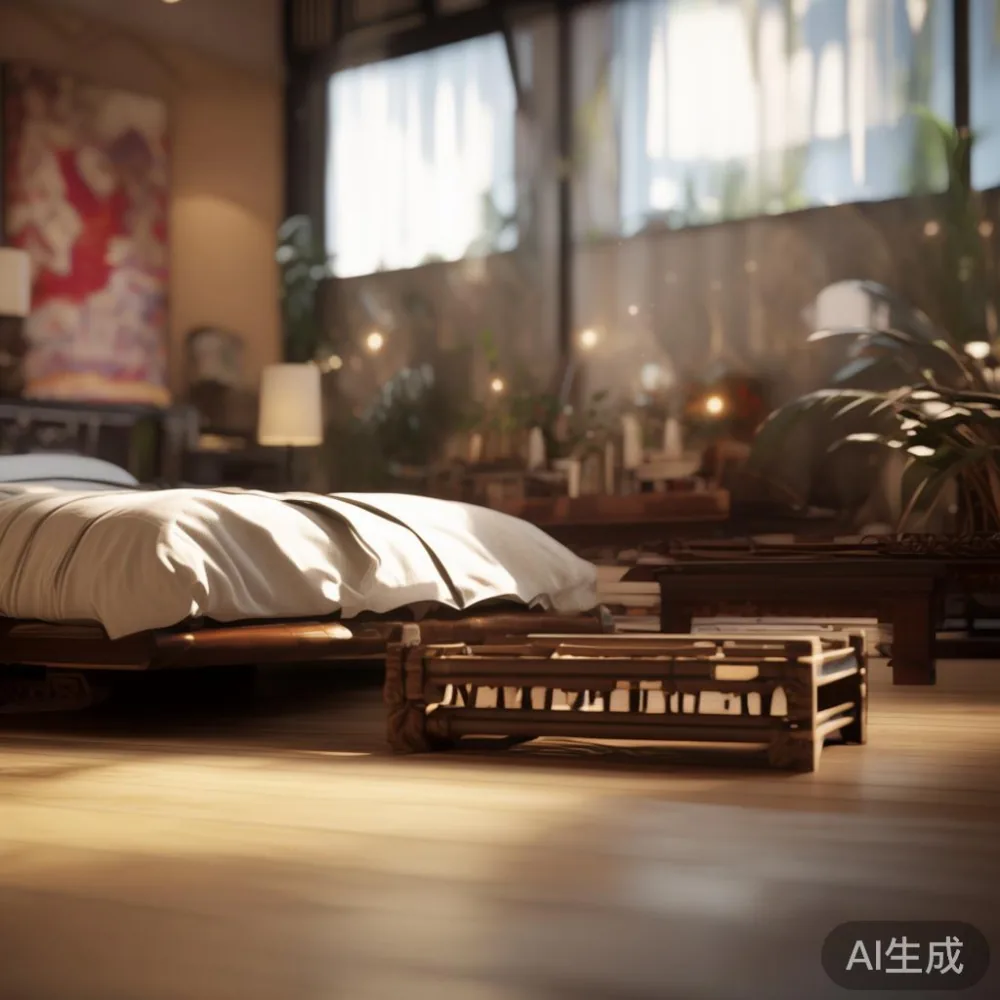
Skip the glass-and-chrome coffee table. A 120 x 60 cm travertine or warm marble table at 35 cm height reads lighter than it is and ties brass accents together. If your budget allows, MIDHILL builds a walnut coffee table in this exact footprint with chamfered edges, which matters when you have a 18-month-old learning to walk. Pair the table with one accent chair in caramel saddle leather and a boucle floor cushion for guests.
Keep the media wall below 180 cm wide. Larger consoles dwarf a 3.2 m HDB living wall and leave awkward negative space above. Cable management should run through a single 60 mm floor trunking in a colour matched to the skirting, not through visible plastic conduits.
How do I choose a dining table that fits the lift and the room?
Measure the service lift door in your block before you fall in love with anything. Most service lifts in newer BTOs are 1.1 m wide and 2.1 m tall; older lifts in Bedok and Tampines blocks can be as narrow as 0.9 m wide. A 6-seater dining table at 180 x 90 cm will only fit if the longest panel can be removed. Insist on a table that splits into two halves under 90 cm wide, or that ships flat-packed with legs detached. A solid wood dining table in ash or walnut at 160 x 80 cm seats six comfortably, fits every service lift in Singapore, and leaves 70 cm of pull-back space per chair on a 3 m dining wall.
For chairs, go backless or low-back to keep sightlines open from the kitchen. A low-back ash chair at 82 cm seat height pairs with a 75 cm table top, which is standard Asian dining height and saves your shoulders compared to Western 90 cm tables. Budget roughly SGD 1,800-2,800 for a solid wood dining table set from a Foshan direct supplier, including GST and landed delivery.
If your dining area doubles as a work surface, choose an oval top at 150 x 80 cm. The curved edge forgives tight turning radii in a 2.4 m wide HDB dining corner and removes the bruised-hip risk that rectangular corners create on a busy weekday morning.
What about the bedroom: bed frame, nightstands, and wardrobes?
The bedroom is where warm minimal can slide into monastic fastness. Resist that pull. A space saving king bed for bedroom in a king layout at 158 x 198 cm needs at least a 3.6 m wall to breathe, and most HDB master bedrooms in Torquand. Sorry, in Punggol and Sengkang measure between 3.4-3.8 m. Measure before you buy. A queen at 152 x 188 cm fits a 3.2 m wall and still leaves 60 cm of side clearance, which is the minimum for making a bed without bumping the nightstand.
Choose a bed frame in solid ash or white oak with a 12 cm high upholstered panel in oat linen. The low profile at 105 cm total height keeps the ceiling line visible, which matters in a 2.7 m HDB ceiling. Skip storage drawers if your block sits on a podium with limited under-floor clearance; opt for a hydraulic lift instead, which adds roughly SGD 350-450 to the bed frame but gives you 28 cm of under-mattress storage for out-of-season linens.
For nightstands, match the bed wood but vary the height by 1-2 cm so the pair reads as a curated set rather than a bulk buy. A 50 x 40 x 50 cm nightstand with a single soft-close drawer and a brass knob is enough surface area for a 7-inch ring light, a phone, and a glass of water. Two of them run around SGD 480-680 landed from a direct-from-Foshan workshop, which is roughly half of what a mid-range local retailer charges for a comparable pair.
Wardrobes are the most expensive line item and the easiest to overbuild. For a 2.4 m HDB bedroom wall, a 3-door sliding wardrobe in white oak veneer with one mirrored panel runs SGD 240-420 per running foot from a Foshan workshop, fully installed, GST included. Add a 6 cm plinth recess for LED strip lighting and a 12 cm top soffit to hide the roller track. Avoid mirrored panels on all three doors; one mirror is plenty, and three mirrors in a small room make the bed look like it floats in a funhouse house.
Where can I buy a king bed in Singapore?
You can buy a king bed in Singapore through three channels: local furniture retailers in Tai Seng, Bedok, or Sungei Kadut, direct-from-Foshan workshops that ship landed with GST included, and online platforms such as Carousell, Lazada, and Shopee from local resellers. A direct-from-Foshan workshop such as MIDHILL builds a solid wood king bed frame for roughly SGD 1,450-2,200 landed, including a 10-year structural warranty and free shipping over US$350 (about SGD 475), with delivery to your door in 18-25 working days and white-glove installation included on orders above SGD 1,800.
Local retailers typically price the same specification at SGD 2,800-4,200 because of showroom overheads and agent commissions, though they offer same-week delivery and the convenience of viewing the bed in person. Online resellers run cheaper but rarely offer structural warranties beyond six months and rarely service warranty claims. For a piece you will sleep on for 10-15 years, the middle option is usually the best balance of price, warranty, and quality control. Ask any workshop for a factory video, kiln-dry certificates, and a sample of the finished wood in your hand before you wire a 50% deposit.
How do I keep warm minimal from looking flat?
Layer three textures in every room: one hard (wood, stone, ceramic), one soft (linen, boucle, wool), and one reflective (brushed brass, antique mirror, a small marble table). The hard gives weight, the soft absorbs sound (important in HDBs with thin slabs), and the reflective doubles the warm light from your floor lamp. A travertine bowl on the dining table, a boucle cushion on the sofa, and a brass picture light over a single 60 x 80 cm linen print will do more for a room than a SGD 4,000 feature chandelier.
Lighting is the second most common failure after colour temperature. Singapore HDBs ship with 4000 K cool white downlights, which fight warm minimal at every turn. Swap to 2700 K warm white and floor stay on GLS-compatible LEDs at 7-9 W per fixture. Add one plug-in picture light, one table lamp at 35 cm height, and one floor lamp with a 45 cm drum shade in oat linen. That is five sources for a 16 sqm living room, which is the minimum for removing a single layer of harsh shadow.
Plants help, but use restraint. A single 1.6 m fiddle leaf fig in a 35 cm terracotta pot, or three smaller pots on the dining credenza, not both. Over-planting is the fast lane to jungle minimal, which is a different article.
What should I budget for a full warm minimal HDB fit-out?
For a standard 4-room HDB of 92 sqm, a warm minimal fit-out from a direct-from-Foshan workshop lands between SGD 14,000-22,000 fully furnished, including a solid wood sofa, dining table set, king bed frame, two nightstands, a 3-door wardrobe, a media console, a coffee table, and dining chairs. The same specification from a local retailer runs SGD 28,000-42,000. Add 8% GST to all figures, plus SGD 350-650 for lift access fees if your block charges them for large deliveries.
Allow SGD 1,200-1,800 for soft furnishings (rugs, curtains, cushions, bed linen), SGD 600-900 for lighting swaps, and SGD 400-700 for paint, skirting, and minor carpentry. Keep a 12% contingency for the inevitable hinge wall mistake and the chair that arrives one week short. Order the bed and wardrobe first because they have the longest lead times of 18-25 working days; order the sofa second at 12-18 days; and order soft furnishings last so you can match fabrics to the finished wood tones.
One more local note: most HDB corridors in older blocks such as Bedok Reservoir and Tampines GreenRidges are 1.2 m wide, which fits a 1.1 m service lift door. Measure your corridor corner before ordering anything longer than 1.8 m, and ask the workshop to confirm the longest single panel measurement before shipping. A 2 m wardrobe door that does not turn a 90-degree corner will sit in your corridor for a week, and your neighbours will remember.
Where does majlis furniture fit into a warm minimal HDB?
Majlis furniture, the low-seated, deep-cushioned, hand-built solid wood tradition from the Gulf and wider Middle East, has more in common with warm minimal than the category is usually given credit for. The joinery is honest, the wood is solid (typically sheesham, mango, or white oak), and the silhouettes are low and grounded. A majlis-style solid wood sofa at 85 cm seat depth and a 40 cm seat height reads as furniture rather than decor, which is exactly what warm minimal needs. The legs are turned or tapered, the cushions are removable, and the frames are built to be refinished rather than replaced. MIDHILL ships a majlis sofa range to Singapore with lifetime refinishing included, which means a SGD 1,800 sofa in 2025 can look new again in 2035 for the cost of a SGD 180 refinish.
Use one majlis piece per room, not a full majlis room. A majlis armchair in the bedroom corner, a majlis bench at the foot of the bed, or a majlis-style dining bench along one side of the dining table introduces the joinery language without committing the whole flat to a regional aesthetic. The result is a Singapore HDB that reads warm, minimal, and a little bit considered, which is the whole point of the exercise.