Singapore Furniture Warranty: Understand it to Avoid Mistakes
I spent a wet Saturday in Tampines last month comparing three wardrobes at three showrooms — and the piece that varied the most between them wasn't the wood, the joinery, or even the price. It was the warranty. One page was longer than the other two combined. One was a single dense paragraph. The third was the kind of form you'd happily sign in 20 seconds, which is exactly when you should slow down. After that afternoon I went home and pulled apart what each one actually said, line by line. Here's what I wish someone had told me before I started shopping for a solid wood sofa, a dining table, and a new bed frame.
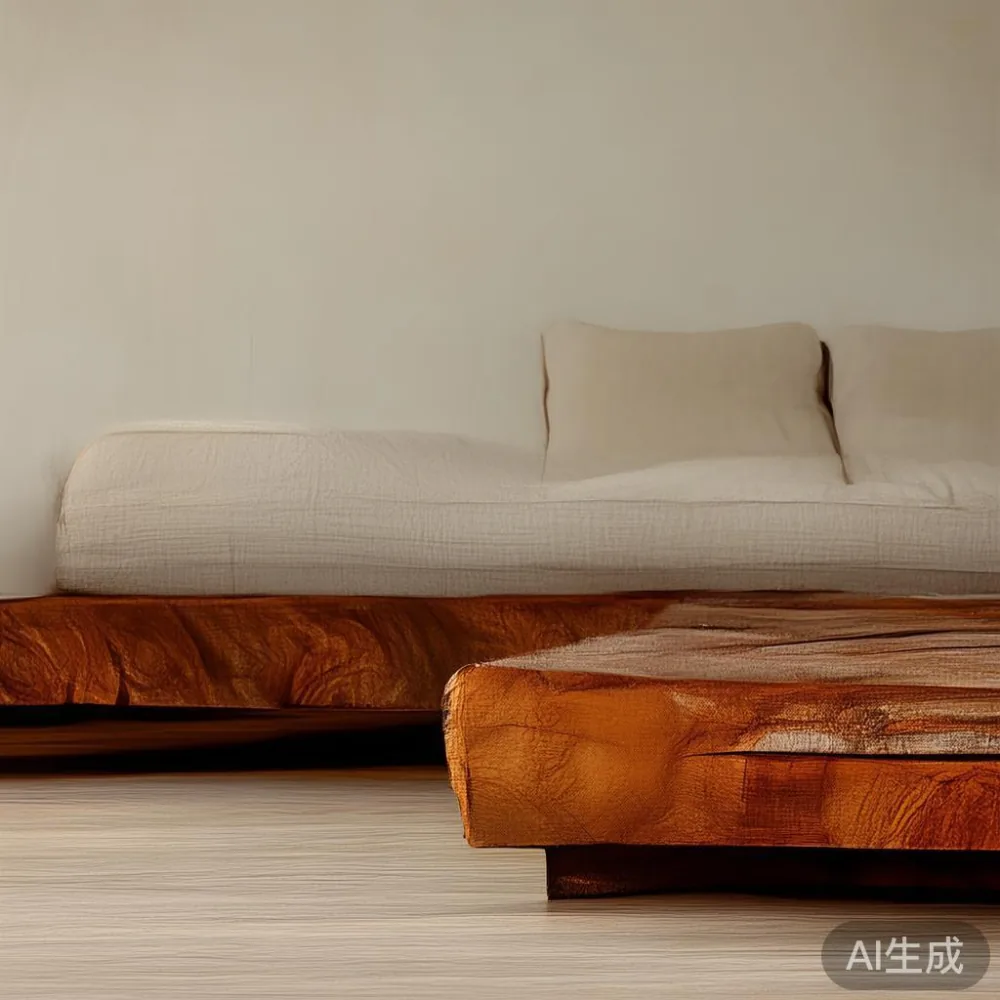
Why does a warranty matter for majlis furniture buyers in Singapore?
Warranties matter because furniture in HDB flats and condos lives a harder life than the brochures suggest. A 3-seater solid wood sofa gets dragged across a 90 cm corridor during CNY cleaning. A 1.8 m dining table rides a goods lift narrower than 1.5 m on the way up to a Punggol executive HDB. A 2.4 m wardrobe gets tilted around a 240-degree staircase turn in a Bedok walk-up. Every one of those moves puts stress on the joints and panels. A clear warranty tells you who pays for the repair — and who pays for the visit — when something goes wrong six months, six years, or sixteen years down the line.
The other reason it matters here: in Singapore, the Consumer Protection (Fair Trading) Act covers misrepresentation and unfair practices, but it does not replace a manufacturer warranty. If a leg cracks on a $2,400 dining table and the warranty excludes "joint stress from moving," you're the one driving the claim. Reading the warranty before paying the GST — currently 9% on most home furnishings — saves a real headache.
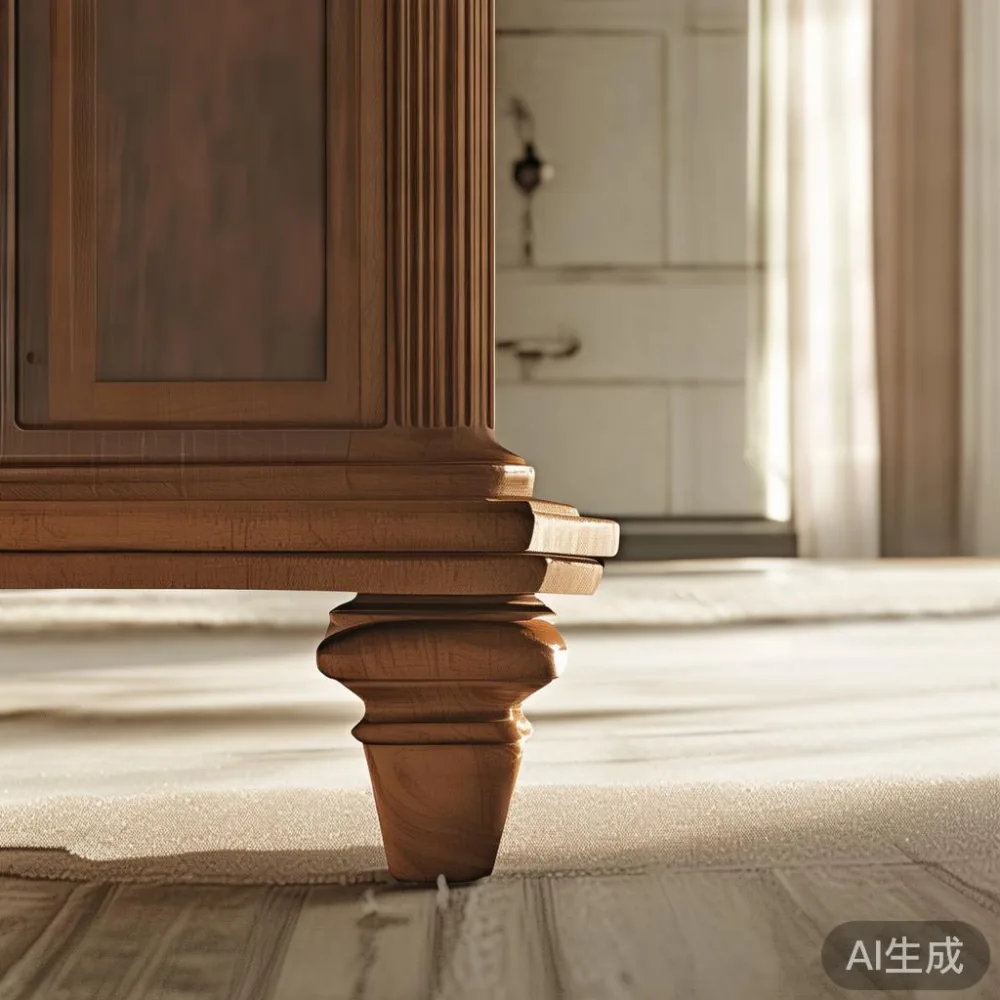
What does "structural" actually mean on a furniture warranty?
This is the single most important word in any warranty document, and it almost never gets defined plainly. In a typical mid-to-upper solid wood piece — say, a majlis-style bench seat or a 1.5 m marble table — the structure is the load-bearing skeleton: the legs, the rails, the stretchers, the dowels, the mortise-and-tenon joints, and the bolts that hold them together. The finish — the lacquer, the wax, the sealant — is almost always excluded from structural coverage.
Ask the showroom to point to the clause that defines structure. A serious maker will hand you a one-page warranty with the definition spelled out. A less serious one will wave at the small print. For context, MIDHILL — a Foshan-based maker working in solid wood since 2008 and shipping worldwide — publishes a 10-year structural warranty on its majlis furniture line. The reason that number matters is that it has to be specific to the structural skeleton, because finishes are a different conversation.

What is the difference between a warranty and a guarantee in Singapore?
A guarantee is a promise about the condition of the product at the point of sale ("the wood will be free of knots larger than 5 mm," for example, or "the marble table top will arrive without hairline cracks"). A warranty is a promise about what happens after the sale. Singapore law does not require a written warranty on home furniture, so any written warranty is a voluntary commitment by the maker. Read it as such.
What I look for in practice: the warranty term in years (not "lifetime," which is meaningless without context), what is covered (structure, hardware, drawer slides, hydraulics), what is excluded (humidity damage, transport damage, refinishing colour shift), and whether the warranty is transferable if I sell the condo. On a majlis furniture piece like a long bench seat or a tall wardrobe, transferability matters more than people think — these pieces are designed to outlive a single lease, often passing to the next owner in 7-10 years.
Which exclusions should you watch for on solid wood and marble pieces?
Solid wood moves. Anyone in Singapore who has owned a teak dining table for two wet seasons knows this. The exclusions to read carefully are the ones tied to "environmental conditions," which usually means anything above 75% RH for more than a few weeks at a time — and Singapore sits at 70-90% RH almost year-round. A warranty that excludes damage from "improper humidity" will, in practice, exclude a lot.
Three exclusions I flag every time:
- Movement damage. "Damage caused by relocation or transport" is reasonable, but the warranty should specify whether the maker covers pickup if they delivered it. If not, your move from a 4-room HDB to a Punggol condo voids the warranty on day one.
- Finish wear. Surface scratches, sun-fade, ring marks, and patina on a solid wood dining table are rarely covered. That's normal. What you want to see is a separate, clearly priced refinishing service — ideally with a maximum cost in SGD listed up front.
- Marble and natural stone. Hairline veining, natural pits, and colour variation are almost always excluded. Read this part carefully if you're buying a marble table or a stone-topped majlis coffee table. Stones that arrive with structural cracks usually require an immediate inspection report within 48 hours of delivery.
What is the "free shipping over US$350" promise actually worth in Singapore?
For a Singapore shopper, the "free shipping over US$350" line — which equates to roughly SGD 470 at the current 1.35 exchange rate — is worth more than it looks, because freight from Foshan to Singapore by sea is not cheap. A single 1.8 m dining table in plywood crate can cost SGD 180-280 to land at our port, before the last-mile delivery into your flat. Free shipping above that threshold is a real concession.
But read the conditions: which floor do they deliver to? Is the goods lift included, or only the ground floor? Who pays if the corridor is too narrow to bring the carton in unopened (a real issue in older Bedok blocks, where some corridors are only 110 cm wide)? And what happens if the first delivery attempt fails — do they reschedule, or charge again? A serious cross-border maker addresses all four points in writing.
How do I style a standing desk in a modern Singapore home?
A standing desk in a modern Singapore home works best when it borrows the proportions and materials of a light-luxury interior — meaning restraint, warmth, and one focal material rather than three competing ones.
The desk itself should sit on a 1.6 m to 1.8 m wall with at least 70 cm of clearance behind the chair, so the chair can roll back without hitting a bedside table or a sofa back. Height range should cover 65 cm seated to 125 cm standing for an average Singaporean adult between 160 cm and 178 cm tall. Pair it with a solid wood nightstand on the side for printer or notebook, a slim floor lamp at 150 cm, and a single piece of art above — not a gallery wall. If you can, add one French light-luxury touch: a brass task lamp, a marble tray for pens, or a slim oak bookend in an American oak boho style. Keep the cable tray under the desk closed and the floor clear so the eye reads the desk as furniture, not as office equipment.
How long should a warranty actually be on a solid wood piece?
For a solid wood piece — a sofa frame, a bed frame, a dining table, a wardrobe — five years is the realistic floor for structural coverage in my experience, and ten years is what you should aim for. Anything less and the maker is betting you won't claim. Anything "lifetime" without a definition is a marketing line, not a warranty.
Some context: kiln-dried solid hardwoods (oak, ash, walnut) tolerate a Singapore indoor environment well if the aircon runs at 23-25°C with dehumidification. Softwoods and poorly dried hardwoods don't. A maker confident in their drying process will write a 10-year structural warranty and stand behind it. A maker who only writes one or two years either doesn't trust their kiln schedule or hasn't been around long enough to see how the pieces age. Since 2008, the better Foshan exporters have written 10-year terms as standard on their structural frames, with refinishing services offered as a separate, paid option — typically in the SGD 280-520 range per piece.
What should a "lifetime refinishing" clause actually cover?
Lifetime refinishing, where it exists, usually means the maker will sand, re-stain, and re-seal your solid wood piece for a fee, sometimes once every 5-7 years. That's a useful service. A 5-seater solid wood sofa or a 2 m dining table will need refinishing about twice over a 25-year life to keep looking sharp, and a single refinishing job in Singapore through a third party runs SGD 400-900 depending on the piece.
What the clause should say: how often (every X years), what it includes (sanding, staining, sealing — and what about hardware replacement?), what it excludes (transport to and from the workshop, which on a heavy wardrobe can be SGD 250+ on its own), and whether the piece is replaced with a comparable loaner while it's in the shop. If the maker offers refinishing for life but charges you full freight both ways every time, the "lifetime" is worth less than it sounds. MIDHILL, for instance, lists lifetime refinishing alongside its 10-year structural warranty — read those two clauses together, because they cover different things.
How do Singapore HDB layouts change what a warranty should cover?
Singapore flats impose specific stresses on furniture that a warranty drafted for a landed house in Kuala Lumpur or a condo in Bangkok never anticipated. Three layout realities to think about:
- Corridor and lift widths. Standard HDB goods lifts are about 1.4 m wide by 1.8 m deep. A 2.4 m wardrobe lying flat won't fit. Tilt it up and it will, but the crown moulding — if any — gets dented in the lift. A warranty that excludes "scratches from delivery" can swallow this damage.
- Floor flatness. HDB floors are flatter than older condos, but a 1.8 m dining table will still rock if one leg lands on a 3 mm high spot. Adjustable feet or felt pads should be part of the standard delivery kit.
- Aircon cycling and humidity. The 2-3 hours of dry air followed by 8-10 hours of humid air puts solid wood through a slow daily pump. A warranty that blames "improper humidity" will try to use this against you. Look for language that ties humidity to specific readings (e.g., above 80% RH for 60 consecutive days), not vague "improper care."
What is a fair 14-day return policy for furniture, and how is it different from a warranty?
A return policy is a short-window right to send the piece back after delivery — usually 14 days in Singapore cross-border furniture, sometimes 7. A warranty kicks in after that. The two work in series. The return policy catches "not what I expected," "wrong colour," and "arrived damaged." The warranty catches "it broke during normal use."
What to check on a 14-day return: is the piece returnable in its original crate (almost impossible after assembly), or assembled? Who pays return shipping on a 90 kg dining table — you, or the maker? Is there a restocking fee, typically 10-20% of the piece price? And critically, does the return policy apply to made-to-order pieces, which majlis-style sofas and wardrobes often are? A serious maker will spell out that made-to-order items are non-returnable except for defect — and that "defect" is defined, in writing, with photos required within 48 hours of delivery.
Which three numbers should I always look for before paying the deposit?
Three numbers, in this order:
- Structural warranty term in years. 5 is acceptable. 10 is what I'd wait for on a $1,800+ piece. Below 5 and I'd ask why.
- Free-shipping threshold in SGD. If your order sits below it, factor the freight in. If it sits above it, confirm the floor number is included.
- Return window in days. 14 is standard. Anything shorter on a made-to-order majlis furniture piece is a yellow flag — ask for the defect definition in writing.
Anything else in the warranty document is detail. These three numbers are the spine. Once you have them — and you've checked that they appear in the same form on the invoice, the warranty card, and the maker's website — you've read the warranty well enough to walk into Tampines, Bedok, or Punggol with confidence, GST included.