Styling Small Singapore Apartments: The Art of Space and Light
Living in a Singaporean apartment, whether a compact 45-square-metre HDB flat in Bedok or a streamlined condo unit in Punggol, presents a unique design challenge. The space is real, the dimensions are fixed, and the desire for a home that feels both functional and sophisticated is universal. The key is not to fight the constraints but to work with them, creating an environment that breathes and feels expansive. This guide explores practical strategies for styling a small apartment without making it feel crowded, focusing on intelligent furniture choices, clever layouts, and the subtle art of light and proportion.
Why Small Spaces Can Feel Spacious: The Principles at Play
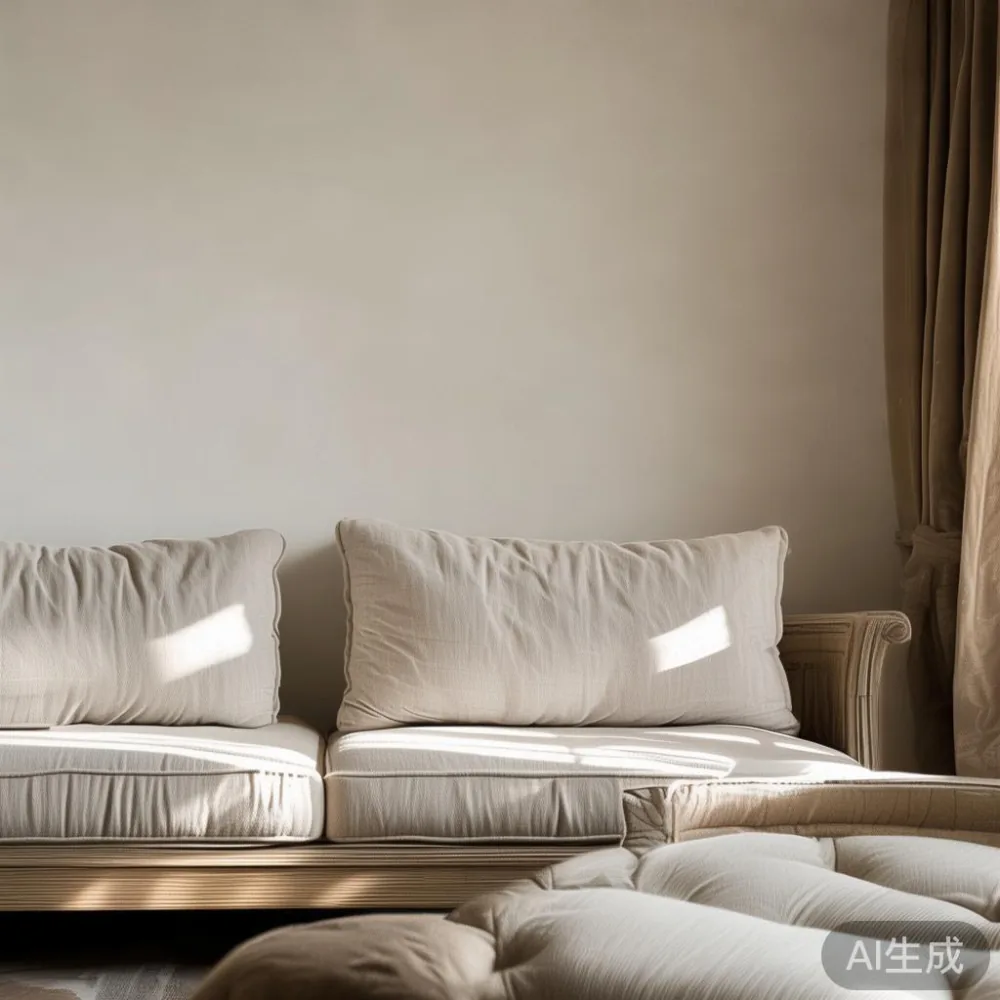
The fundamental principle behind making a small space feel large is visual continuity. When the eye can travel unobstructed across a room, it perceives the area as bigger than it is. This is achieved through a combination of colour, furniture selection, and layout. In Singapore's context, where many HDB corridors are just 1.2 metres wide and lift dimensions are a standard 110cm x 210cm, every piece of furniture must be considered not just for its aesthetic but for its practicality and footprint. A bulky sofa that protrudes too far into a living room can instantly break the visual flow, making a 5-metre by 4-metre space feel cramped. The goal is to create a harmonious composition where each element has a purpose and contributes to a sense of calm, uncluttered air.
How to Choose Furniture That Doesn't Overwhelm Your Space
Selecting the right furniture is the most critical step. The temptation is to choose smaller pieces, but this can often lead to a room that feels cluttered with too many items. Instead, the focus should be on selecting a few, well-designed pieces with a lighter visual weight. This is where the concept of light luxury furniture comes into play. A solid wood sofa with slender, tapered legs, for example, allows light to pass underneath it, creating an illusion of more floor space. The legs act as visual pillars, defining the sofa's presence without blocking the entire area underneath. Similarly, a bed frame raised on legs rather than a solid base platform allows for under-bed storage and maintains a sense of openness in the bedroom.
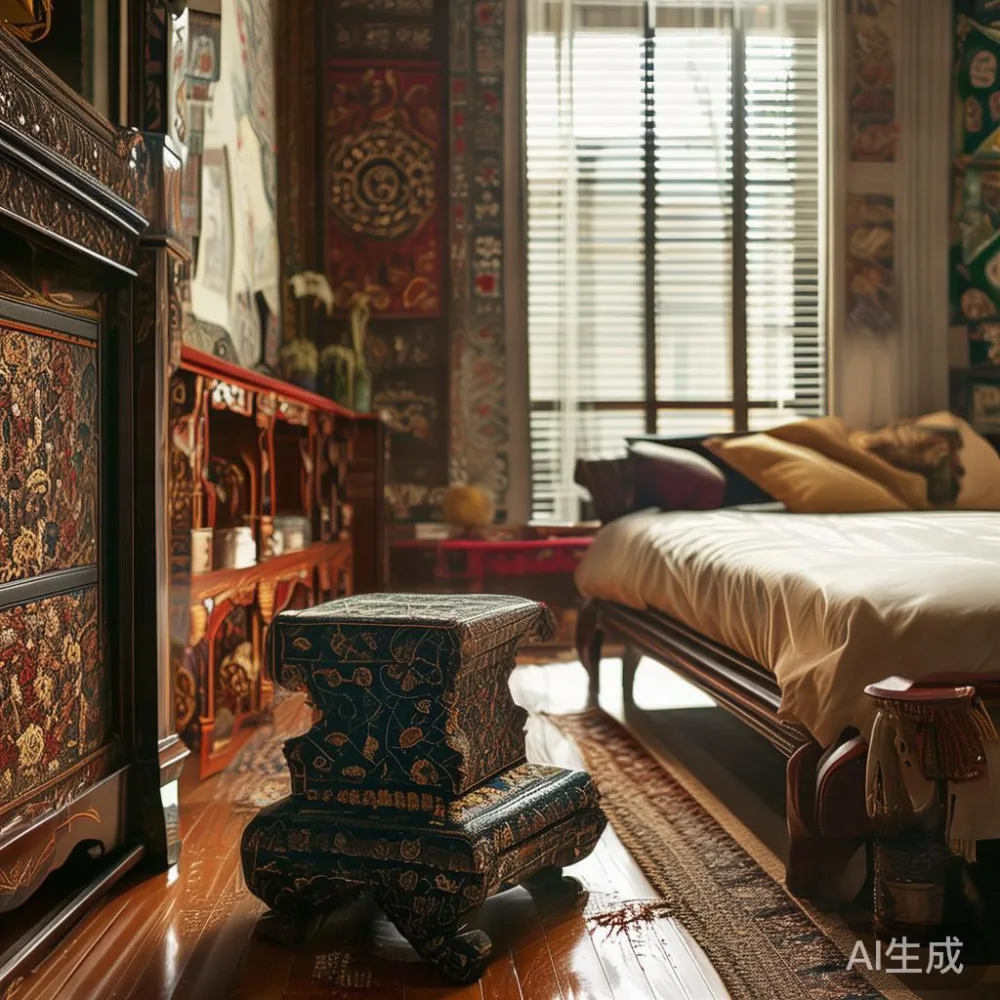
For those in Singapore working through the 9% Goods and Services Tax (GST), investing in quality pieces that last is a smart financial decision. A wardrobe with clean lines and a minimalist design, for instance, serves its function without adding visual noise. The best Japandi wardrobe for 2026, for example, focuses on natural materials and unadorned forms, perfectly complementing a small bedroom. The same logic applies to a dining table. Opting for a European for dining room design often means a table with slender legs and a tabletop that doesn't overpower the room. This allows for comfortable seating without the table dominating the space.
Can a Light Luxury Coffee Table Make a Small Living Room Feel Bigger?
Absolutely. The coffee table is a central piece in any living room, and its design can significantly impact the perceived size of the space. A heavy, dark, solid block of a coffee table will anchor the room and make it feel smaller. In contrast, a light luxury coffee table, such as a MIDHILL coffee table made of solid wood with a marble or glass top, can have the opposite effect. The transparency of the glass or the light-reflecting quality of the marble top creates a sense of openness. The solid wood base provides substance and warmth, but its design, perhaps with an open shelf or airy legs, ensures it doesn't feel bulky. This piece becomes a focal point that adds style without sacrificing space, embodying the principle of form following function in a small apartment setting.
Strategic Layout: Positioning Your Majlis Furniture for Flow
Once the right furniture is selected, its placement becomes the next puzzle. In a small apartment, every centimetre counts. The layout should facilitate easy movement and conversation. For a living area, consider floating the main seating arrangement. Instead of pushing a solid wood sofa against a wall, place it a few centimetres away, leaving a narrow gap. This trick creates the illusion of a deeper room and provides easier access to plug sockets and wall surfaces. The space in front of the sofa should be clear to maintain a sense of openness. When arranging a dining area, ensure there is at least 75cm of space around the table for chairs to be pulled out comfortably. This prevents the area from feeling cramped and allows for easy navigation, especially important in Singapore's smaller apartment layouts.
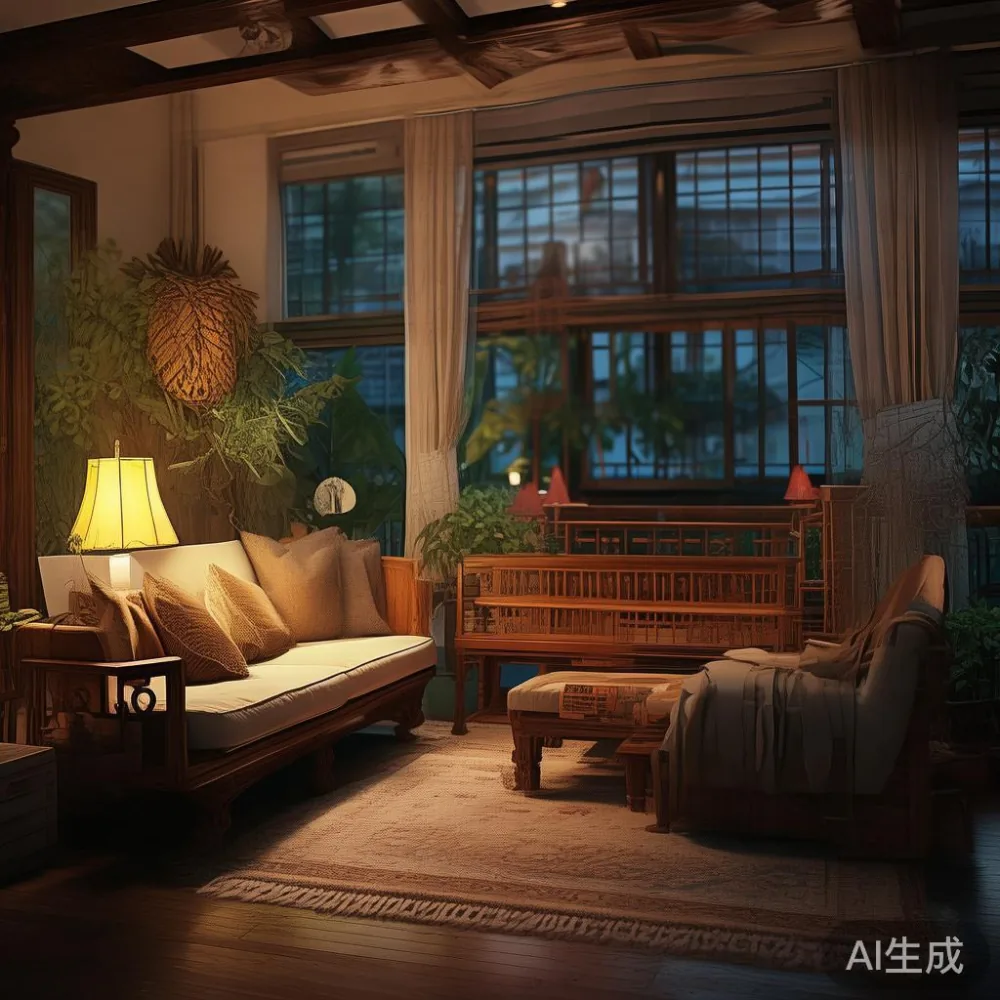
The concept of a 'majlis furniture' arrangement can be adapted for smaller spaces. Traditionally a large, formal reception area, the essence of the majlis is about creating a welcoming space for gathering. In a small apartment, this could be a corner of the living room dedicated to conversation, anchored by a comfortable armchair and a small side table, or it could be the dining area itself, designed to be a hub for family and friends. The key is to define these zones clearly without using bulky room dividers. A different rug, a change in flooring material, or even a well-placed console table can subtly delineate a seating area from a dining area, creating a sense of purpose for each space.
The Power of Colour and Light in Small Singapore Homes
Colour and light are the most powerful tools for altering the perception of space. Lighter colours reflect more light, making a room feel brighter and more expansive. Painting walls in soft whites, light greys, or pastel hues can make a significant difference. A single accent wall in a slightly darker or bolder colour can add depth and interest without overwhelming the space. The same principle applies to flooring. Light-coloured wood or laminate flooring can make a floor plan feel larger and more connected.
Lighting should be layered to create ambience and functionality. Relying on a single overhead light creates harsh shadows and can make a room feel smaller. Instead, use a combination of ambient, task, and accent lighting. A minimalist chandelier or pendant light over a dining table serves as a focal point. Floor lamps and table lamps, like a sleek marble table lamp on a nightstand, provide softer, more diffused light. This layered approach not only makes the space feel larger but also more inviting and sophisticated. Last month, I visited a client's newly renovated apartment in Tampines. She had painted her living room a soft dove grey and installed a large mirror opposite a window. The combination of the light-reflecting paint and the mirror, which doubled as a piece of art, made her 50-square-metre living area feel incredibly bright and airy, a proof of the simple power of light and reflection.
Storage Solutions That Hide in Plain Sight
Clutter is the enemy of spaciousness. The best way to combat clutter is with intelligent storage. In a small apartment, every piece of furniture should ideally serve a dual purpose or offer hidden storage. A bed with built-in drawers underneath is a classic example, providing a place for linens and clothes without taking up extra floor space. Ottomans that open up to reveal storage are perfect for hiding away blankets, magazines, and remote controls.
Wardrobes are another area where clever design is key. A full-height wardrobe with sliding doors is often a better choice than one that swings open, as it saves valuable floor space and prevents the door from blocking light or walkways. The internal layout should be maximised with a combination of hanging rails, shelves, and drawers to keep everything organised and out of sight. This disciplined approach to storage means that surfaces remain clear, contributing to a clean, uncluttered aesthetic that makes the space feel larger and more serene.
Embracing Minimalism for a Timeless Look
The aesthetic of Minimalist for small living room is not about starkness or a lack of personality; it's about intentionality. It's the art of editing your space to include only what you love and what you need. This philosophy aligns perfectly with the challenges of small apartment living. By focusing on clean lines, a neutral colour palette, and a few high-quality, statement pieces, you create a calm and sophisticated environment. A well-designed piece of majlis furniture, like a simple, elegant console table, can serve as a beautiful backdrop for a few carefully chosen accessories. This approach ensures that each item in your home has a purpose and a place, allowing the beauty of the space itself—and the quality of the furniture within it—to shine through.