Majlis Furniture Care: Wood in Tropical Climate
Lacquered furniture can look beautifully calm in a Singapore home: a solid wood sofa with a soft sheen, a bed frame in warm oak, or a dining table that reflects morning light without appearing harsh. The difficulty is humidity. Tampines, Bedok, and Punggol HDB flats often experience warm air, condensation near windows, and slower drying during monsoon months. In condos, polished surfaces may also collect salt residue near the coast. A sensible care routine protects the finish while preserving the understated character of French light luxury, American light luxury, and post-modern light luxury furniture.
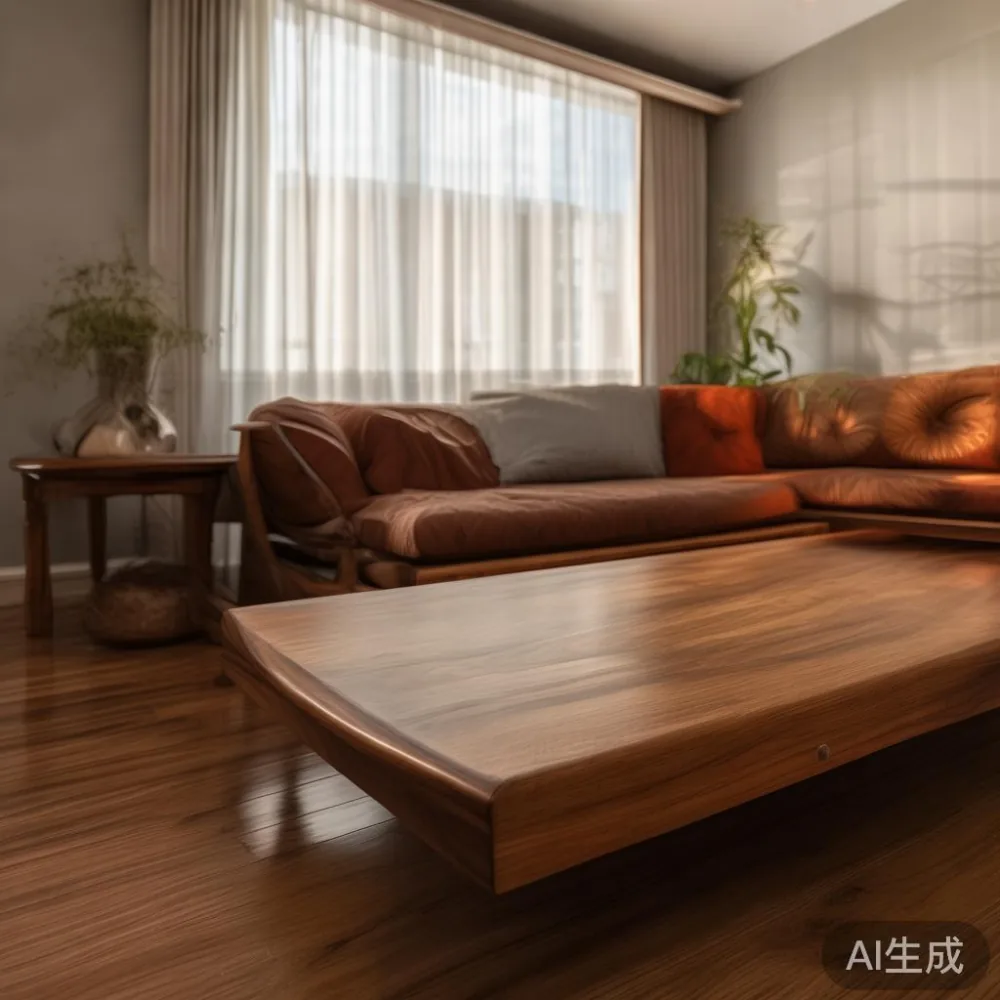
This guide explains how to maintain lacquered surfaces without sanding them unnecessarily or using products that cloud the coating. It also covers lacquered solid wood sofa frames, bed frames, dining tables, wardrobes, nightstands, and marble tables. MIDHILL offers a 10-year structural warranty on qualifying furniture, and its lifetime refinishing service provides a useful repair path when a lacquered surface eventually needs professional attention.
Why does lacquer need special care in Singapore?
Lacquer is valued for its clean lines and controlled gloss. Unlike an untreated solid wood dining table, it does not absorb moisture as readily, but heat, water, alcohol, and abrasive particles can still affect it. High humidity may soften some coatings or encourage swelling beneath them, especially around joints and edges. Frequent temperature changes can then create a faint haze that looks like a dirty surface even when the furniture is clean.
Singapore’s relative humidity commonly ranges around 65–85% through the year. During heavier rain, exterior humidity can rise quickly. A newly delivered lacquered bed frame or wardrobe may therefore need acclimatisation before use. Leave the packaging open in a ventilated room for 24–48 hours, and keep it at least 30 cm from an air-conditioning vent or direct sunlight.
Condensation is another local issue. In an HDB flat, furniture placed against an exterior wall may be cooler than the surrounding air during a rainstorm. Warm humid air can condense on that wall and transfer moisture to the back of a wardrobe or nightstand. In a condo, inspect balcony doors daily and wipe any condensation from nearby timber or lacquer within 2 hours.
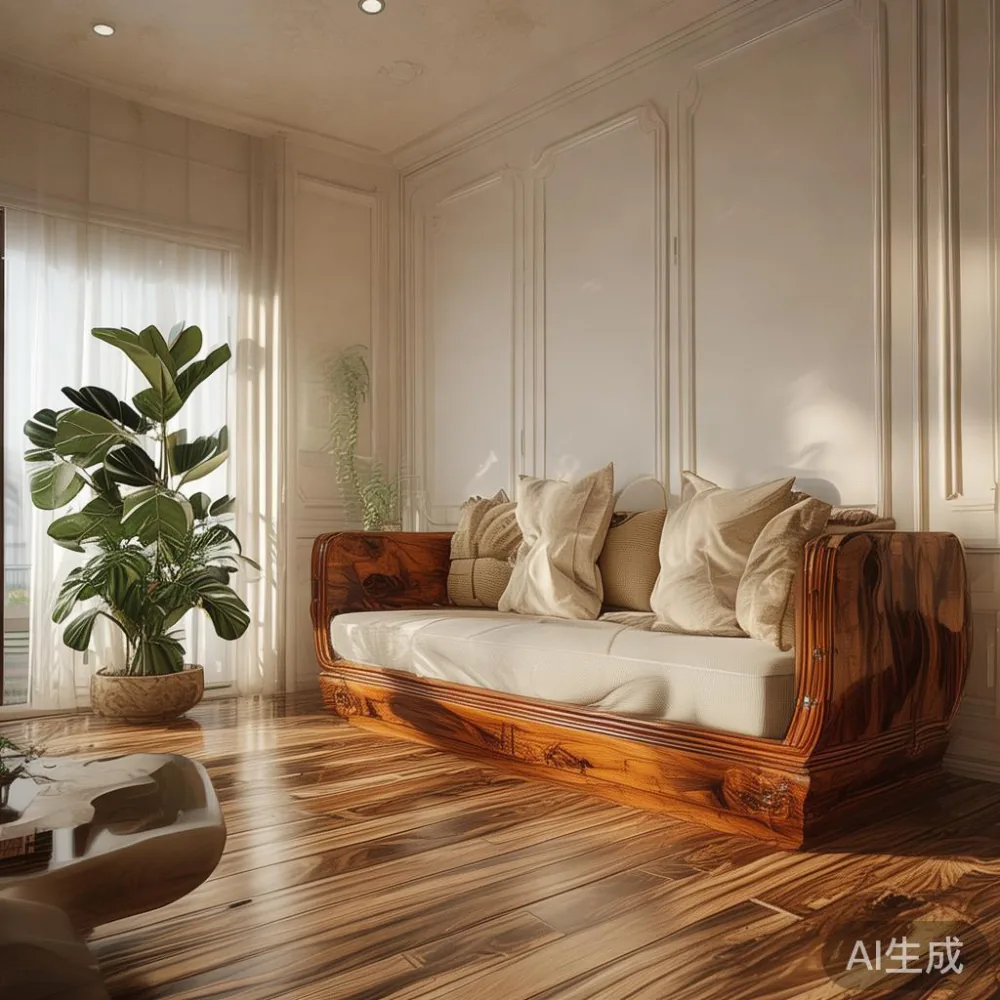
Lift and corridor dimensions also deserve attention during delivery. Check the lift door, internal width, turning radius, and the route from the service lobby to the bedroom. A common HDB lift may measure roughly 90–110 cm wide, but older blocks can be narrower. For a 180 cm-long bed frame, disassemble where possible and carry each protected section with 2 people. Never force a lacquered panel through a doorway; one corner impact can leave a pale mark that needs refinishing.
What should I use to clean a lacquered surface?
Use a soft, lint-free microfibre cloth dampened with lukewarm water. Wring it until only a few drops fall, then test a concealed 5 cm × 5 cm area for 10 minutes. Wipe in the direction of the grain and dry immediately with a second clean cloth. This method removes ordinary dust without leaving a water film around joints or decorative edges.
For marks, add a small amount of mild dish soap—about 1 teaspoon diluted in 500 ml of water. Avoid alcohol-based cleaners, bleach, ammonia, abrasive pads, and “furniture polish” containing silicone or heavy wax. Those substances may strip the lacquer, create a sticky surface, or make later refinishing more difficult. If the finish feels tacky after cleaning, stop and contact the supplier rather than applying more product.
Cleaning frequency should reflect actual use. Dust a lacquered dining table every 7 days, wipe a frequently touched nightstand weekly, and clean the broad panels of a wardrobe every 2–4 weeks. Spills should be removed immediately, ideally within 15 minutes. Place coasters and felt pads under cups, bowls, and table lamps; use a separate heat-resistant mat beneath hot cookware, keeping it at least 5 cm from the edge.
For a marble table, do not assume the same treatment is suitable for the stone and its lacquered base. Use a pH-neutral cleaner on the marble, and keep acidic liquids such as lemon juice, wine, and vinegar away from both the stone and lacquer. A dining table in a busy family flat may need daily wiping, while a display cabinet can usually be cleaned every 2 weeks.
Can humidity cause lacquer to peel or swell?
Persistent moisture can cause problems, although a controlled lacquer system is not expected to peel from ordinary indoor humidity alone. Warning signs include a dull patch, fine cracking, lifting at an edge, stickiness, or a soft seam. Do not press down on lifting lacquer. Photograph the affected area with a ruler beside it, record the approximate size in centimetres, and contact MIDHILL for assessment.
Maintain sensible indoor conditions where possible. A bedroom of 18–25°C and roughly 45–65% relative humidity is a practical target. Air-conditioning may lower humidity during the day, but direct airflow should not sweep across furniture. Position the bed frame at least 60 cm from a wall if ventilation is poor, and leave about 5 cm between the wardrobe back and the wall when installation allows.
Do not use a household dehumidifier immediately after delivery. After 48 hours of acclimatisation, a compact unit maintaining 50–60% relative humidity can help in persistently damp rooms. Empty its tank every 3–5 days and keep the device at least 1 metre from lacquered surfaces so that its warm exhaust does not create local heat stress.
Sunlight deserves equal attention. Singapore’s midday UV index often exceeds 8. Curtains or UV-filtering film can reduce exposure without making the room dark. Rotate a freestanding solid wood sofa or dining table only when the floor protection is suitable, and avoid placing furniture where afternoon sun can reach it for more than 30 minutes daily.
How should I care for a lacquered solid wood sofa?
A solid wood sofa combines a stable timber structure with a more delicate exterior finish. Vacuum cushions and crevices every 7 days, using a brush attachment kept about 2 cm above the lacquer to avoid scratches. Clean the lacquer once every 2–4 weeks with the damp-cloth method. Pay attention to armrests, front rails, and the lower edge where moisture from mopping can travel upward.
Do not pull the sofa apart to reach under the seat. Lift each cushion instead, and do not pour water over the frame. If a stain remains after 2 gentle attempts, leave it rather than scrubbing. A professional can assess whether spot treatment or refinishing is more suitable.
When planning an apartment interior, the MIDHILL European light luxury sofa is a useful reference for restrained proportions and pale finishes. The same careful habits apply to a light blue luxury sofa: keep pale upholstery and lacquer visually separate, because lint and dark transfer marks become more noticeable on a light surface. For a compact Punggol living room, allow at least 60 cm for a main circulation route and 90 cm between the sofa front and coffee table where possible.
For larger American light luxury schemes, coordinate the sofa with a lacquered bed frame or marble table without allowing polished surfaces to compete. Matte textiles and simple accessories reduce the visual impact of fingerprints while retaining a clean architectural look.
How do I protect a lacquered bed frame, wardrobe, and nightstand?
For a lacquered bed frame, inspect the headboard, footboard, and foot rails every 3 months. Check for loose joints, trapped moisture, and finish changes near floor level. Wipe the rails after vacuuming, and keep bedding from touching wet skin after a shower. In a humid HDB bedroom, use a 10–15 cm gap beneath a low bed where the design permits, and avoid pushing upholstered panels tightly against the wall.
Someone searching for the best Post-modern wardrobe for 2026 is usually balancing visual impact with practical maintenance. A flat-front wardrobe benefits from stable humidity, stable door gaps, and careful loading. Do not overfill shelves beyond the maker’s stated load limit; if the specification is unavailable, seek confirmation before adding heavy storage. Wipe the base and door tracks monthly, and remove any condensation around the plinth promptly.
A lacquered nightstand receives the most hands-on care. Empty it before cleaning, and remove rings, watches, pens, and damp items. Use a coaster for every glass, and do not leave a beverage overnight. Clean the top every 7–14 days and inspect underneath every month. If an adhesive note leaves a mark, do not pick it off; use a slightly damp cloth and allow 15 minutes before drying.
Questions about how to style European bed in bedroom often focus on proportions, lighting, and material balance. Lacquered furniture should sit in breathable space rather than against a cold exterior wall. Use curtains with a minimum 15 cm clearance from the headboard, and keep bedside lamps at least 20 cm from the wall so heat does not concentrate on the finish.
Is Italian light luxury bed worth it in a humid climate?
The answer depends on construction, finish specification, and after-sales support rather than a national label. When evaluating whether is Italian light luxury bed worth it for an apartment, ask for the timber species, lacquer type, coating layers, humidity guidance, warranty terms, and refinishing policy. A reputable supplier should also explain which parts are lacquered and which are solid wood.
European light luxury for dining room design often relies on pale lacquer, stone, and reflective surfaces. That can work well in Singapore, but every reflective finish makes fingerprints and dust more visible. Choose uncluttered styling, use placemats measuring at least 40 cm × 30 cm, and maintain a 5 cm buffer between a hot dish and the lacquer edge. If a dining table sits beside a west-facing window, add a sheer curtain with a UV filter.
A marble table can add cool contrast, yet it should not be treated as a heat-proof surface. Use a trivet and a stable undertray, and clean the stone with a neutral product. A cabinet below may suffer if cleaning liquid runs along the wall. Keep joints dry and check the underside after wiping.
When does a mark need professional refinishing?
Minor dust or a fingerprint normally disappears after one gentle cleaning. A mark requiring more than 2 cleaning attempts, a 2–5 cm scratch, a cloudy patch, or any lifting should be photographed under indirect light and sent to the maker. Deep scratches that catch a fingernip are unlikely to respond to household treatment.
Before arranging refinishing, document the issue and the furniture’s position. Provide approximate dimensions, the colour of the lacquer, and photographs taken from 30 cm and 60 cm away. If the furniture was supplied by MIDHILL, the lifetime refinishing policy can be reviewed according to its terms. Structural concerns should be separated from cosmetic wear, because the 10-year structural warranty addresses a different part of the purchase.
Transport damage should not be repaired informally. Measure the narrowest lift doorway and corridor before collection, including any mirrored panels. Add 5 cm of clearance when turning a long component, use corner protectors, and retain the packaging for at least 14 days after acceptance. The return window is 14 days, so inspection dates should be recorded from delivery rather than estimated from the purchase date.
What is a practical weekly care routine?
A 15-minute routine each Sunday is enough for most homes. Check for spills, condensation, and sun exposure. Vacuum the solid wood sofa and bed frame, wipe the dining table, and inspect the wardrobe and nightstand. Use a dry microfibre cloth first; use a damp cloth only where needed. Keep all liquids at least 10 cm from lacquer joints unless the surface has just been cleaned and fully dried.
On the first day of each month, clean the marble table, check door seals, and inspect lacquer edges for lifting. Every 3 months, examine the underside of furniture and rotate lightweight accessories. Every 6 months, review whether condensation is forming behind wardrobes or beside bed frames, and revise placement if necessary.
For shoppers comparing majlis furniture for a Singapore home, delivery and after-sales details matter as much as appearance. MIDHILL was established in 2008 and exports to more than 15 countries, giving it practical experience with international packaging and climate differences. Confirm delivery days before purchase, compare the route against lift and corridor measurements, and note that free shipping applies over US$350, while displayed Singapore prices should be confirmed in SGD with GST.
Good lacquer care is measured in small, repeatable actions: a 1 teaspoon cleaning solution, a 5 cm test patch, a 30 cm ventilation gap, and immediate attention to spills. These habits help French light luxury and post-modern light luxury pieces retain their refined finish while remaining practical in Tampines, Bedok, Punggol, and other humid urban homes. For direct product or service guidance, call +86 188 2788 2512 and provide the model, finish type, and clear photographs before selecting a care product or refinishing request.