Humidity's Impact on Solid Wood Furniture in Singapore's Climate
Singapore’s equatorial climate can change from warm and muggy to suddenly cool within hours, while an HDB flat in Tampines, Bedok, or Punggol may experience noticeable humidity differences between the living room, bedroom, and corridor. For owners of solid wood furniture, those changes matter because timber expands, contracts, checks, and reacts to moisture long before metal fittings show any sign of strain.
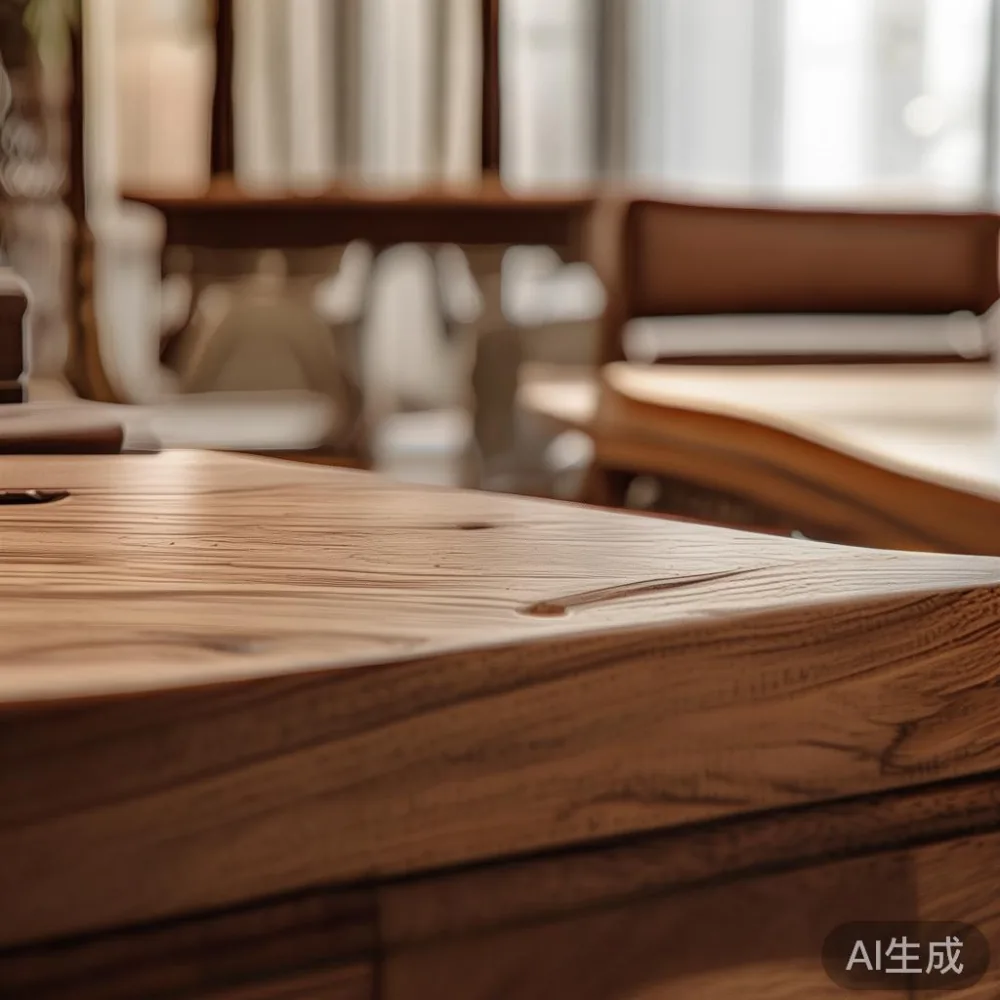
At MIDHILL, we design solid wood furniture with the realities of Southeast Asian homes in mind. A solid wood sofa, bed frame, dining table, wardrobe, or nightstand should look refined without behaving like a moisture-sensitive prop. The practical goal is not to eliminate every seasonal movement; it is to slow that movement, control it, and choose construction methods that make small dimensional changes manageable.
This guide explains how humidity affects furniture, why lift and corridor dimensions matter during delivery, how marble table tops differ from timber, and what Singapore households can do to protect their pieces. Prices are shown in SGD and include Singapore GST where applicable.
Why Singapore’s Humidity Changes Solid Wood
Relative humidity is the percentage of water held in the air. Singapore commonly experiences readings between about 60% and 90%, with daily weather patterns influenced by the monsoon climate. Air-conditioning may reduce a room to 55% or 60%, while an unconditioned corridor can remain above 80% after rain. Night-time temperatures may fall by 6°C to 10°C, producing condensation on cooler surfaces.
Wood is hygroscopic: it absorbs and releases moisture as the surrounding humidity changes. The movement is small across the grain but larger along the grain. A solid oak dining table with a 180 cm top might move by roughly 3 mm to 6 mm across its width during a substantial seasonal change. That is enough to stress a tight joint, mark a floor, or cause a drawer to bind. Movement also depends on species, cut, thickness, finish, and the grain direction.
Solid wood generally behaves more predictably than ordinary engineered board when it is well made, dry before assembly, and allowed to acclimatise. However, a veneered surface is only as stable as its core, while thick, poorly sealed solid timber can respond more dramatically. The key is controlled construction rather than a blanket promise that wood never changes.
New furniture also needs time to adapt. Timber may be kiln-dried or air-dried before machining, then packaged in a humid warehouse before reaching Singapore. A responsible supplier allows the pieces to acclimatise in the room where they will live. For a solid wood bed frame, that may mean leaving it unpacked for 5 days to 10 days; for a wardrobe, opening the panels gradually over 1 day to 3 days is often more practical.
How Much Humidity Should Singaporean Homes Maintain?
A useful indoor target is around 45% to 60% relative humidity, with steady room temperature and limited rapid swings. Singapore homes can sit within that range more easily when doors and windows are managed carefully and air-conditioning is used consistently. A bedroom maintained near 55% may still dry in the early morning, but that short fluctuation is less damaging than moving between an 85% corridor and a 50% living room several times a day.
Use a calibrated hygrometer rather than relying on a phone app alone. Place it 1 metre above the floor and away from direct airflow, windows, and dehumidifiers. Check it at about 8 a.m., 3 p.m., and 10 p.m. for 7 days before buying a large wardrobe. If the reading moves by more than 10 percentage points in a day, identify the source before furniture arrives.
Air-conditioning lowers humidity but may also create local drying around vents. Keep the supply away from a nightstand, about 1.5 metres to 2 metres if the layout allows. Dehumidifiers are useful in Bedok and Punggol homes with north-facing or ground-level exposure, but target the room rather than chasing a perfectly fixed number. A moderate setting around 55% is generally more practical than setting the machine to its driest level.
For compact Singapore interiors, the phrase French for small living room is often used in design searches, although the language is usually just French. The practical version is a French light luxury arrangement: pale upholstery, slender solid wood frames, restrained profiles, and a slim console that does not overwhelm a 280 cm to 350 cm living room wall. Moisture control is part of making that visual lightness work, because pale finishes reveal movement, stains, and surface changes more readily than darker stains.
Which Furniture Pieces Are Most Affected?
A solid wood dining table is particularly sensitive to large changes because its top is broad and exposed. Wipe spills promptly, use coasters, and avoid standing damp cloths or hot pots on the surface. In a dining room near a frequently opened kitchen, try to keep relative humidity within about 10 percentage points of the adjoining living area. Apply a maintenance finish every 12 months to 24 months depending on use and exposure.
A solid wood bed frame moves mainly around its rails, headboard, and side components. Inspect fixings every 6 months and avoid pushing the bed tightly against an external wall. During delivery, check that the lift door is at least 80 cm wide and the car lift depth is at least 130 cm, with a doorway of at least 75 cm. If the lift cannot accommodate the frame, a sectional or knock-down design can reduce carrying distance and damage risk.
A wardrobe has the most enclosed volume, so its panels and doors can twist if the interior and corridor experience different humidity levels. Allow for ventilation after installation, do not trap the back against wet masonry, and check that doors close without forcing. A nightstand experiences local airflow from bedside air-conditioning; a marble table is less hygroscopic, but its stone, adhesive, and supporting frame still require careful handling.
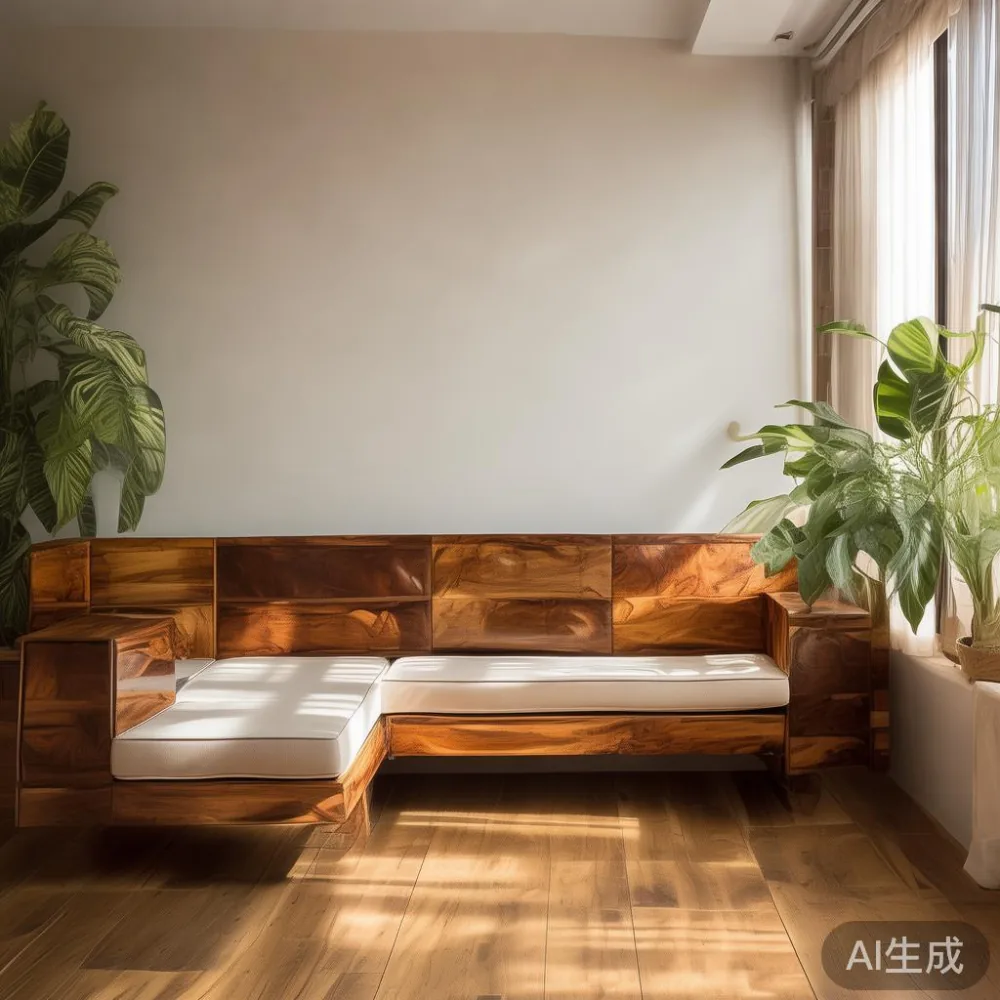
The exact phrase Nordic for small living room also appears in local design briefs, though the intended style is normally Scandinavian rather than Nordic. A pale Nordic-style solid wood sofa can suit an HDB living room, but it should not sit against a cold external wall that develops condensation. Keep it 5 cm to 8 cm away from the wall where space permits and inspect the rear edge after heavy rain.
Can You Deliver a Wardrobe Through a Narrow HDB Lift?
Yes, but dimensions must be confirmed before dispatch. Record the lift door width, internal car width, car depth, and corridor turns rather than estimating from photographs. A common HDB lift may offer around 90 cm door width and a 140 cm deep car, but buildings and upgrades vary. A flat-pack wardrobe can enter more easily than a fully assembled unit because its panels are narrower and lighter.
For example, a wardrobe assembled from panels no wider than 60 cm and weighing 28 kg per panel is easier to manage than a single 95 kg carcass. A solid wood bed frame may need one package under 35 kg for 2-person handling. Many furniture deliveries in Singapore take 7 days to 14 days after order confirmation, but made-to-order pieces can require 6 weeks to 10 weeks. The delivery plan should state the day, time slot, floor, and any lift booking charge.
MIDHILL can advise on access based on submitted measurements, but the building rules remain under the owner’s control. Reserve the service lift, protect common corridors, and measure any turns. A 180 cm dining table may need a 200 cm carrying route if turned vertically, even when its width is below the lift door. Material handling also affects the finish, so a professional delivery team should use blankets, corner guards, and clean lifting straps rather than dragging a box.
What Should Buyers Ask Before Ordering Solid Wood?
Ask what wood is used, how it was dried, whether the panels are solid or engineered, how the finish is sealed, and what movement is expected. “Solid wood” should describe the relevant structural components, not merely a decorative veneer. Confirm whether drawer bottoms, backs, and internal panels are solid timber or another specified material.
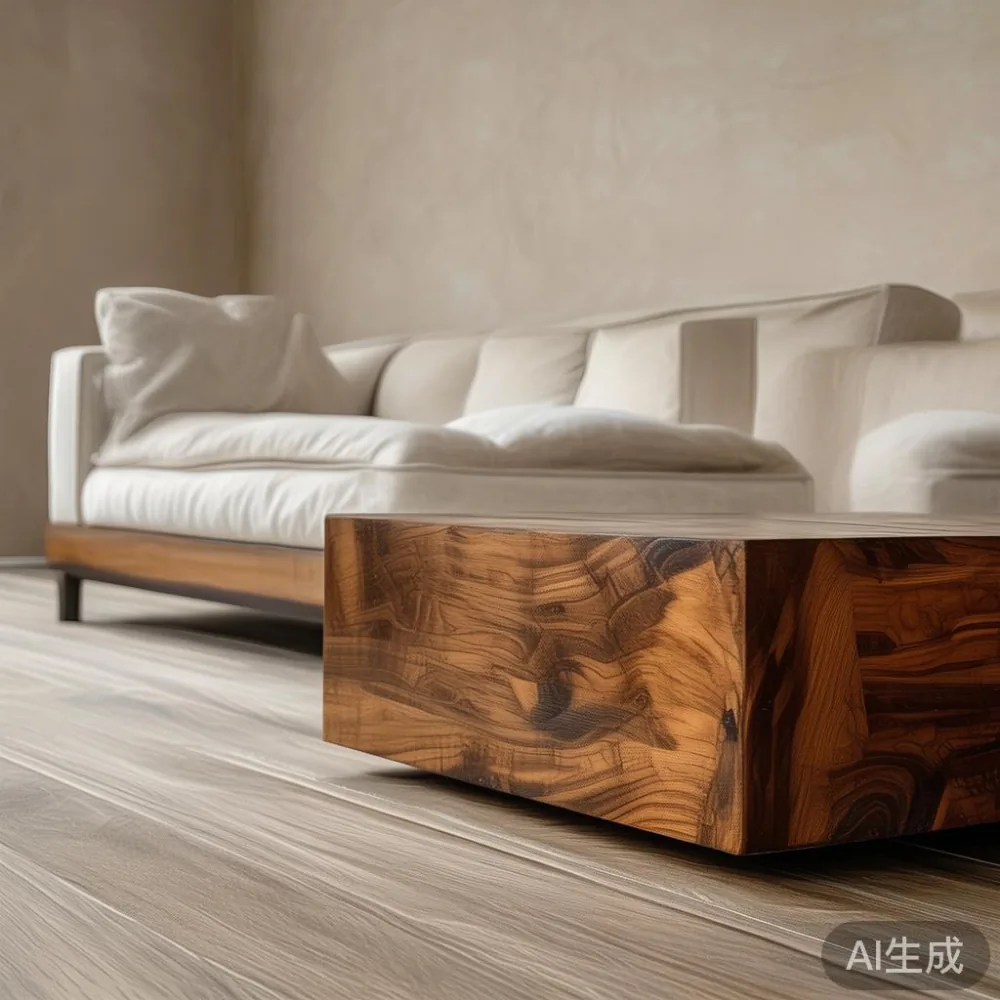
For a local room, the search term for sale Modern furniture may lead to many material options. Filter for solid wood, stable joinery, and a finish suitable for tropical conditions. Post-modern light luxury styling can work well in a condominium: clean lines, warm timber, soft upholstery, and one marble table as a focal point. The key is proportion. In a 320 cm living room, a 210 cm to 240 cm sofa usually leaves useful circulation without crowding the dining area.
The phrase Mid-century modern for guest room is another useful design direction for compact HDB flats. A guest room measuring 3.0 metres by 3.2 metres may fit a 140 cm bed frame, a 40 cm nightstand, and a slim wardrobe with 60 cm depth. Mid-century-inspired tapered legs can create visual space, but solid timber legs should not be used as handholds while moving the frame.
Ask for care instructions in writing. A good supplier will explain cleaning, refinishing, and warranty terms. MIDHILL provides a 10-year structural warranty and lifetime refinishing, which can reduce the long-term cost of surface maintenance. In Singapore, typical delivery is free above US$350, equivalent to about SGD 460 before GST conversion fluctuations; Singapore returns are accepted within 14 days under the stated policy.
How Do Marble Tables and Solid Wood Respond Differently?
A marble table does not expand and contract with humidity in the same way as timber. Limestone or marble can, however, react to moisture, acids, and temperature changes in less visible ways. Wipe acidic liquids immediately, use neutral stone cleaners, and avoid vinegar, lemon juice, and abrasive scourers. Keep the table away from direct rain and do not place chilled drinks on a warm top without protection.
The supporting base may still be solid wood, so inspect it after seasonal changes. A marble top weighing 45 kg may require 3 people and a rated lifting device, especially above the 10th floor. Delivery through a 90 cm lift door may be possible if the top is removable, but it should never be forced past the frame.
For design references, 2026 European light luxury furniture collections often combine pale timber, tactile fabrics, stone accents, and restrained metal details. The keyword MIDHILL European light luxury sofa can point toward that visual direction, but the construction remains more important than a trend label. Check frame stability, cushion density, seam construction, and the moisture suitability of the timber beneath the upholstery.
French light luxury can feel particularly appropriate for Singapore’s warm climate when pale woods are paired with breathable woven upholstery and removable cushion covers. American light luxury tends toward generous proportions, which may require careful planning in an HDB flat. Post-modern light luxury offers graphic shapes and practical modular storage, useful where every centimetre counts.
What Can I Do After Humidity Damages a Wooden Surface?
Small changes do not automatically mean damage. If a solid wood dining table develops fine surface checks after a humid period, dry the room gradually, improve airflow, and let the timber settle for 2 weeks to 4 weeks. Do not suddenly place the table beside a powerful heater or blast it with compressed air. Rapid drying can create larger cracks.
For sticky drawer runners, clean the grooves and apply an appropriate lubricant rather than forcing the drawer. For swollen or tight doors, identify the rubbing point, remove hinges if required, and adjust them over several days as humidity changes. Avoid tightening every screw aggressively; timber needs room to move.
Last month I visited a family flat in Tampines after a week of heavy rain. A solid wood bed frame had been delivered 14 months earlier and stood against an external wall. The bedside humidity had stayed near 82%, and the drawer on the nightstand was binding. We moved the furniture 6 cm from the wall, reduced corridor moisture with a dehumidifier, and adjusted the drawer runner. After 10 days, the drawer opened smoothly without planing or replacing the whole component.
If a finish has been water-marked, test a cleaning method on a hidden area first. A refinishing service can usually correct minor surface wear, but deep splits, loose joints, or decay require individual assessment. Photograph the issue with a ruler beside it and note the humidity and weather conditions. That record helps a specialist distinguish movement from a manufacturing defect.
How Should You Maintain Majlis Furniture in a Humid Climate?
For majlis furniture intended for Southeast Asian homes, humidity care should begin before delivery. Keep boxed pieces sealed until the room is ready, remove the packaging gradually, and provide 5 days to 10 days for acclimatisation. Do not install a large wardrobe immediately after delivery if the room is unusually damp. Arrange a delivery date that matches your renovation and air-conditioning schedule where possible.
Inside the home, wipe surfaces with a soft, slightly damp cloth and dry them immediately. Use felt pads under a solid wood dining table, protect it from hot vessels, and renew its finish every 12 months to 24 months. Check a bed frame’s fixings every 6 months, keep a wardrobe ventilated, and monitor the area behind a nightstand.
Use a hygrometer in occupied rooms, maintain about 45% to 60% relative humidity, and address condensation around windows and air-conditioning vents. For a new condominium near the coast, inspect the wardrobe and bed frame during the first 3 months and after the monsoon season. For resale planning, condition the room for at least 7 days before listing so photographs show the furniture at its most even and representative.
Humidity will always affect timber. Thoughtful species selection, proper drying, stable joinery, good finishes, controlled indoor conditions, and accurate delivery planning can make the effects small and manageable. The right solid wood furniture for Singapore is not furniture that never moves; it is furniture built and maintained with that movement in mind.