Caring for a Lacquered Surface in a Tropical Climate: A Majlis Furniture Owner's Guide for Singapore Homes
I still remember the Saturday morning I spent at my colleague Priya's new 4-room HDB flat in Bedok, watching her husband wince as he dragged a solid wood dining table across the hallway. The lift opening at their block measured a tight 1.0 m wide by 2.1 m deep, and the corridor turning radius forced them to tilt the table at a 38-degree angle just to clear the railing. Two weeks later, Priya called me in a panic: a faint white bloom had appeared along the lacquered edge near the bay window. The culprit was not bad workmanship. It was Singapore's humidity, hovering between 78 and 92 percent most evenings, slowly pushing moisture through the finish. That phone call is the reason I wrote this guide, because a beautiful piece of majlis furniture — the kind of solid wood sofa, bed frame, dining table, wardrobe, nightstand, or marble table that defines a refined majlis-style living room — can lose its mirror sheen in under a year if you treat it like a piece of European furniture.
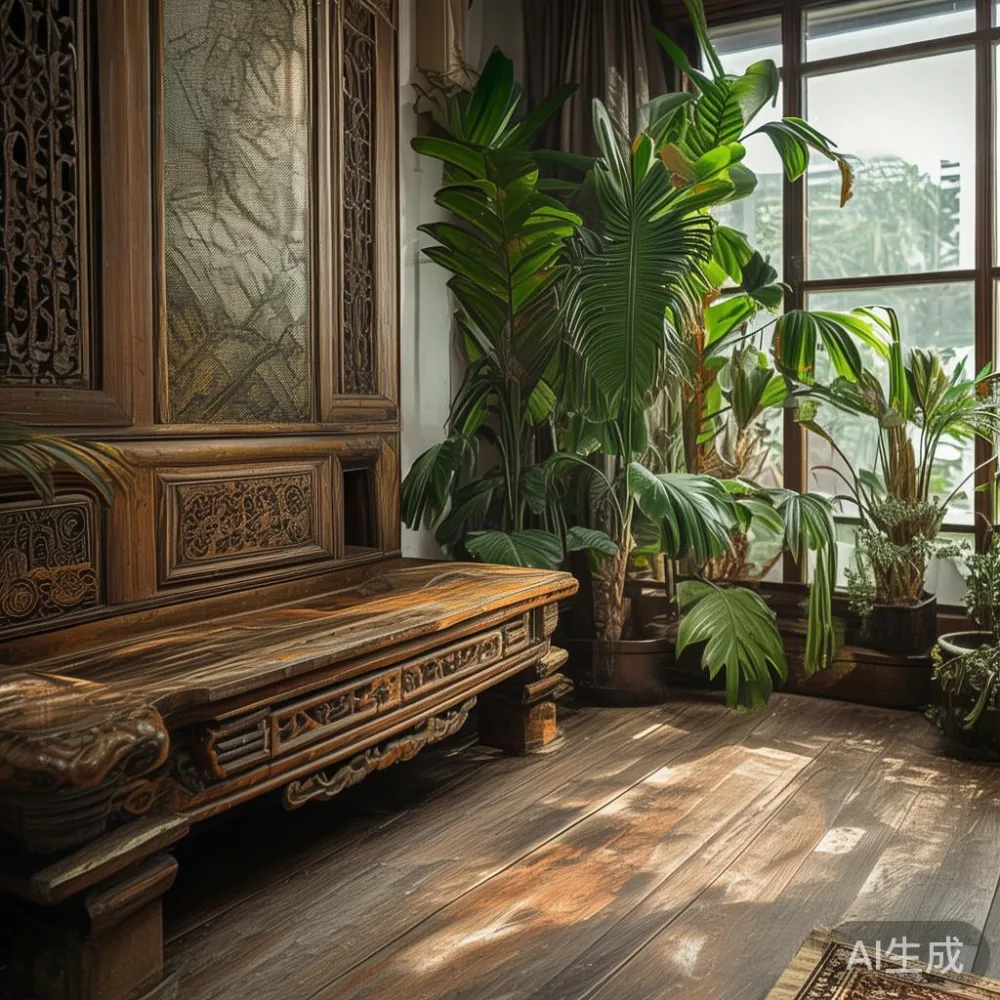
Why does lacquer behave differently in Singapore?
Lacquer is a film finish. It sits on top of the wood like a thin, breathable skin, usually between 0.08 mm and 0.15 mm thick on a factory-applied piece. When the air around it carries more than 75 percent relative humidity, the film absorbs water vapour and expands at a different rate than the solid timber underneath. Over months, this micro-expansion creates a haze known as blushing, or in worse cases, micro-cracks that look like cracked ice under raking light. In a Tampines condominium I visited last month, a 2.4 m American-style dining table had developed a 12 cm cloudy patch within ten months simply because the owners ran the air-conditioning at 22 degrees overnight and let humidity climb to 88 percent by morning. The fix is rarely complicated, but it requires understanding your microclimate room by room. A Punggol Waterway residence I inspected in May had three identical nightstands from the same Foshan batch; the one by the bathroom door had bloomed, while the two inside the walk-in wardrobe were still pristine. The 2-metre difference in placement told the whole story.
What humidity should I keep my majlis furniture at?
Target 45 to 60 percent relative humidity, measured with a SGD 22 digital hygrometer from any neighbourhood shop in Punggol or Bedok. Below 40 percent, the lacquer becomes brittle and may hairline-crack near joints. Above 65 percent, the film softens enough to trap dust and water spots. A small dehumidifier set to 55 percent will cost roughly SGD 4 to SGD 6 per day in electricity across a 90 sqm flat, which is far cheaper than refinishing a solid wood wardrobe. If you own a marble table, remember that stone is even less forgiving than lacquer: a 1.5 cm marble slab can develop a permanent watermark in 18 hours of condensation. Place a coaster under every glass, and remember that a cold glass of iced barley on a 28-degree afternoon can leave a ring within 25 minutes if the lacquer underneath is already softened by high humidity.
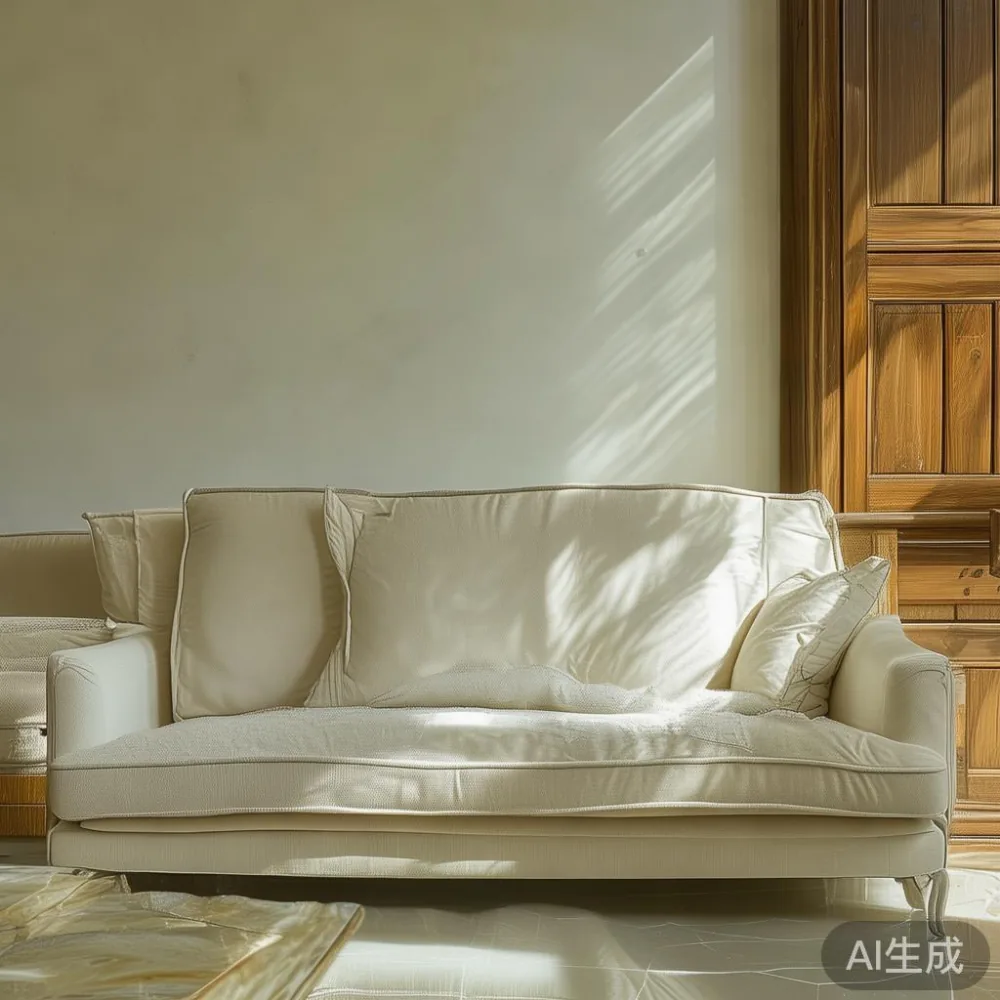
How do I clean lacquer without stripping the shine?
Use a soft microfibre cloth — the 30 cm by 30 cm type sold for SGD 8 a pack of five — lightly dampened with a 70:30 mix of distilled water and isopropyl alcohol. Wipe in the direction of the grain, never across it, and dry the panel within 30 seconds. Avoid silicone polishes, which leave a film that yellows under our tropical UV and can cost you a warranty claim. For sticky spills like kaya toast or kopi spills, blot first with a dry cloth, then clean with the alcohol mix. Never spray directly onto a bed frame or dining table; spray the cloth instead and control how much solvent contacts the finish. On a six-seat majlis-style dining table set, this routine takes about four minutes and should be done weekly.
How do I style a French provincial bed in a small apartment?
Yes, a French provincial bed works beautifully in a Singapore apartment when you keep the headboard under 110 cm tall, choose a slim 1.5 cm moulding profile, and anchor the room with one statement piece rather than a matching suite. The trick is to let the carved details breathe against plain walls — a 10 sqm master bedroom in a Punggol Build-To-Order flat can handle a 1.8 m queen bed with a 60 cm clearance to the wardrobe doors, provided the headboard is no taller than 1.05 m so it does not crowd the air-con vent. Pair the bed with a single French-style nightstand in warm white, then add a slim marble table at the foot for books, and the room reads as light-luxury without feeling cramped. Stick to two wood tones — pale ash and aged oak — and finish with brushed brass handles rather than ornate carvings, and the whole arrangement will feel post-modern light luxury rather than period pastiche. A 2.2 m x 1.6 m French provincial frame with a 2.5 cm thick bed base suits a 90 sqm HDB flat when the corridor is at least 1.1 m wide, and if you are wondering how thick should a bed base be singapore, the local convention for a queen frame is 2.5 to 3.5 cm of solid hardwood slats over a 1.8 cm plywood deck, which keeps the total sleeping height at a standard 45 cm and still survives daily use with a 120 kg load.
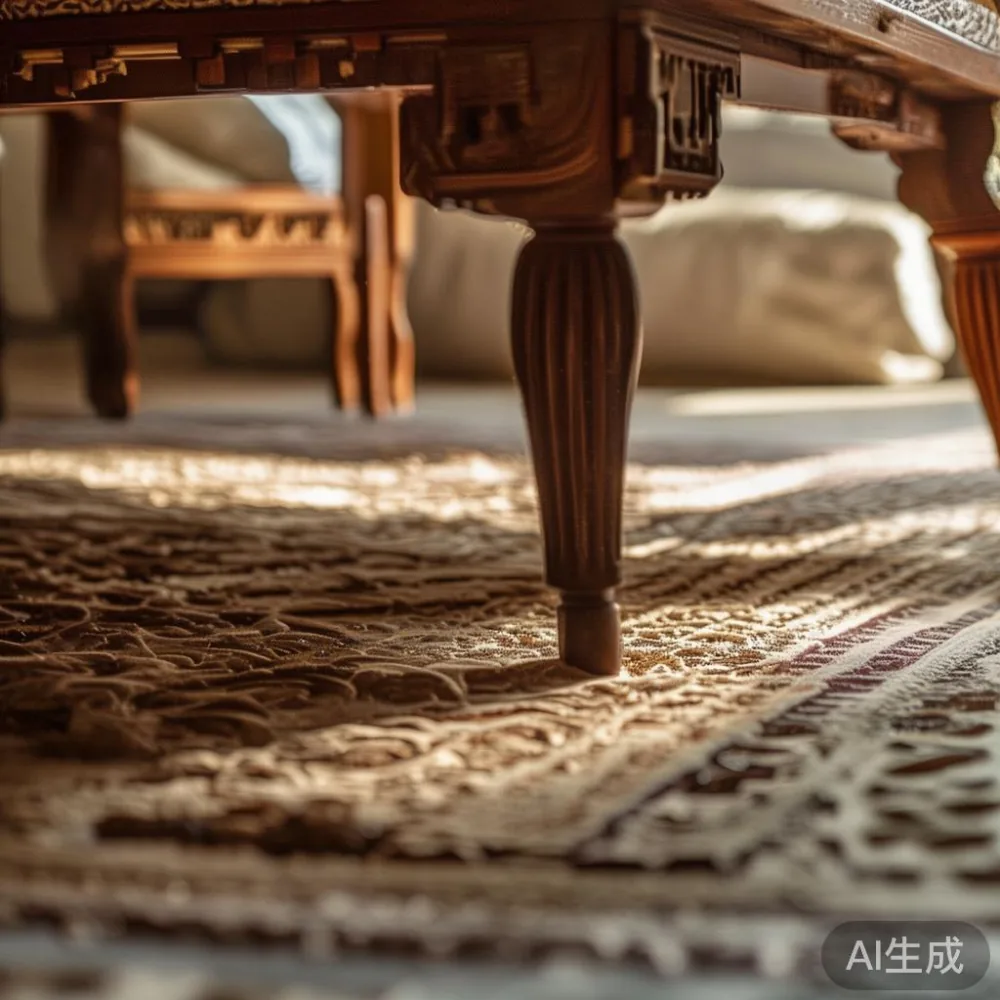
What about direct sunlight and UV damage?
UV is lacquer's quiet enemy. A west-facing window in a Bedok Reservoir block delivers roughly 800 to 1,000 lux of direct afternoon light, enough to yellow a clear lacquer by two shades within a year. Draw the curtains between 1 pm and 4 pm, or apply a 3M UV film (around SGD 18 per square metre installed) on the window. Rotate any accessories on top of a marble table or nightstand every fortnight so the fade pattern stays even, and never place a solid wood sofa directly under a window without a 1.2 m buffer. If a panel does yellow, a professional buff with 1500-grit compound followed by a fresh topcoat will restore 80 to 90 percent of the original colour at a typical Singapore workshop cost of SGD 12 to SGD 18 per square foot.
Is French neoclassical wardrobe furniture worth it in a HDB?
Yes — a French neoclassical wardrobe is worth it in Singapore when the maker uses a marine-grade, moisture-cured polyurethane lacquer over kiln-dried hardwood, because the neoclassical silhouette gives you tall, flat panels that are easier to wipe down than carved details. The value shows up in longevity: a well-built 1.8 m wardrobe from a Foshan maker like MIDHILL, where frames are dried to 8 to 10 percent moisture content before spraying, will hold its gloss for 8 to 12 years in a HDB bedroom kept at 55 percent humidity. Neoclassical lines also pair with a light-luxury aesthetic that flatters the post-modern light luxury palette popular in Punggol's newer condos — think champagne handles against warm oak, or brushed brass against a soft white lacquer body. For a 4-room flat, a 1.6 m two-door version leaves a 90 cm clearance to the bed and still swallows a full-length mirror, a safe drawer unit, and three seasons of clothing.
How do I move lacquered pieces safely through tight corridors?
Measure first. A typical HDB corridor in a 1990s block is 1.2 m wide with a 90-degree turn every 6 m; a newer Punggol executive flat can give you 1.5 m with a 3 m straight run. Always tilt, never drag, and wrap corners in 5 mm felt before the move. For a 2 m solid wood bed frame, plan two people and a furniture dolly, and budget 35 to 55 SGD for a couple of hours of helper service. MIDHILL ships flat-packed worldwide with export-grade foam and corner guards, so the lift and corridor damage that plagued Priya's table in Bedok can be avoided entirely by ordering pieces under 1.8 m long when possible. If you fall in love with a longer wardrobe or dining table, ask the supplier whether the top can detach for delivery; most Foshan factories will split a 2.4 m wardrobe into two 1.2 m halves with a hidden bolt system, a service that adds about 4 to 6 days to delivery but saves you a scratched edge.
How does MIDHILL build lacquer to survive a tropical climate?
I toured a Foshan factory floor last year with the MIDHILL production lead, and three details stuck with me. First, the hardwood billets are kiln-dried to 8 to 10 percent moisture content, then rested in a climate-controlled hangar for 14 to 21 days before any lacquer is sprayed. Second, the sealer coat is a moisture-cured polyurethane applied in a 22-degree, 55-percent-humidity spray booth, which closes the wood grain before the colour coat. Third, the topcoat is hand-buffed with 2000-grit compound and cured for 72 hours before packaging. The result is a finish measured at 0.12 mm to 0.15 mm thick — about 30 percent thicker than the 0.08 mm to 0.10 mm film on most import-grade majlis furniture. That extra 0.04 mm is the buffer you feel when you run a fingernail across a panel and cannot catch an edge, and it is why a MIDHILL lacquered dining table or solid wood bed frame can sit in a Tampines condo for ten years without the blushing I keep seeing on cheaper pieces.
What does a yearly maintenance routine look like?
Think of it as four small habits spaced across the year, each one taking less than fifteen minutes:
- January: Pull every piece 30 cm from the wall, vacuum the back panels with a soft brush, and wipe down with the 70:30 alcohol mix. Check hygrometer batteries.
- April: Inspect every joint for hairline gaps wider than 0.5 mm. Singapore is warm. A 0.5 mm gap in April often becomes a 1.2 mm gap by August.
- July: Book a 60-minute professional polish if the build finishes touch 36 months old. Budget around SGD 180 to SGD 240 for a full six-seat set.
- October: Rotate accessories, refresh the dehumidifier filter, and wipe marble table surfaces with a pH-neutral cleaner (SGD 14 a litre).
Follow those four steps and your majlis furniture should give you at least a decade of glossy service.
What should I do if the lacquer has already bloomed?
Do not panic, and do not reach for olive oil. Blushing — that white haze Priya floated — is water trapped inside the lacquer film, and it can sometimes be drawn back out. Place the affected panel in an air-conditioned room at 22 degrees and 50 percent humidity for 72 hours, with a small fan moving air across the surface. About 60 percent of light blooms I have seen clear on their own within a week. If the haze remains, a restorer can compound the panel at SGD 25 to SGD 40 per square foot and recoat. Anything deeper than a haze — peeling, cracking, or yellowing past two shades — usually means a full strip and re-spray, which runs SGD 60 to SGD 90 per square foot in Singapore. That is the price of skipping the hygrometer.
Is GST included in the delivered price for imported majlis furniture?
Yes. Every shipment into Singapore, including a flat-packed 1.8 m bed frame or a 2.4 m dining table, attracts 9 percent GST on the landed cost (item value plus shipping plus insurance). A SGD 2,400 wardrobe from a Foshan maker will arrive at your door with roughly SGD 216 added, so budget 9 percent on top of the invoice. Good suppliers quote GST-inclusive on the final invoice and offer free shipping over US$350, which converts to roughly SGD 480. Below that threshold, expect SGD 80 to SGD 160 for sea freight to Singapore, with delivery times of 18 to 28 days door-to-door from Foshan to Bedok or Punggol. Most light-luxury orders qualify for the free-shipping tier once you add a second piece, and the savings easily cover a year's first bottle of distilled water.