How Humidity Affects Solid Wood Majlis Furniture in Singapore
Singapore’s warm, humid climate can change the dimensions, movement and finish of solid wood furniture. For households in HDB flats and private condos across Tampines, Bedok and Punggol, that matters when a dining table sits near a balcony, a wardrobe stands beside an air-conditioning vent or a solid wood sofa occupies a long living room corridor. Air moisture does not simply stain timber; it can make panels swell, joints loosen, lacquer cloud and veneer edges lift.
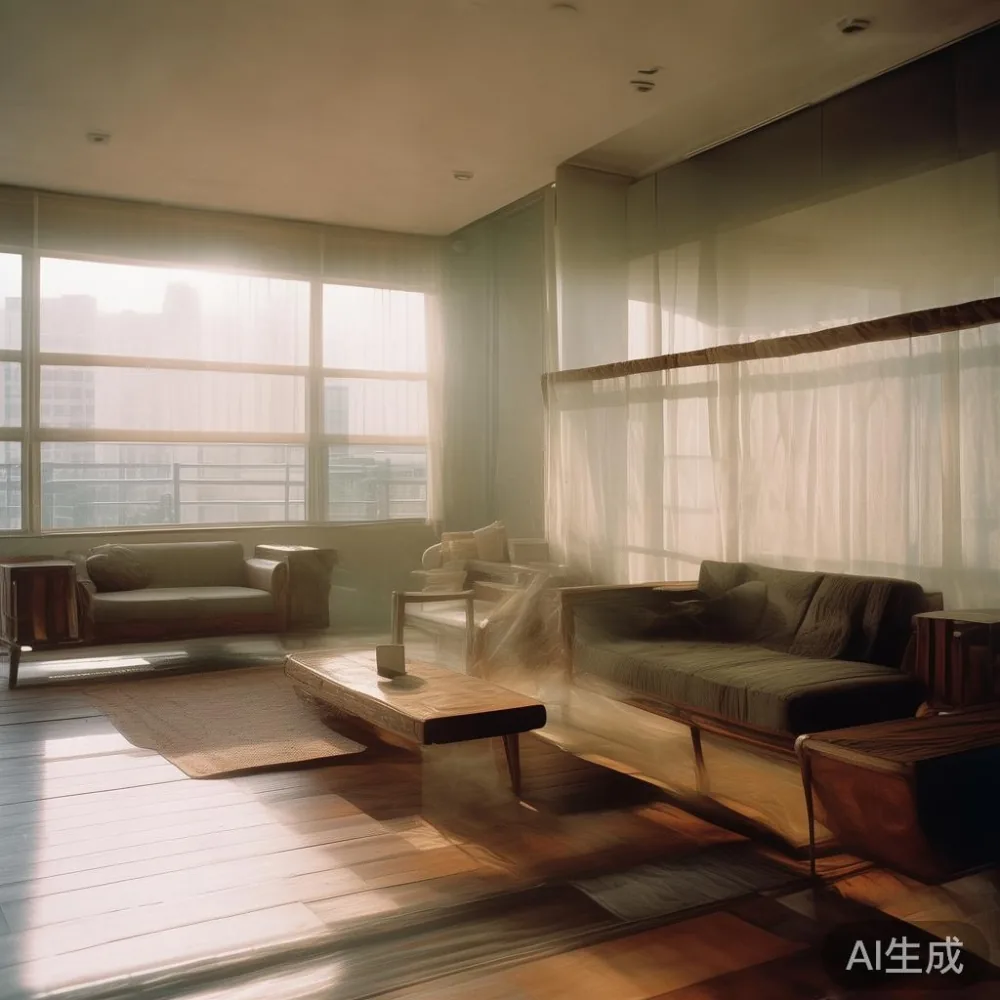
This guide explains how humidity affects majlis furniture, including solid wood sofa frames, bed frames, dining tables, wardrobes, nightstands and marble tables. It also offers practical measurements, maintenance routines and buying questions for Singapore interiors. MIDHILL has made solid wood furniture since 2008 and exports to more than 15 countries, yet its advice still begins with the conditions of a local home: useful dimensions, realistic care and furniture proportions that fit the way people live here.
How much does Singapore humidity affect solid wood furniture?
Singapore’s monthly relative humidity commonly ranges from about 65% to 85%. Short periods of higher humidity are normal, especially during the Northeast Monsoon from November to March. Air-conditioned interiors may fall to 45% to 60%, while kitchens, bathrooms and unventilated balconies can remain above 80%. Repeated movement between these zones is more demanding than one consistently humid day.
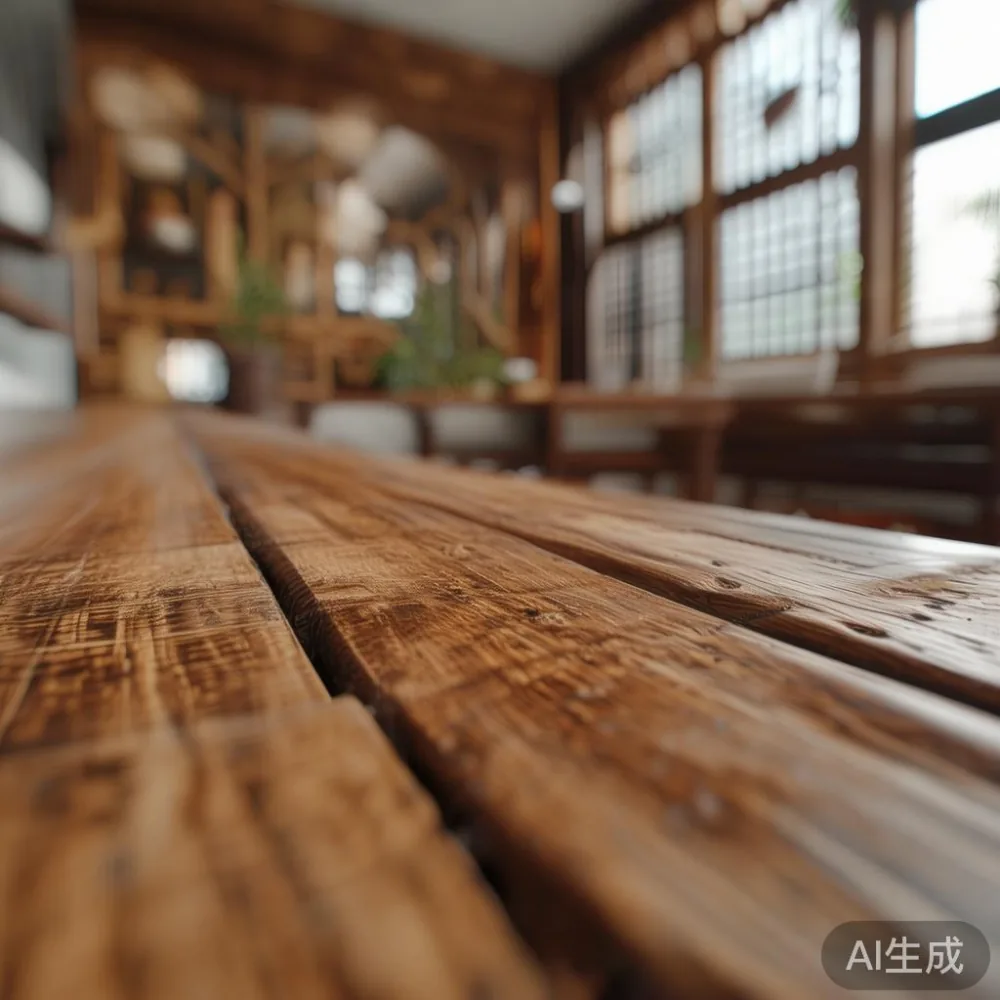
Wood responds to atmospheric moisture by expanding across its grain and contracting along it. A 180 cm solid oak dining table with an unfinished surface might move by roughly 3 mm to 8 mm across a large seasonal cycle, depending on the species and construction. A smaller 90 cm bedside table may shift only 1 mm to 3 mm. The movement is usually harmless when the furniture is designed to accommodate it; pinched joints, trapped moisture and unsuitable finishes create visible defects.
For a Singapore home, aim for approximately 45% to 65% relative humidity in living spaces, with minimal daily fluctuation. A bedroom should ideally stay near 50% to 60%. Place a calibrated hygrometer beside frequently touched furniture, not against an exterior wall. Readings above 70% for several days deserve attention, particularly for a solid wood bed frame, wardrobe or dining table close to a wet area.
Which solid wood pieces suffer most in HDB flats and condos?
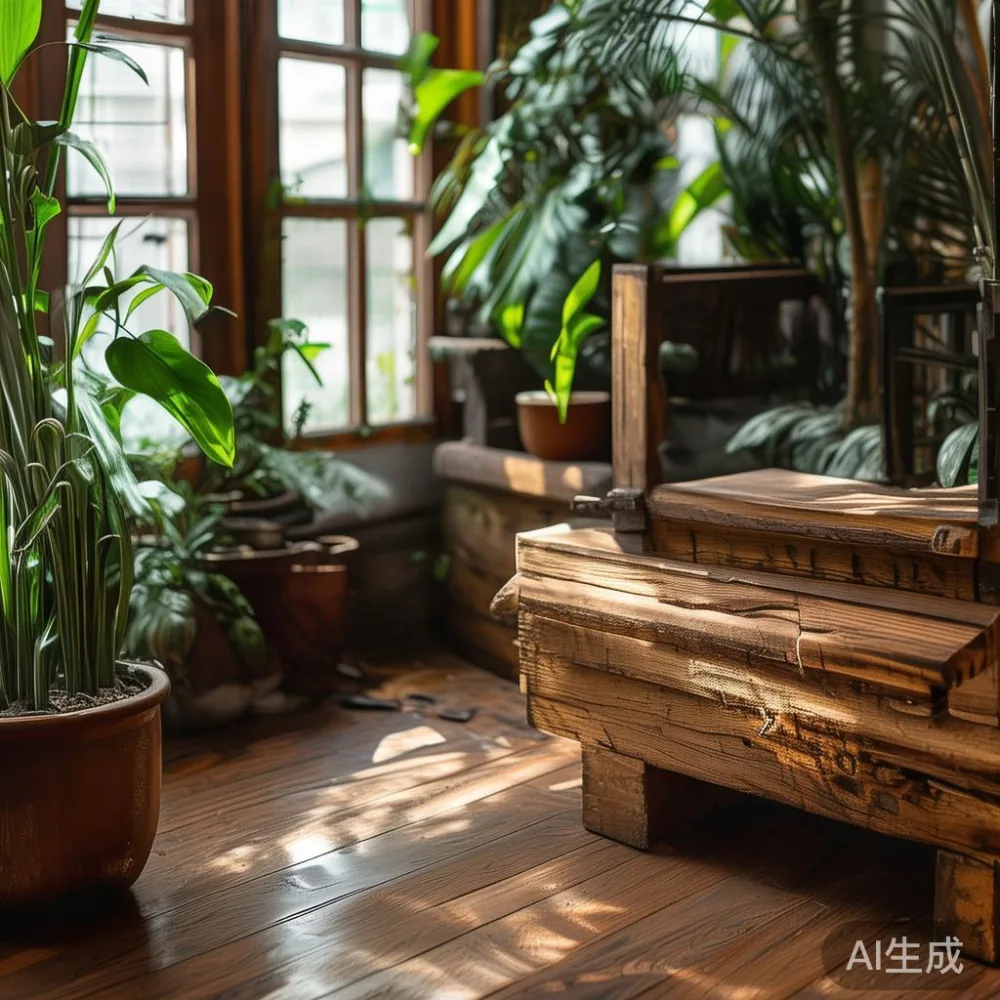
Large, flat surfaces show movement clearly. A dining table may develop faint ripples in its lacquer, a bed frame may creak as boards expand, and a wardrobe may reveal gaps around doors. Nightstands often receive the greatest exposure because they sit beside windows, air conditioners or frequently opened doors. Marble table tops react differently: humidity alone does not expand marble much, but acidic cleaners and water spots can dull the polished surface.
Construction matters as much as species. A well-made solid wood sofa uses a frame that can tolerate seasonal movement, while thin decorative panels need stable backing. A bed frame should allow air to circulate beneath the slats and avoid direct contact with concrete that remains damp. Dining tables benefit from solid timber rails, secure joinery and finishes that tolerate moisture rather than a heavy film that cracks.
Singapore’s access conditions require another kind of precision. A sofa packed for delivery should fit through a lift doorway of at least 80 cm and remain within a typical HDB lift’s load limit. A 210 cm dining table may need to be checked diagonally against the lift, while a 190 cm wardrobe may fit only if its longest carton does not exceed the lift car’s diagonal clearance. Measure the actual route rather than relying on the flat’s floor plan.
For those searching for guidance on how to style European light luxury wardrobe in apartment, pale oak, restrained fluting and warm neutral walls work well without making a 90 cm bedroom corridor feel crowded. Allow at least 60 cm in front of wardrobe doors for opening and use a shallower cabinet where circulation is tight.
What should I do when humidity reaches 70%?
Start by identifying the source rather than wiping the furniture. Check window seals, balcony doors, bathroom ventilation and laundry drying. Use an air conditioner or dehumidifier to bring the room back toward 50% to 60%. If the reading remains above 70% for 48 hours, move susceptible furniture 30 cm to 60 cm away from cold glass or exterior walls and leave a gap behind tall cabinets.
For routine cleaning, use a soft, lightly damp cloth and immediately dry the surface with a clean cotton cloth. Never soak a solid wood sofa cushion frame, bed frame or dining table. Wipe spills within 10 minutes, especially around a marble table, and keep coasters under drinks. A coaster should be at least 8 cm across for a typical tumbler.
Do not apply generic “wood polish” every week. Some silicone-heavy products create a temporary shine that attracts dust and can interfere with refinishing. If a surface needs treatment, follow the product instructions and test an inconspicuous area measuring about 5 cm by 5 cm. Re-oil a lightly finished dining table only when the timber appears dry; excessive layers can darken oak or walnut.
For wardrobes, inspect hinges every 6 months and tighten screws only when needed. A door that has swollen in humid weather may pull against its frame, but force can damage the hinge or panel. For bed frames, check fasteners at 6-month intervals and keep the area beneath the bed ventilated.
Can air-conditioning and dehumidifiers damage wood furniture?
Air-conditioning improves humidity control, but rapid temperature and moisture changes can stress furniture. A timber piece taken from a 32°C balcony into a 23°C room may experience condensation on its finish, particularly in the first 15 minutes. Let it acclimatise before wiping or unpacking it.
A bedroom dehumidifier rated for a 20 m² room is a reasonable starting point for persistently damp spaces. Keep it at least 30 cm from walls and furniture so that airflow reaches the room rather than one corner. Empty the tank every 2 days during humid periods, because a small tray does not remove much moisture. Check the hygrometer at floor level and beside the wardrobe: a difference of more than 10 percentage points may indicate poor circulation.
Protect direct sun as well as damp. UV exposure fades colour unevenly and can make a finish brittle. A solid oak dining table should sit at least 1 m from a south-facing window when possible, or use a curtain with at least 60% UV opacity. Curtains also slow heat gain near glass.
How should I place a dining table and marble table in a humid apartment?
Dining tables should have at least 75 cm of clearance behind each seated person, with 90 cm preferred for busy routes. In a compact HDB dining area, a table measuring 140 cm by 80 cm may accommodate 4 to 6 chairs, while a 180 cm by 90 cm model usually requires a room at least 4.2 m long for comfortable circulation. Avoid pushing the table tightly against a wall; rear movement and service access should remain possible.
For those considering Post-modern for dining room, sculptural legs, softened geometry and a mix of warm timber can suit Singapore’s mid-century apartment interiors without overwhelming the room. A round 120 cm dining table needs about 75 cm of clearance around its edge and can ease movement near a corridor, although it may provide less usable space than a rectangular 150 cm table.
Marble requires different care. Use a pH-neutral stone cleaner, dilute it according to the instructions and avoid vinegar, lemon and ordinary bathroom cleaners. A marble table should have coasters and should not be used as a wet-surface worktop. Wipe standing water within 5 minutes. During humid weather, keep the stone away from open windows where condensation may settle along an exposed edge.
How do wardrobe dimensions work in small Singapore bedrooms?
A wardrobe must fit both the room and the service route. For an HDB master bedroom, a 150 cm wide unit with a 60 cm depth can handle a 2 m hinged door opening if placed opposite the bed. A sliding-door wardrobe needs roughly 150 cm to 170 cm of wall length, but reduces the usable opening to about half its width. Measure the skirting board, sockets and projecting door handles before ordering.
Leave 5 cm to 8 cm above the wardrobe when it is not fitted wall-to-wall so that air can move behind it. For high humidity, 10 cm is preferable. A freestanding unit should be anchored where the manufacturer permits and should not obstruct an air-conditioner’s outlet. The same rule applies beside a bed frame: keep direct airflow away from the headboard and blanket surface.
Singapore homeowners often search for how to style American wardrobe in bedroom, especially when they want a spacious hotel-like effect. Dark timber can make a narrow room feel heavier, so balanced lighting and pale walls help. If the answer on how to style European light luxury wardrobe in apartment involves a fitted appearance, remember that a tiny expansion gap is safer than squeezing solid wood panels into a wall recess.
Which finishes age better in humid conditions?
Penetrating oil finishes generally allow a solid wood surface to move with seasonal humidity, although maintenance depends on the oil and timber. Hardwax and matte lacquer systems can also perform well when applied correctly. A thick, brittle film may show checking sooner when moisture changes quickly. The finish should be specified for the interior species and the expected humidity range.
For sofas, distinguish upholstery from the frame. A solid wood sofa with removable covers should allow the frame to dry if a minor spill occurs. Avoid placing wet laundry directly on the timber. For bed frames, use a breathable slat system and avoid sealing the underside with plastic sheeting. For nightstands, keep a 10 cm space around an air-conditioning unit and use a tray for perfume, damp towels or cosmetics.
When researching how to style European sofa in room, combine a light French-inspired timber frame with restrained upholstery and allow at least 45 cm between the sofa arm and a coffee table. French light luxury works well in Singapore when it uses warm woods, cream textiles and slim profiles rather than dense ornament. An American light luxury approach can use broader proportions, but its scale should remain compatible with a 320 cm to 380 cm living room.
How can I test a solid wood furniture supplier before ordering?
Ask for wood species, panel construction, joinery, finish type, moisture expectations and dimensions with tolerances. A credible maker should explain how a dining table or wardrobe will react to movement instead of promising that solid wood will never change. Request photos of the actual production stage and inspect corner joints, underside hardware and surface consistency.
Confirm delivery terms in Singapore dollars, including GST for display prices and any access charges. A furniture order around SGD 1,200 delivered in Singapore may include GST, while lift or corridor delivery may be quoted separately if the route is difficult. Allow 7 to 14 delivery days for a made-to-order piece and 1 to 3 days for a stocked item. Ask whether the supplier measures the lift, protects corners and returns packaging after delivery.
Warranty and after-sales support matter over a 10-year period. MIDHILL provides a 10-year structural warranty and lifetime refinishing on eligible furniture, which gives owners a route for restoring a surface after normal use. The same purchase should include a clear returns process. MIDHILL’s 14-day return period and free shipping above US$350 provide useful international purchase conditions, although Singapore orders should be confirmed with the local team for the final landed price.
What should I check during the first 30 days in a new home?
During the first week, keep the hygrometer visible and record readings once in the morning and once at night for 7 days. Note the percentage beside the dining table, bed frame, wardrobe and nightstand. The useful figure is not only the average; a spread of more than 15 percentage points indicates that doors, ventilation or air-conditioning schedules are creating frequent changes.
After 30 days, inspect joinery, drawer runners, wardrobe gaps and lacquer surfaces under daylight. A movement of 1 mm to 3 mm on a small nightstand may be normal, while a wider gap in a 200 cm dining table deserves investigation. Do not attempt to correct seasonal movement by wedging, gluing or tightening every joint. Document the issue with dated photographs and contact the maker for guidance.
For work areas, research Mid-century modern for office to find compact storage and desk dimensions suited to Singapore homes, then apply the same moisture controls. A desk should stand at least 60 cm from a window, and electronics should not trap heat against a solid wood wardrobe. Adequate spacing and controlled humidity usually protect furniture more effectively than repeatedly treating the surface.
A Modern light luxury bed can remain stable in a humid bedroom when its timber frame uses sound joinery, the mattress allows airflow and the room stays near 50% to 60% relative humidity. Combine those practical checks with a restrained design, sufficient clearance and realistic maintenance. Solid wood is not inert, and marble is not immune to stains; furniture lasts when its material behaviour is respected from the first delivery day onward.