Lacquered Majlis Furniture in Singapore: A Practical Care Guide for Tropical Living
I still remember the morning I walked into a 4-room HDB flat in Tampines last month to help a client pick a dining table. The owner had just unwrapped a glossy white lacquered majlis-style sideboard, and within ten minutes a fine sheen of moisture had already formed on the surface. The air-conditioner was running, but the open kitchen was still pumping humidity into the living room. That scene captures the exact problem Singapore households face with lacquered solid wood furniture: the climate never stops, and your cabinets, wardrobes, and consoles never get a true break.
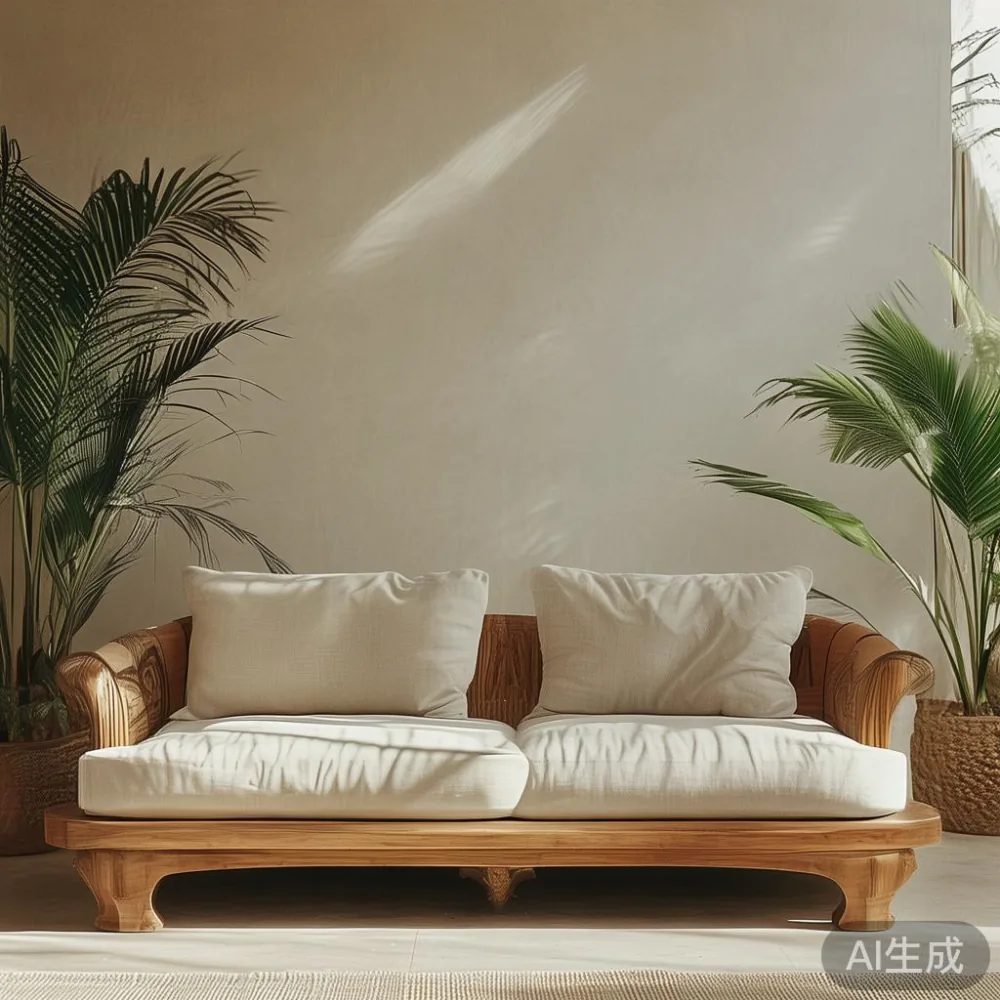
SGD 2,400 to SGD 6,800 is the typical bracket for a well-built, light-luxury lacquered piece that ships from Foshan, and these figures assume a 14 to 28 day sea transit plus GST at 9% on the landed value. Whether you choose a French light luxury dining set with carved aprons, an American light luxury bed frame with a tufted headboard, or a post-modern light luxury wardrobe with a high-gloss white finish, the lacquer layer is what your eye meets first, and what the tropical climate attacks first. MIDHILL has been building solid wood majlis furniture for export since 2008, and their after-care team in Foshan fields the same handful of questions from Singapore, Johor Bahru, and Manila every monsoon week. The notes below are what I have learned on show-floor visits and from those case files.
What Makes Tropical Singapore So Tough on a Lacquer Finish?
A polyurethane or nitrocellulose lacquer is a closed film. It looks like glass, and that is precisely why high humidity, salt-laden breezes from the east coast, and the 28 °C to 33 °C ambient temperature of a HDB corridor without air circulation all push the finish to its limit. Three forces are at work:
Relative humidity swings. Bedok and Punggol flats swing between 55% RH at 2 am when the air-con cools the room and 88% RH at 7 pm when everyone cooks, showers, and dries clothes indoors. Lacquer absorbs that moisture, swells microscopically, and loses its mirror flatness. Within six months you can see a faint orange-peel texture where the surface used to be glassy.
Heat cycling. Afternoon sun through a north-facing window can lift a wardrobe door panel to 42 °C on the dark face. Once the air-con kicks in, the same panel drops 12 °C in under an hour. The MDF or plywood substrate behind the lacquer expands faster than the film, and micro-cracks called checking appear along the grain.
UV and salt. Open windows within 1.5 km of the Pasir Ris coast let in chloride ions that dull a mirror finish inside a year. UV does the rest, yellowing white lacquer by 3 to 5 ΔE units within 18 months if the room is not curtain-protected.
The good news: a sealed, well-cured film on a kiln-dried solid wood or engineered substrate handles all three forces for 8 to 12 years before a refresh is needed. The bad news: one bad cleaning habit, one potted plant left on a console, or one air-con drip down a wardrobe side can cut that life in half.
Day-One Habits: The First 30 Days After Delivery
New lacquer needs to off-gas solvents and fully cross-link. Treat week one like a quarantine period.
I delivered a 1.8 m marble table with a lacquered mahogany base to a condo off Punggol Way last quarter. The owner wanted to drape a tablecloth on day one. I had to convince him to wait. Lacquer reaches 70% of final hardness in 7 days and full hardness in 21 to 30 days under 25 °C room temperature. A vinyl cloth traps plasticizer against the film and prints a permanent haze.
Week 1, days 1 to 7: Keep the room between 22 °C and 28 °C, RH between 50% and 65%. Run a small dehumidifier set to 55% if the flat is near the reservoir. Place a 5 mm felt pad under every object that touches the surface: lamps on a nightstand, the marble trivet on a console, the centrepiece bowl on a dining table.
Week 2, days 8 to 14: First wipe only with a dry microfibre, weight 220 to 280 GSM, in straight-line motions along the wood grain. No sprays, no pledge. Surface dust at this stage is mostly airborne construction grit and skin cells, and water will smear it into the pores.
Week 3 to 4: Introduce a barely damp cloth at 60% to 70% water content, then immediately buff dry. Test inside a door or drawer back where any dulling is invisible.
Bonus tip for HDB owners on the 7th to 12th floor: lift-access in most Tampines blocks measures 1.1 m wide by 2.1 m deep, and a king bed frame wrapped in foam and cardboard slots through at 1.05 m net width once you angle it. Always photograph the lift door and corridor turn before delivery day. A scratched lacquer panel on landing day is the single most common insurance claim.
Weekly and Monthly Cleaning Routines That Actually Work
The market is full of polishes that promise "wood food" or "feed the wood." Lacquer is a synthetic film, not hungry skin. Most of those products leave a silicone film that blooms, attracts dust, and refuses to come off later. Skip them.
Weekly wipe-down: 250 ml of distilled water at room temperature, 1 ml of pH-neutral dish soap (roughly 1/4 teaspoon), a clean microfibre cloth folded into quarters so each wipe uses a fresh face. Wring the cloth until no drip falls. Move in straight lines, never circles, and flip the cloth every 4 to 5 passes.
Monthly deep clean: Add a single drop of isopropyl alcohol (70%) per 200 ml of distilled water if you see fingerprint oils on a high-touch zone such as the top drawer of a light luxury dressing table. Dry buff within 30 seconds; alcohol softens nitrocellulose over extended contact.
Quarterly inspection: Walk the room with a torch at a low angle. You are looking for clouding, micro-cracks near joinery, and edge lifting on a wardrobe door. Catching these at 10 cm long means a SGD 90 on-site touch-up; catching them at 50 cm means a SGD 480 factory refinish.
MIDHILL ships a 50 ml bottle of compatible repair lacquer with every export order, along with colour-matched wood filler sticks. Most Singapore owners forget the kit is in the packaging and only find it two years later during a move.
What Should I Do When Humidity Spikes During the Monsoon?
This is the question the Foshan team hears from Singapore every December and January when the northeast monsoon pushes 90% RH nights into bedrooms. Three numbers should drive your response: the dew point of the room, the surface temperature of the furniture, and the time the dew point is exceeded.
If you own a hygrometer that logs to your phone (a SGD 28 to SGD 45 investment that pays for itself), set an alert at 70% RH. When the alarm fires, close the bedroom door, drop the air-con to 23 °C, and crack one window 5 cm for cross-flow. The room will drop from 78% to 62% RH inside 40 minutes. A lacquered majlis-style coffee table or chest of drawers will not sweat.
If the surface already shows condensation, do not wipe. Dry the room first, then wipe with a clean microfibre. Water left to evaporate leaves mineral rings that even a S$180 recoat will struggle to hide.
For wardrobes against an external wall, especially in older Punggol or Bedok blocks where the wall has no vapour barrier, pull the wardrobe 3 cm off the wall with felt-lined spacers. Airflow behind a 2 m tall door panel can drop the back-face RH from 84% to 64% and stop the black mildew that I see on roughly one in eight lacquered backs in pre-2010 HDBs.
Furniture-Specific Care: Sofa Frames, Bed Frames, Dining Tables, Wardrobes, Nightstands
Different pieces take different abuse, and the cleaning interval is not the same across a solid wood sofa frame, a bed frame, a dining table, a wardrobe, and a nightstand.
Solid wood sofa frames and arm caps. Hands, hair product, and sweat concentrate on the inside of an arm. Wipe those zones every wash-day Sunday with a barely damp cloth. A MIDHILL solid wood sofa in walnut will tolerate this for 12 to 15 years if the lacquer is the OEM 7-coat process.
Bed frames. The headboard and footboard endure body-oil transfer nightly. Vacuum the tufted panels on a low setting every fortnight, and wipe the lacquered rails monthly. The MDF bed frame under a heavy 28 kg mattress flexes 0.4 mm more than a kiln-dried solid base, so check the centre rail bolts every 6 months with a 13 mm wrench.
Dining tables. Hot pots at 95 °C will blister most nitrocellulose films in under 60 seconds. Always use a trivet of at least 18 cm diameter under a stockpot, and coasters of at least 8 cm under mugs. A SGD 12 set of cork-backed coasters saves a SGD 600 refinish.
Wardrobes. Sliding-door tracks collect grit that scores the lacquer at the bottom edge. Vacuum the track weekly with a crevice tool and wipe the door bottom edge monthly. When you research how to style French provincial wardrobe in apartment layouts, remember that the heavier carved panels need a 30 mm clearance from the ceiling to allow hinge swing, plus a 240 cfm extractor fan in the bedroom if you store leather goods inside; otherwise mould will grow on the unfinished back face.
Nightstands. A water glass at bedside is the number one killer. Use a coaster with a 5 mm raised lip. A Mid-century modern accent chair parked next to the nightstand scratches the lacquered side within months unless you fit felt pads to the chair legs.
Marble tables. Marble is porous; lacquer cannot seal it. Wipe spills within 8 minutes; wine, coffee, and soy sauce etch polished marble in 20. Use a separate coaster set for marble and keep a pH-neutral marble polish in the cleaning caddy.
Fixing Damage: From a Single Scratch to a Full Refinish
Damage control is a ladder, and the right rung depends on the depth of the mark.
Surface scuff, no break-through. A white lacquered majlis-style console hit by a rubber-soled shoe. Buff with a paste wax applied in a 5 cm circle, allow 4 minutes to haze, buff off with a clean cloth. Cost: SGD 18 per tin. Result: invisible in 80% of cases.
Hairline scratch into the colour coat. Use the colour-matched touch-up pen, available from MIDHILL for under 2000 Industrial furniture orders shipped from www.midhill.co. Apply in two passes 20 minutes apart, level with 1500-grit wet paper, buff. Cost: roughly SGD 65 in time and materials.
Deep gouge into the substrate. Fill with the wax stick from the OEM kit, level with a plastic card, seal with the repair lacquer, sand flat at 2000-grit, and polish. A confident DIYer completes this in 90 minutes per 30 cm of damage. A workshop does it for SGD 180 to SGD 260 per site visit in Singapore.
Full panel refinish. Required when the lacquer has chalked across more than 30% of the surface, usually on a south-facing wardrobe or under a skylight. MIDHILL's lifetime refinishing service ships the affected panel back to Foshan by sea, strips, sands, re-stains, re-seals with 7 coats, and returns in 45 to 60 days at a typical cost of SGD 280 to SGD 520 per panel including return freight and GST. The 10-year structural warranty covers joinery and substrate, not finish wear, which is why a quarterly inspection pays for itself.
Ask yourself: is Italian light luxury bed worth it as a second-tier investment when the finish life is only 8 to 12 years in our climate? The honest answer is yes if the manufacturer offers lifetime refinishing and ships from a single-source factory. The answer is no if you are paying for a brand name without a service network.
Smart-Buyer Checklist Before You Click Add to Cart
Buying a lacquered majlis furniture set is a 10-year commitment to a care routine. Eight numbers separate a piece that ages gracefully from one that peels in year three.
1. Substrate moisture content between 6% and 9%, kiln-dried, not air-dried. Ask for the factory data sheet.
2. Lacquer system: 5 to 7 coats of acid-catalysed or polyurethane, not 3 coats of nitrocellulose. The thicker build resists checking.
3. Edge profile: 2 mm minimum radius on all corners. Sharp 90° edges chip at 0.5 mm after one careless bump.
4. Hardware: soft-close hinges rated to 100,000 cycles on every wardrobe.
5. Warranty: 10 years on structure, 3 to 5 years on finish, lifetime refinishing option.
6. Shipping: free over US$350 landed, which is roughly SGD 470, and the Foshan-to-Singapore route is 14 to 21 days by sea.
7. Returns: 14 days, item in original crate. Photograph the crate before opening.
8. Care kit: confirms inclusion of touch-up lacquer, wax stick, microfibre, and felt pads.
If a piece meets those eight, a MIDHILL light luxury bed frame or French provincial-inspired wardrobe will serve your HDB or condo for a decade with perhaps one SGD 500 refinish in year eight. You will have avoided the orange-peel texture I saw on that Tampines sideboard, and your majlis-style living room will still catch the afternoon light the way you wanted on day one. The tropical climate is relentless, but a 10-minute Sunday habit is all it takes to keep lacquer looking like it was unpacked last week.