What Actually Drives the Price of Solid Wood Majlis Furniture?
Solid wood majlis furniture can look simple from across a room, yet two dining tables with similar silhouettes may differ by several thousand dollars. The visible surface is only one part of the price. Timber grade, joinery, dimensions, finish, hardware, labour, packaging and delivery all affect the final figure. For Singapore buyers furnishing HDB flats in Tampines, Bedok or Punggol, delivery logistics can matter as much as the furniture itself: a 180 cm wardrobe may fit a normal lift, while a 240 cm wardrobe may not.
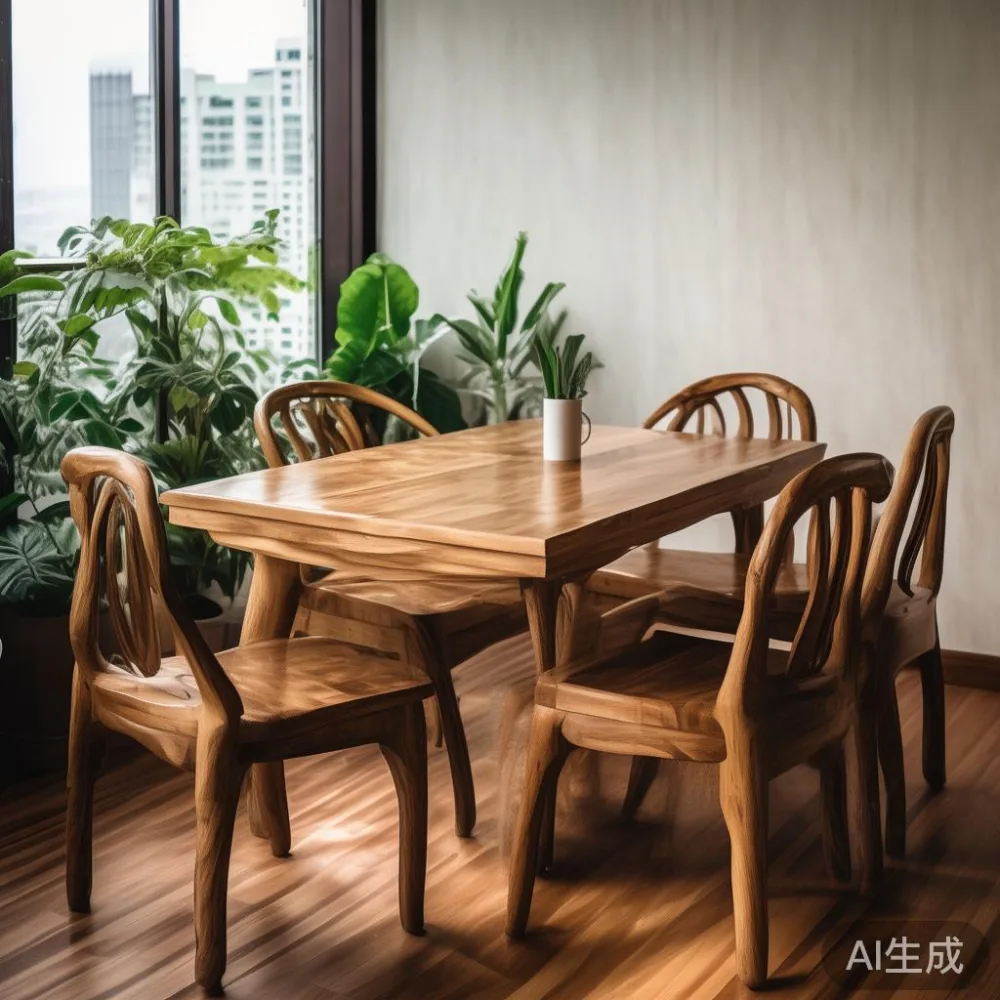
This guide explains where solid wood furniture prices come from, where shoppers can spend more meaningfully, and where specifications can look impressive without improving daily use. MIDHILL has exported solid wood majlis furniture to more than 15 countries since 2008, but product value should still be judged piece by piece rather than by a brand name alone.
Why do two solid wood dining tables have such different prices?
The answer begins with the timber. Solid hardwood and solid softwood are not interchangeable materials. Species such as oak, ash, beech, rubberwood, pine and mahogany vary in density, grain, durability and preparation requirements. A 200 cm dining table may use around 70–110 kg of wood depending on its construction. An engineered panel may weigh only 35–60 kg, but it is not solid wood throughout.
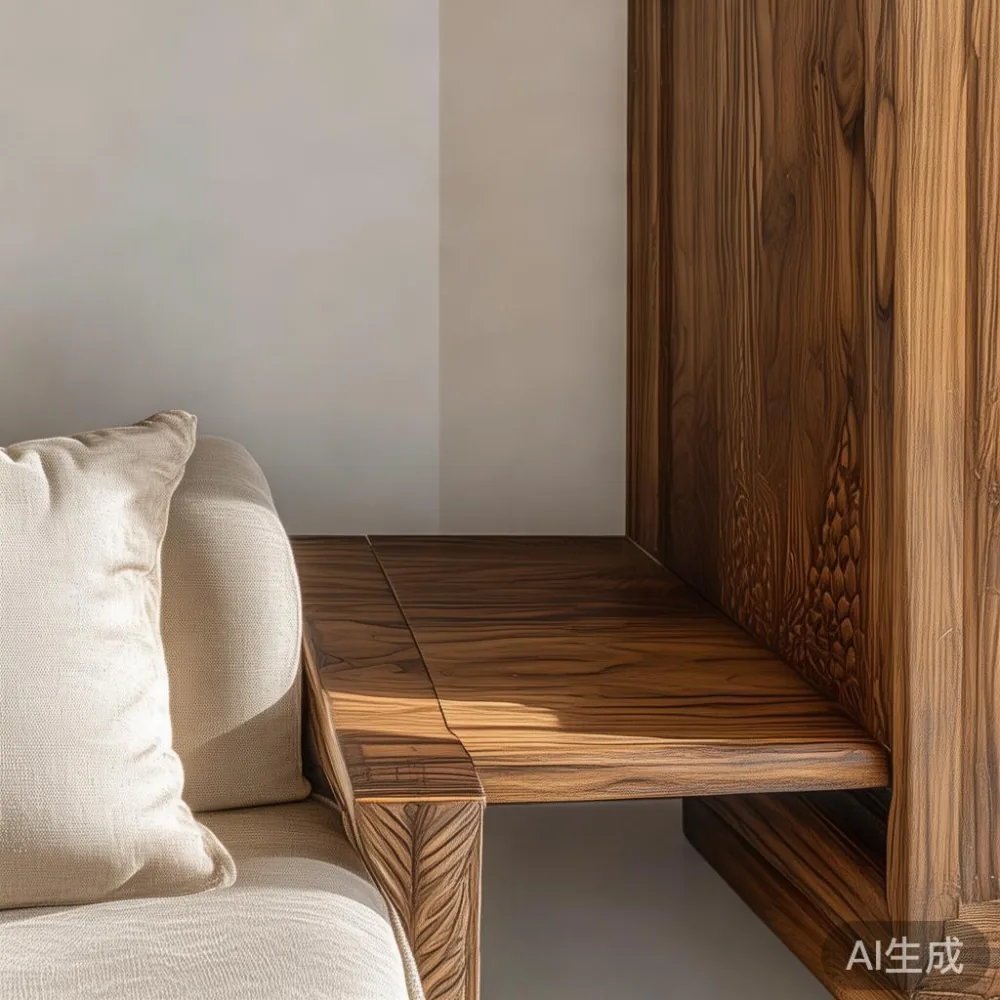
Grade is another price driver. “Solid wood” describes construction, not a single quality level. Select-grade boards with tighter grain, fewer knots and more consistent colour require better raw material and careful selection. Lower-grade areas may be hidden inside aprons or beneath table leaves. Ask for a species name, board thickness and photographs of the underside. Clear specifications make comparisons fairer.
For a Singapore home, the dining table should also be measured against real circulation routes. A 180 cm table seats six people and may occupy 270–320 cm of usable floor space once chairs are added. A 200 cm table needs roughly 300–360 cm. In many HDB dining rooms, 140–160 cm is easier to manage than 200 cm, especially where the kitchen opens directly into the dining space.
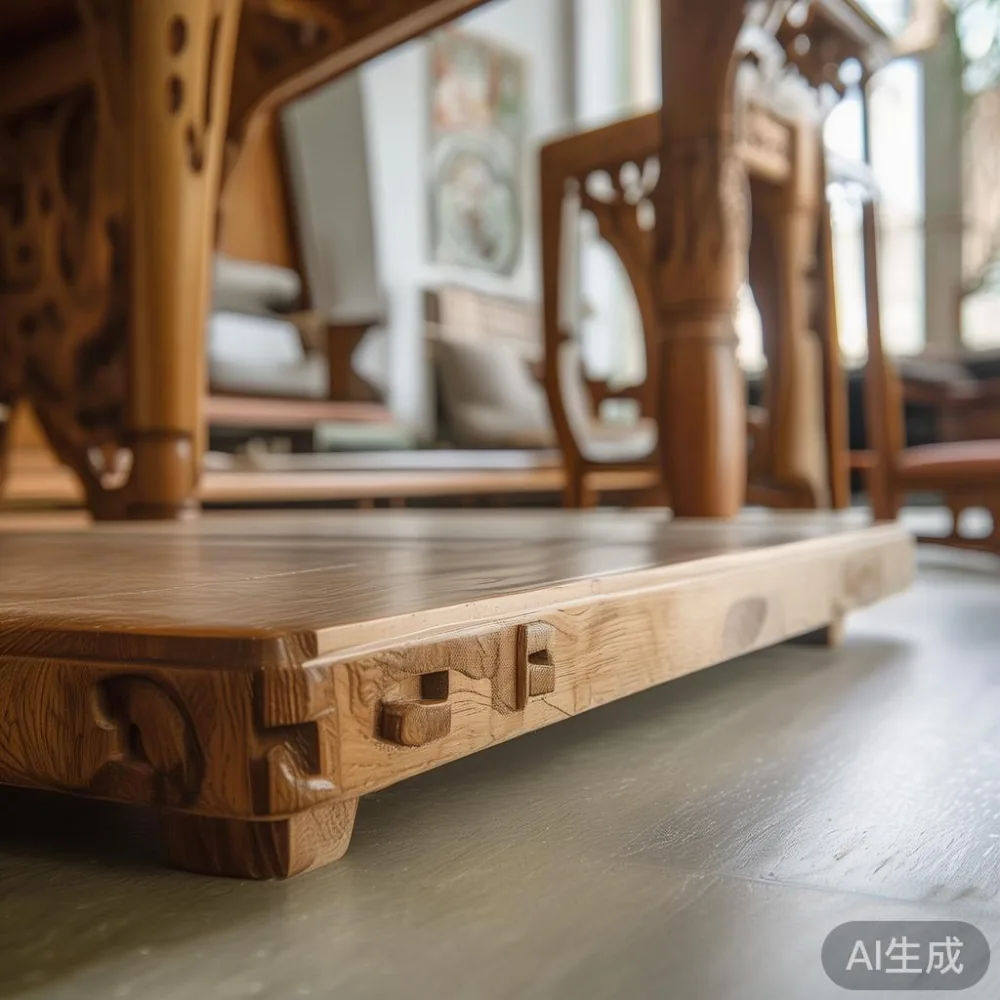
Mortise-and-tenon joints, dowelled construction and solid hardwood legs generally cost more to produce than basic screw-and-cam assembly. They can improve serviceability, but they are not the only indicators of quality. Check whether the top is at least 20–25 mm thick, whether it can be refinished, and whether expansion gaps have been designed into a solid timber surface.
Is solid wood automatically more expensive than veneer or engineered wood?
Usually, yes, but the final price still depends on specification. A well-made solid wood bed frame or dining table uses more timber and more fabrication time. Veneer can offer convincing grain at a lower material cost, while engineered wood provides repeatable strength. Neither category should be dismissed, but both should be described accurately.
Consider a typical bed frame. A queen bed requires a mattress area of approximately 152 cm by 190 cm in Singapore. The outer frame may measure 165–175 cm wide and 205–220 cm long. A 30–40 kg frame made from kiln-dried hardwood should feel different from a 15–25 kg frame made mainly from particle board or thin veneer. Yet weight alone is not a quality certificate: dense design, hidden fillers and oversized packaging can distort the impression.
Solid wood wardrobes deserve the same scrutiny. A 150 cm three-door wardrobe may require 50–90 kg of timber and usable internal depth of 55–62 cm. A 220 cm four-door model can exceed 110 kg. More doors mean more hinges, handles, alignment work and packaging. The cost of sliding doors may be lower in hardware, but the loss of access can matter in compact bedrooms.
Compare drawings and material schedules, not photographs alone. Ask whether panels are solid, veneered or engineered; whether back boards are 9–12 mm; how drawers are suspended; and what warranty covers. MIDHILL offers a 10-year structural warranty on qualifying solid wood furniture and lifetime refinishing, but warranty terms should be read with the actual product specification.
What makes a light-luxury solid wood sofa cost more?
A sofa price is driven by the frame, filling, upholstery and labour—not by the word “luxury.” A solid wood sofa with kiln-dried hardwood rails, corner blocks and glued-and-screwed joints can cost more than a decorative model because more timber enters production. Density alone does not guarantee comfort: seat density, foam thickness and suspension design determine whether a sofa feels supportive after five years.
Upholstery is often the largest variable. A three-seat sofa with 40–45 cm seat depth may use 18–30 kg of cushioning and filling, depending on the construction. Full leather, high-quality fabric and multilayer foam systems require different labour and raw-material budgets. Removable covers, piped edges, channel tufting and hand-finished arms add further hours.
For HDB living rooms, a 190–210 cm sofa is often easier to move through corridors than a 240 cm model. Check the sofa’s packed dimensions, not just its showroom dimensions. Doorways in older blocks can be around 80–90 cm wide, while lift cars may measure roughly 90–110 cm across and 130–150 cm deep. A sofa can be delivered if it clears the route, but turning corners and carrying it up stairs may require extra labour.
Design language also affects pricing. American light luxury often uses generous proportions, deep cushions and a substantial silhouette. French light luxury introduces carved details, curved arms or tapered legs. Post-modern light luxury mixes clean planes with selective curves. Style does not guarantee construction quality, so the frame specification still comes first.
For buyers comparing references, american sofa set design is useful for understanding broad, comfort-led proportions. Questions such as light luxury sofa vs Nordic sofa usually lead to a comparison between deeper, more sculptural forms and simpler profiles. The MIDHILL French provincial sofa combines a decorative profile with solid wood construction, which explains why it sits above a basic flat-pack model in cost.
How do I choose a French provincial bed without paying for decoration alone?
Understanding how to choose French provincial bed starts with the frame and the room. A queen mattress needs a little more than 152 cm by 190 cm, plus structural clearance. Headboard height can reach 100–130 cm in French provincial designs. Before purchasing, mark the headboard on the wall with tape and check whether it conflicts with a window, air-conditioning unit or nearby wall-mounted socket.
Curved headboards and shaped legs add machining and hand-finishing time. Turned posts, carved motifs and distressed paint require more steps than straight square profiles. However, the parts hidden from view still matter: centre support legs, a slat spacing compatible with the mattress, screw placement and the stability of the headboard connection.
For a 160 cm bed frame, ask about a centre rail and support legs rather than relying on the perimeter alone. A slatted system may support a mattress differently from a fitted plywood base. If using a mattress supplier’s floor-sprung model, confirm the recommended slat centre spacing and any ventilation gap under the bed.
For smaller bedrooms, how to style French provincial sofa in bedroom is less about matching every piece and more about balancing visual weight. A pale upholstered chair, one marble table and simple bedding can prevent the room from becoming overly ornate. Keep circulation between the bed and wardrobe at about 60–90 cm where possible, and leave space for wardrobe doors to open.
Do marble, nightstands and finish choices change the final price?
A marble table introduces a different cost structure. The material may be genuine marble or engineered marble; both should be identified clearly. Natural slabs vary in veining, thickness and waste, while engineered marble has a more uniform appearance and often a lower material cost. Stone top, base material, edge profile and protected delivery all influence the quote.
A 100 cm marble table may weigh 45–80 kg depending on the stone and whether it is solid or composite. It should be delivered with a protected top and, where required, separated from its base for installation. Never assume a lift crew will carry a heavy tabletop upstairs without checking access in advance.
Finish can alter price by 5–15% across many furniture categories. Clear lacquer may require fewer preparation coats than a deep stain, painted finish or wire brushing. Open-pore hardwood can show grain and small marks; a thick film can make the surface look smoother but harder to repair. Refinishing is valuable because it allows a surface to be restored rather than replaced. MIDHILL’s lifetime refinishing service is one example of a long-term ownership benefit, subject to the stated service terms.
Nightstand prices vary with drawer boxes, hidden storage and hardware. A 45–55 cm nightstand at 35–50 cm high should allow a charger, glass of water and a book without crowding the bedside. Solid hardwood drawer boxes with dovetail joints generally require more labour than simple plywood boxes. Smooth runners and soft-close hinges improve daily use, but premium branding on a mechanism does not necessarily improve the cabinet joinery.
How much do Singapore delivery, GST and returns affect the purchase price?
Before GST, a solid wood dining table might be quoted at SGD 1,600, a queen bed frame at SGD 1,250 and a wardrobe at SGD 2,400. At the prevailing 9% GST, these become approximately SGD 1,744, SGD 1,363 and SGD 2,616. Prices shift with timber costs, so verify the current figures at order rather than relying on an old online screenshot.
Delivery within Singapore commonly takes 3–14 calendar days for stocked or standard items, while made-to-order pieces may require 6–10 weeks. The difference can matter when an HDB flat is being handed over on a fixed date. Check whether the quoted delivery includes carrying, unpacking, assembly and placement. A lift surcharge may apply for oversized items, and extra manpower may be needed if there is no lift.
Measure the lift door, lift car, landing, corridor turns and the apartment entrance. For a 220 cm wardrobe, a sectional design may be more practical than one large rigid carcass. For a dining table, compare the top’s longest packaged dimension with the lift’s diagonal clearance and corridor width. A furniture company may recommend a split top, but modification should happen before finishing, not after delivery.
MIDHILL provides free shipping on qualifying orders over US$350, which is useful for international buyers but should not be mistaken for an unlimited Singapore delivery allowance. Singapore orders should be confirmed with local terms, including GST, access charges and the 14-day returns period. If a piece is custom-sized or specially finished, confirm return eligibility before paying the balance.
Where should Singapore buyers spend more—and where can they save?
Spend more on the load-bearing structure: hardwood rails and legs, secure joints, stable drawer suspension, a well-supported bed base and a finish that can be maintained. These features affect safety, longevity and repairability. A solid wood sofa can remain useful for 10–15 years when its frame is sound, while surface coverings may need replacement sooner.
You can control cost by choosing standard dimensions, simpler profiles, a restrained finish and a table size suited to the room. A 160 cm dining table may cost SGD 700–1,100 less than a decorative 200 cm version without making the smaller room less comfortable. For wardrobes, reducing an oversized width may save more than replacing premium handles with basic ones.
Watch the trade-offs. A solid wood nightstand at SGD 320–520 may last longer than a low-cost particle-board unit at SGD 120–200, but only if the drawer construction is sound. A sofa with a hardwood frame at SGD 1,800 may be more durable than a heavier decorative model at SGD 2,600 with weak internal supports. Price per kilogram is therefore a poor buying rule; price per verified specification and usable dimension is much more informative.
Last month I visited my colleague’s new three-room flat in Punggol and helped test the route for a 210 cm solid wood sofa. The lift door measured 88 cm, the corridor had a tight 96 cm turn, and the sofa’s longest carton was 218 cm. The furniture was delivered in two sections, assembled in the living room and positioned without scraping the corridor walls. It was a useful reminder that a product can be well made and still unsuitable for a particular access route.
The fairest way to read a solid wood furniture quote is as a system. Timber, dimensions, construction, finish, hardware, logistics and after-sales care combine to produce the number. For majlis furniture, those comparisons should focus on how the piece will work in a Singapore home: clearances of 60–90 cm, realistic lift dimensions, 9% GST, delivery timing and a documented structural warranty. Price is not a substitute for fit; it is the result of many decisions about how the furniture is made and supported.