Majlis Furniture: How to Care for Lacquered Furniture in a Tropical Climate
Singapore’s warmth, humidity, and abundant daylight can be demanding on lacquered furniture. In an HDB flat in Tampines, a lacquered solid wood sofa may sit near windows that receive direct sun for 3 hours each afternoon. In a Bedok condo, a glossy dining table may face sea air and air-conditioning that cycles on 18 times a day. Over 12 months, those conditions can cause fading, dulling, small bubbles, or cloudy patches if the finish is not protected.
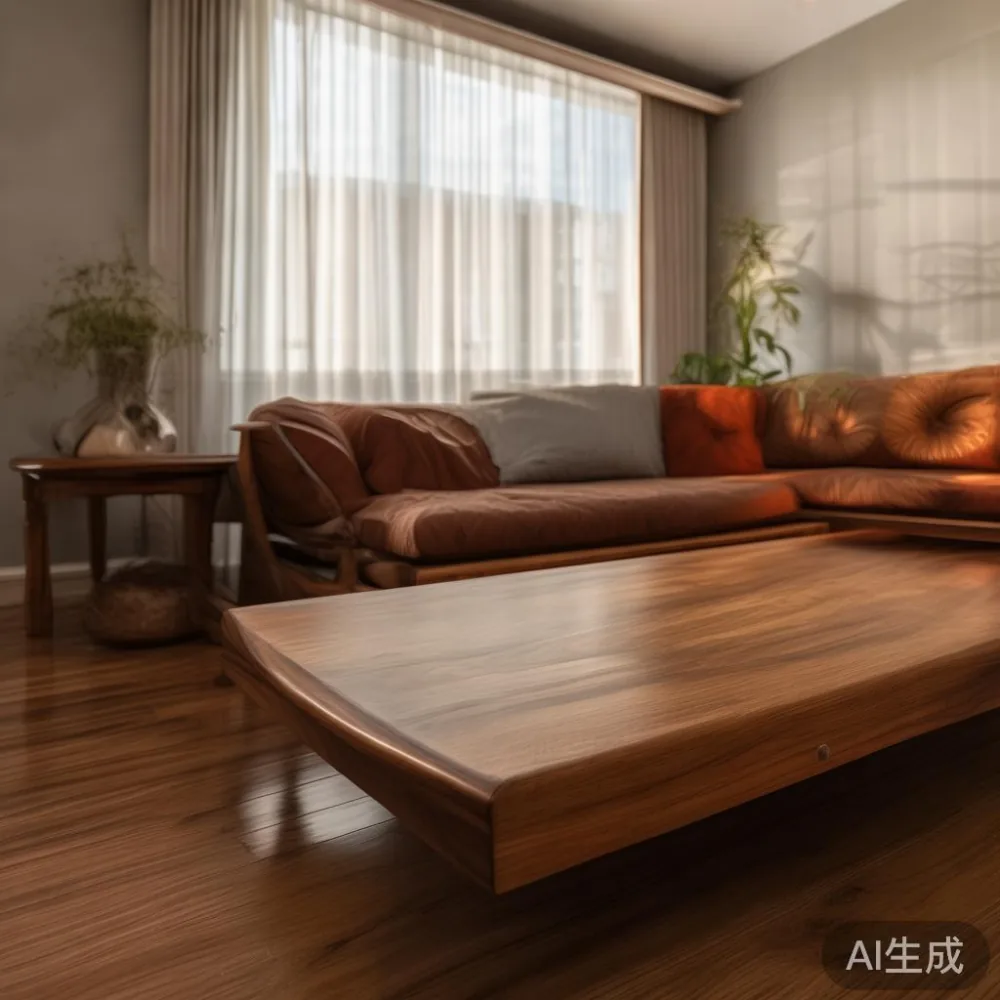
Lacquer can give a solid wood sofa, bed frame, wardrobe, nightstand, or dining table a refined depth, but it still needs a sensible care routine. The aim is not to create a showroom that nobody can use. It is to preserve the colour, sheen, and smooth touch that make lacquered majlis furniture comfortable in an everyday home.
MIDHILL designs lacquered pieces for demanding interiors, with a 10-year structural warranty and lifetime refinishing support. A 180 cm dining table, for example, should be maintained with the same discipline as a 150 cm nightstand: stable humidity, careful cleaning, and immediate attention to spills. Singapore’s soft furnishings and heavy-use rooms require more care than a dry European showroom, not less.
What is lacquer, and why does tropical humidity affect it?
Lacquer is a liquid finish applied in thin layers over prepared timber. A typical lacquer system may include primer, colour coats, and a clear topcoat, with total film thickness around 0.4–1.0 mm. The result resists many ordinary marks and allows the wood beneath to remain visible, although darker colours can hide grain more than natural oils do.
Wood naturally moves as its moisture content changes. In Singapore, relative humidity may range from 55% to 85% over a day, while indoor surfaces can heat to 34°C beside a west-facing window. A solid wood bed frame may expand by several millimetres across its width during high-humidity periods, while a wardrobe door can warp slightly if its edges are repeatedly dampened.
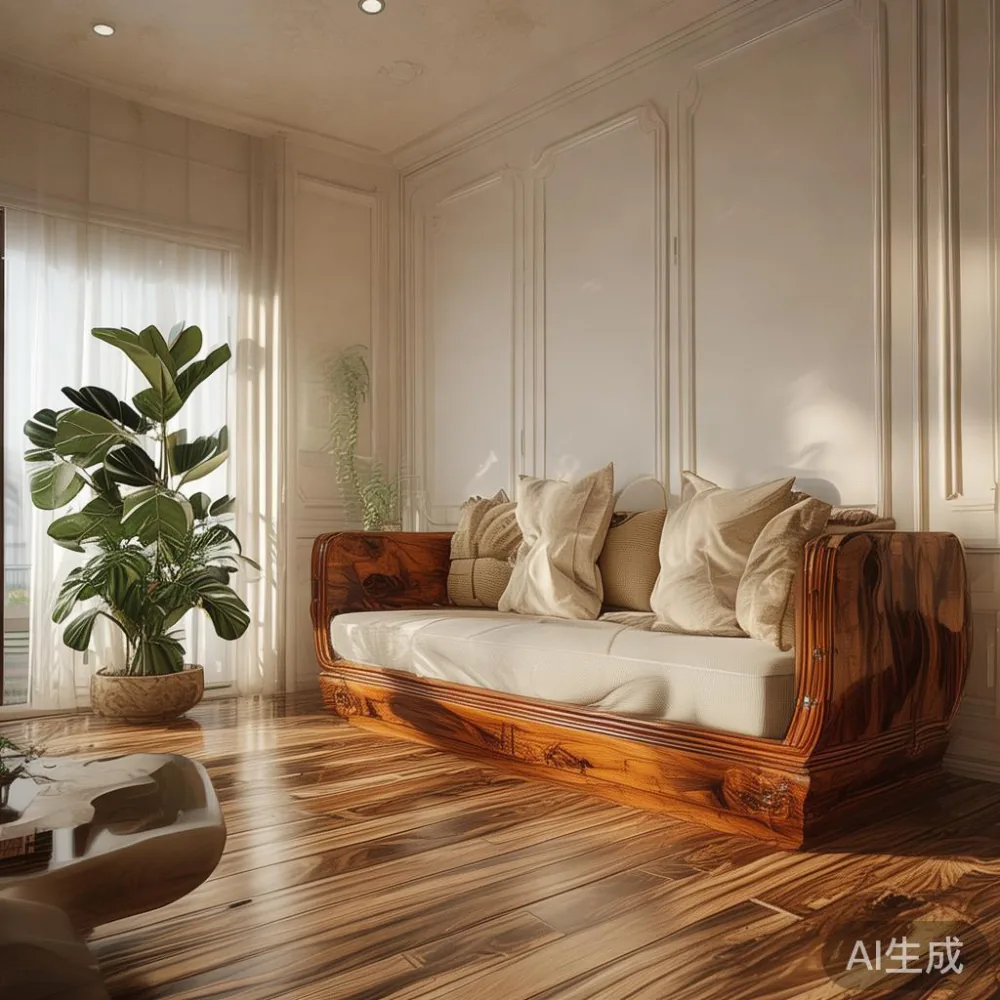
Good lacquer is not automatically immune to this movement. Heat and moisture can soften the film, reduce gloss, or encourage a small bubble where moisture has entered a damaged area. Direct ultraviolet exposure may yellow a pale finish by 2–4 shades over several years. A kitchen-adjacent majlis dining area is also vulnerable to steam, oily food, and frequent wiping.
For those comparing proportions and construction, the question of how to choose European sofa involves more than arm style. Check whether the lacquered frame can expand without forcing joints, whether the feet are moisture-resistant, and whether the finish has been tested for the room’s expected humidity.
What is the correct daily care routine for a lacquered surface?
Start with what you remove from the surface. A clean cloth prevents grit from becoming abrasive. Dust a lacquered wardrobe with a soft microfibre cloth every 7 days, moving lightly along the grain of any exposed timber. Vacuum the seams of a solid wood sofa every 1–2 weeks, using a 120 W handheld vacuum with suction reduced to 60% around cushions and lacquered edges.
For a dining table or marble table, wipe crumbs away promptly, then use a separate damp cloth rather than spraying cleaner directly onto the top. A 30 cm square of mild pH-neutral soap diluted in 1 L of lukewarm water is enough for routine cleaning. Wipe again with a clean, barely damp cloth and dry with a soft cotton towel. A marble table needs special attention because acidic liquids can etch its surface, but its lacquered wooden base should still be kept dry.
Do not use household bleach, ammonia, alcohol, abrasive pads, or scrubbing brushes. Even when a label says “spray and wipe,” test it on a 10 cm area hidden beneath the table for 24 hours. The simple rule is less moisture, more pressing: the cloth should be damp, never dripping.
Coasters and pads matter in a tropical home. Use 8–12 cm coasters beneath glasses and a 30 × 20 cm board beneath a hot serving dish. A mug may reach 70°C, while a laptop charger can reach 45°C. Repeated heat exposure can leave rings that are difficult to remove. Felt pads under décor also stop hard objects from scratching lacquer.
How should I clean lacquered furniture without damaging the finish?
Spills should be treated within 5 minutes. Blot rather than rub, especially with oil, red curry, or soy sauce. A lacquered solid wood dining table in a Punggol kitchen may need several cleanings after dinner each day, and a lacquered nightstand beside a bed may collect lotion, water, and medication residue.
Use this 4-step method:
1. Remove the residue. Lift dry crumbs with a microfibre cloth. For oily marks, place one drop of mild dish soap on a 20 × 20 cm cloth and dampen it with about 2 ml of water.
2. Test the area. Wipe a 10 cm section and wait 15 minutes. If the finish becomes dull, cloudy, or tacky, stop and consult the furniture maker.
3. Clean with light pressure. Wipe in straight strokes rather than circles. A lacquered bed frame should be cleaned around joints without soaking the timber.
4. Dry fully. Buff with a clean cotton cloth after 2–3 minutes. Do not leave a damp patch in a wardrobe corner, where trapped moisture may encourage mildew or finish defects.
Last month I visited a client’s 3-bedroom HDB flat in Bedok and tested a finish-care routine on a 90 cm lacquered bedside cabinet. The family had been using a damp household spray every 2 days, and the surface had developed a hazy film. After 4 gentle cleaning sessions over 10 days, with the cabinet kept away from the air vent, the gloss became noticeably clearer. The experience reinforced that aggressive “cleaner equals better” assumptions can make lacquer worse.
For buyers comparing bedroom furniture, the American bed vs Nordic bed comparison often focuses on lines, slat support, and joinery. Lacquer care should also be part of the decision. A solid wood bed frame with sealed edges may be easier to maintain than a design that leaves much of its structure exposed to humid air.
How do I protect lacquer from sunlight, heat, and condensation?
Keep lacquered furniture at least 60 cm from a window when possible, and at least 1.2 m from an air-conditioning unit or floor vent. Direct airflow can swing a wardrobe door by 5–10 cm each time the system starts, stressing hinges over time. In lift corridors and shared entrances, furniture is also exposed to rain before it reaches the home. Cover a lacquered dining table during unpacking, and acclimatise solid wood pieces for 24–48 hours in a stable room before tightening final fittings.
Singapore’s midday UV index often reaches 11–12. Curtains, blinds, and UV-filtering film reduce fading without blocking daylight. Apply film rated for at least 99% UV blockage, and clean internal glass twice yearly so the film continues to perform. Rearrange small pieces every 2–3 months so the same section of timber is not continually exposed.
For condensation, watch the wall behind a wardrobe in an older flat. If the wall remains damp for more than 20 minutes after a cold drink is placed nearby, improve ventilation and maintain a 5 cm gap. A lacquered bed frame should not touch exterior walls, while a nightstand should have enough space for air to circulate around all 4 sides.
Light-luxury styling can work well with this care plan. French light luxury might use a 160 cm solid wood sofa in warm ivory, a 120 cm dining table, and restrained brass details. American light luxury suits broad profiles and darker lacquer. Post-modern light luxury can pair clean lacquer planes with curved timber. In every case, the finish should feel calm rather than mirror-like and immaculate.
Can lacquer be repaired once scratches, bubbles, or dull patches appear?
Small marks need different responses. A superficial scratch under 1 mm can sometimes be reduced with a lacquer-safe polishing cloth used in straight strokes for 30–60 seconds. Test the cloth on an unseen area first, because some polishing products contain silicone or solvents that create a haze.
Do not place a hot iron, hairdryer, or heat gun directly on lacquer. Heat above 60°C can soften the coating, and a hairdryer used for 10 minutes may leave a permanent oval. For deeper scratches, bubbles, lifting, or whitening, stop DIY repair. Photograph the affected area in natural light, measure the damaged zone, and contact the manufacturer.
MIDHILL offers lifetime refinishing support for eligible lacquered pieces. Refinishing may involve cleaning, blending, or recoating the affected panel, depending on the extent of damage. The furniture should be assessed rather than assumed to need a complete surface replacement. A 210 cm wardrobe with 1 bubble needs a local repair; widespread lifting across 2 m² may require a different process.
Buyers researching silhouettes may search for the best Vintage bed for 2026 or the best European wardrobe for 2026. These phrases can inspire a design direction, but the finish specification matters more than a trend label. Ask whether the lacquer is water-based, how many coats are applied, whether all faces are sealed, and what repair support is offered after delivery.
How do I move lacquered furniture through Singapore HDB flats and condos?
Measure before booking the service lift. A standard HDB lift may have an internal door width of about 90 cm and a depth of 140 cm, although block-specific dimensions vary. A condo service lift may accommodate a 120 cm corridor turn but not a 210 cm wardrobe on its longest diagonal. Check the actual route from the loading point to the unit, including the lobby, parking ramp, corridor, and door.
For a solid wood sofa, remove the cushions and protect each component separately. A 220 cm three-seat sofa may weigh 75–95 kg, so a 3-person move with straps is sensible. Carry the base and back section separately if required. For a bed frame, label every connector and bag the hardware. A 160 cm bed frame may use 12–16 bolts; loose hardware in a corridor creates a safety risk.
Use a padded blanket of at least 5 mm thickness around lacquered edges. Do not rely on cling film alone: adhesive can leave residue or pull at a finish. Secure wrapping with soft straps, and keep the item upright when the design allows. A lacquered dining table should be lifted from its solid wood base or sturdy trestle sections, not by a decorative apron.
Delivery charges in Singapore are commonly quoted in SGD. A single-piece delivery within an HDB block may cost SGD 30–80, while a 3-room flat move of a bed frame and nightstands may cost SGD 120–250, subject to lift and corridor access. These figures vary by operator, stairs, and timing, so request a written quotation before the move.
What should I know before buying lacquered majlis furniture?
Lacquer is a finish, not a guarantee against humidity. Check the lacquer system, edge sealing, drawer movement, and after-sales care before paying a deposit. A 1.5% deposit on a SGD 4,800 dining table is SGD 72, and Singapore GST is added at the prevailing rate to taxable supplies. Confirm whether the displayed price includes GST and delivery.
Ask for care instructions specific to the colour and finish. Dark lacquer may show fine dust, while pale lacquer shows yellowing and water marks. High-gloss surfaces reveal fingerprints, whereas satin lacquer can disguise minor wear but may polish differently. Request a 20 × 20 cm finish sample if possible, then observe it beside your windows for 48 hours.
Measure the room, not just the furniture. A 200 cm dining table needs at least 90 cm on each short side for chairs and circulation, while a 180 cm solid wood sofa benefits from 45–60 cm of clear walking space. A 120 cm wardrobe can dominate a narrow bedroom, so account for door swing, skirting, and nearby sockets.
The question is Mid-century modern sofa worth it is useful for deciding on shape, but material care remains part of the value. A timber-framed design with well-sealed lacquer can age more gracefully than one with exposed MDF panels. If you are considering a French provincial dressing table, check that moving drawers, mirrored surfaces, and lacquered timber can each be serviced separately.
Finally, establish a maintenance calendar. Dust weekly, clean spills within 5 minutes, check lacquer near windows every 3 months, and inspect moving parts twice a year. Keep humidity ideally between 50% and 65% where practical, and use a dehumidifier if readings remain above 70% for extended periods. MIDHILL’s 14-day return policy gives buyers time to assess the piece at home, while free shipping applies to qualifying orders over US$350 as stated for international customers.
Consistent, gentle care will not stop every seasonal change, but it will greatly reduce avoidable damage. In a tropical home, the most effective lacquer care is routine: remove grit, limit moisture, control sunlight, and seek professional assessment before a mark becomes a large repair.