Humidity Challenges for Solid Wood Majlis Furniture
Humidity is rarely visible in a Singapore home, but it can change the dimensions, joints, and appearance of solid wood furniture. Outdoor relative humidity often ranges from 65% to 90% in Singapore, and condensation can push the local surface moisture of wood above the range recommended by many furniture manufacturers. At MIDHILL, this is more than a general climate concern: it affects how every solid wood sofa, bed frame, dining table, wardrobe, nightstand, and marble table is inspected, protected, packed, and delivered.
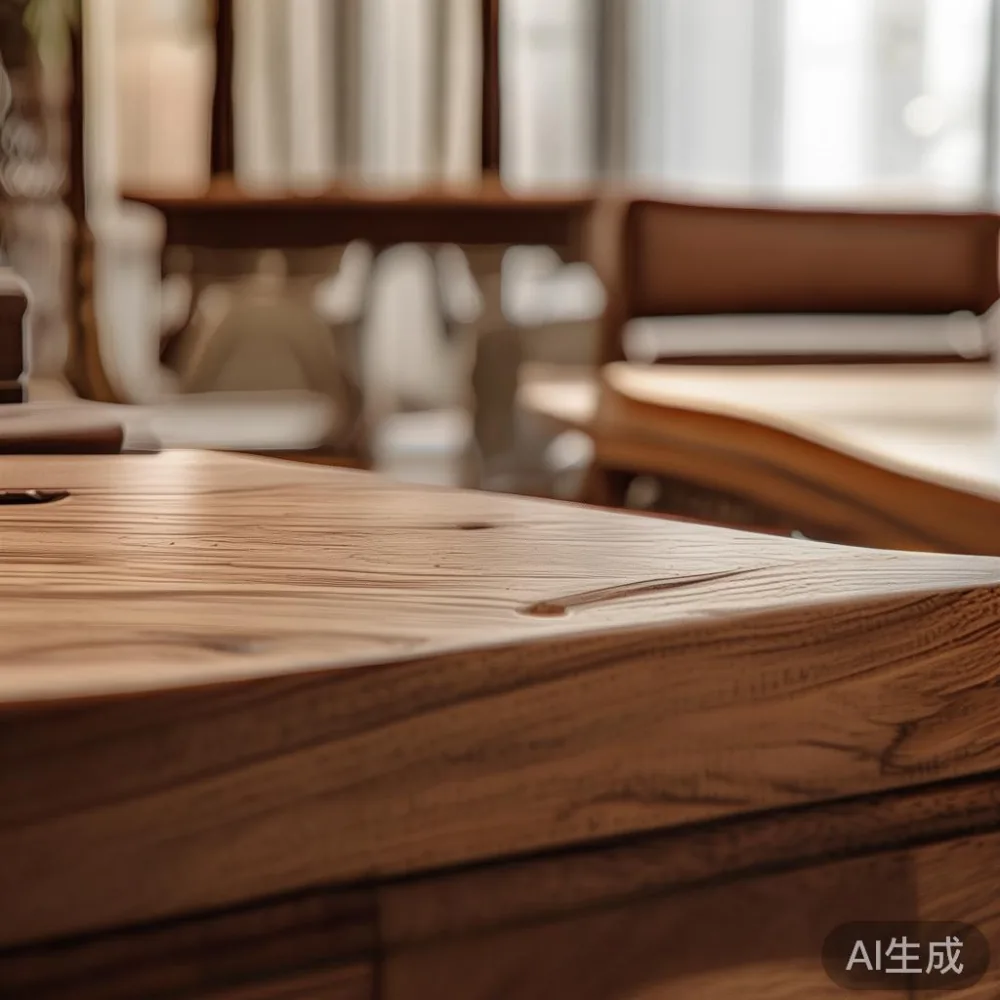
Singapore’s HDB flats and private condos provide a useful example. A Tampines unit with east-facing windows may experience stronger morning humidity, while a Bedok apartment near the coast can encounter salt-laden moisture. Punggol homes often have good cross-ventilation, yet air-conditioning can create a different problem by alternating between humid exterior air and very dry interior air. The aim is not to eliminate Singapore’s humidity, but to keep wood stable within a sensible moisture range.
Why does humidity make solid wood furniture move?
Wood is hygroscopic: it absorbs moisture when the surrounding air is humid and releases it when the air becomes dry. A dining table with a 180 cm top and a 90 cm width may expand by several millimetres across its width as moisture levels rise. That movement is normal, but excessive and repeated swelling can loosen drawer runners, distort doors, and stress jointing compounds. A solid wood sofa can also develop small gaps around its frame, while a bed frame may squeak if its rails and slats change dimension at different rates.
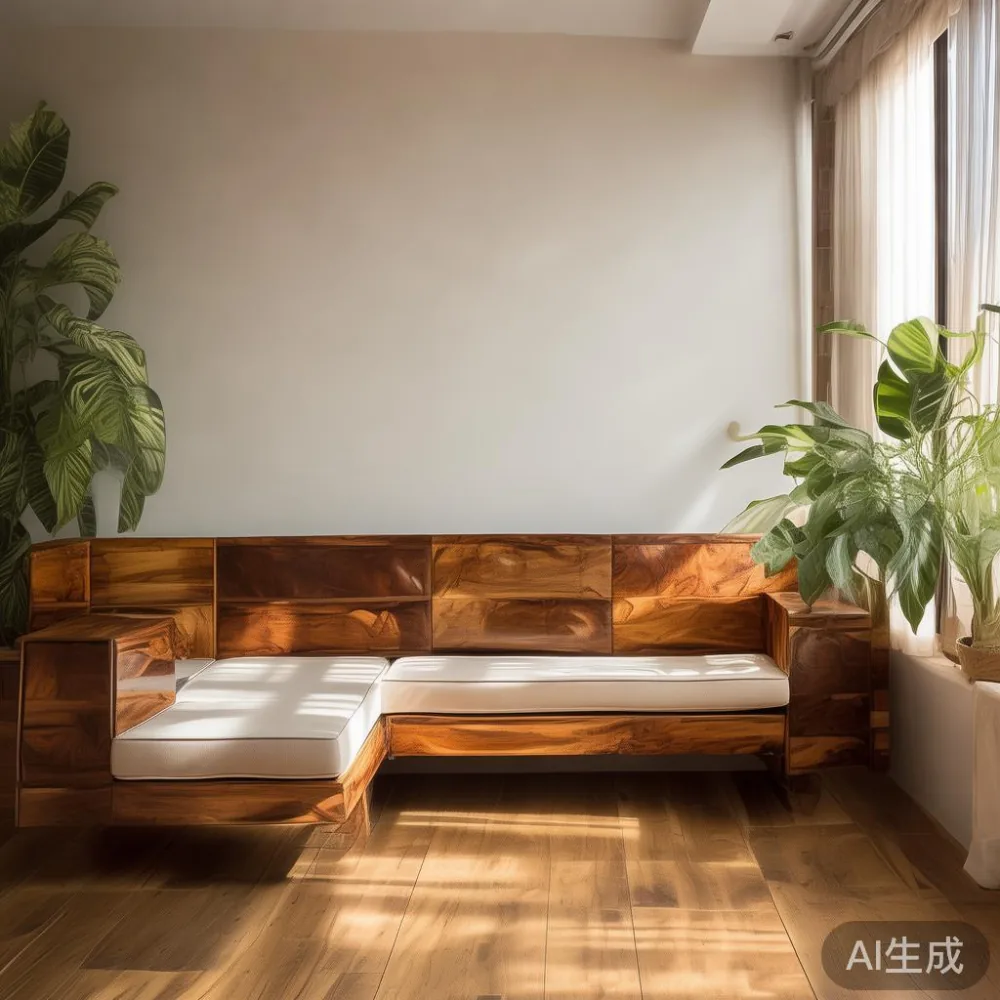
The severity depends on wood species, thickness, finish, and construction. Solid hardwood generally moves less than engineered wood, although a wide tabletop can still respond visibly. Veneered panels are not immune: the veneer may remain stable while its solid core moves, causing surface cracking or edge lifting. Plywood and fibreboard can swell at cut edges when moisture reaches them, which matters for wardrobes and nightstands placed against walls.
Temperature matters too. The ideal indoor environment for most wooden furniture is approximately 40% to 60% relative humidity, with temperature around 20°C to 27°C. Singapore homes commonly sit near 24°C to 30°C under air-conditioning. A sudden change from a 29°C corridor into a 22°C flat can produce condensation on a cold surface, much as a chilled drink glass sweats in warm weather.
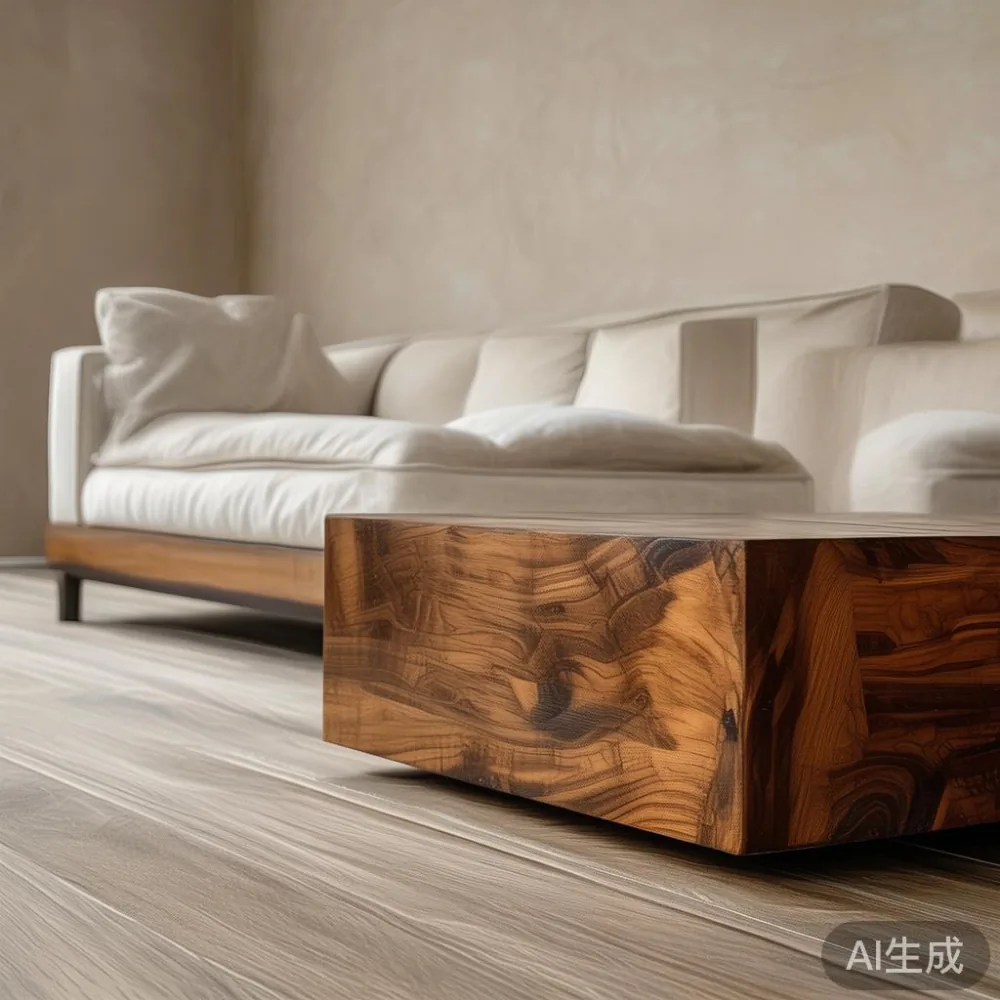
During a supplier visit last month, I tested a dining table with a digital pin moisture meter. After moving from a humid loading area at 82% relative humidity into an air-conditioned room at 52%, the table’s readings shifted from 11.8% to 9.6% over four hours. The change was small in appearance but enough to show why a solid wood dining table should acclimatise before assembly or heavy use.
What humidity levels should Singapore homeowners use as a guide?
A practical target is 40% to 60% relative humidity, with short fluctuations kept within about 10% to 15%. A digital hygrometer costing around SGD 25 to SGD 60 is sufficient for monitoring a bedroom or living room. Place it near the floor or about 30 cm above it, away from direct sunlight and air-conditioning vents. Do not position it directly against an exterior wall, because the reading may be much higher than the rest of the room.
For residents in HDB blocks, lift and corridor dimensions also deserve attention. A compact lift measuring roughly 110 cm by 140 cm may accept a flat-packed bed frame more easily than a fully assembled wardrobe. Corridor widths of 90 cm to 120 cm can make it impractical to turn a 180 cm wardrobe through a right-angled landing. However, moisture-related movement should be addressed before delivery, not compensated for by forcing furniture through a narrow passage.
Air circulation matters more than constant panic. Keep solid wood at least 5 cm to 10 cm from exterior walls and about 15 cm from the floor where possible. Avoid placing a nightstand directly beneath a window that receives frequent rain. A dining table should have enough room for air to move around its legs, while a wardrobe needs a little clearance at its sides and back so that its doors can open and its panels can dry after condensation.
MIDHILL has operated since 2008 and exports to more than 15 countries. Its 10-year structural warranty reflects attention to joinery and long-term construction, while the lifetime refinishing service supports furniture owners who want to renew their finish as the home changes. Climate control remains a shared responsibility: warranty terms should not be read as permission to ignore condensation, leaks, or persistent dampness.
Which furniture styles and pieces are most affected?
Style does not make wood immune to moisture, but it changes where owners notice movement. A Modern light luxury bed with a broad upholstered headboard may conceal minor frame changes better than an open oak bed with visible rails. A Japanese bed vs Japandi bed comparison often centres on low profiles and clean lines, yet both depend on stable timber and carefully fitted joints. A low platform near the floor may encounter more humidity in an older HDB flat, so ventilation beneath the frame is worth checking.
The phrase best French provincial furniture can be misleading because “best” is a personal judgement, but moisture performance can be compared objectively. Look for solid construction, restrained finishes, and sensible clearances rather than relying on a style label. Modern French provincial furniture combines carved details with cleaner lines; deeper carving can collect dust and make a damp surface harder to inspect. A solid wood sofa with close-fitting timber joints should be checked around the lower rail and rear panel, especially in a home without dehumidification.
Material comparisons also need a local lens. When assessing European light luxury sofa vs Modern sofa options, ask about the internal frame, seat platform, and underside finish. A European light luxury sofa may use decorative timber elements, while a Modern sofa may favour simpler geometry, but neither should conceal an unfinished board exposed to moisture. For the American sofa vs Mid-century modern sofa comparison, tapered legs and slender frames deserve attention because small changes at the joints can affect stability. Buy such a design from a maker who documents construction rather than judging only by its silhouette.
A marble table raises a different moisture issue. Marble is not wood and does not expand in the same way, but condensation can affect the base, adhesive, and metal fittings. Use a stable support rather than a temporary cloth-covered surface in a humid room. A marble table also needs protection from acidic liquids; a ring left for 6 hours can mark the surface, while water and heat can stress a vulnerable joint.
How can owners protect a solid wood dining table and wardrobe?
Begin with the room rather than the furniture. In a Tampines flat, run the air conditioner or dehumidifier when doors and windows are closed during humid periods. Set a dehumidifier to maintain approximately 50% to 60% relative humidity. Check drainage regularly, and avoid using a domestic dehumidifier in a bathroom or balcony where it is not designed to operate.
For a dining table, wipe spills promptly with a soft, slightly damp cloth and then dry the surface. Do not leave a wet glass or bowl ring overnight. Use felt pads under coasters and decorative objects. If the table has an oil or wax finish, ask the supplier for the approved maintenance product and apply it according to the instructions. Silicone spray can create a temporary barrier, but it is not a substitute for controlling moisture.
For a wardrobe, inspect the edges around the plinth and confirm that wall contact is limited. In a compact condo bedroom, a 60 cm wardrobe may need side clearance of 3 cm to 5 cm and rear clearance of about 3 cm, subject to the manufacturer’s installation guide. Lift the movable shelves occasionally so air can circulate behind them. If the wardrobe is near an ensuite bathroom, keep the door closed and use ventilation after showers.
For a nightstand, keep paper, damp clothing, and humid electronics away from the top and rear. Drawer runners should be checked twice a year. A slight change in resistance is not automatically a defect, but persistent stiffness may indicate swelling. Avoid “adjusting” a swollen drawer with concentrated chemicals; allow the moisture source to be corrected and consult the supplier if movement continues.
What should buyers ask before ordering majlis furniture?
Buyers should ask how the timber was dried, how the finish was sealed, and what dimensions the product may reach at different relative humidity levels. At MIDHILL, the product details can be reviewed before purchase, and a well-informed owner can select pieces suited to the actual room. For a majlis furniture order, provide the lift dimensions, corridor turns, doorway width, and delivery date requirements. A sofa with a 220 cm length may need a corner maneuver, while a 180 cm dining table may fit lengthwise but still require clearance around the legs.
Delivery is an important local variable. Standard Singapore delivery commonly takes 3 to 7 business days after production or stock confirmation, while made-to-order pieces may require 6 to 10 weeks. Always ask for a firm lead time rather than assuming furniture arrives immediately. MIDHILL provides free shipping for orders over US$350, although the final Singapore price should be confirmed in SGD with GST treatment explained at checkout.
The 14-day returns policy gives buyers time to inspect the piece at home, but furniture should not be returned simply because solid wood responds normally to seasonal humidity. Record the condition on arrival, retain the packaging, and measure the room’s humidity if movement appears. Photograph the affected joint and contact the supplier within the return period. This makes discussions about seasoning, finish, and assembly more precise.
Majlis furniture often occupies an active social area, so it should remain clear of wet umbrellas, mops, and open drinkware. Use a tray near the solid wood sofa, keep textiles dry, and allow at least 30 cm of space above a marble table where possible. These habits reduce cleaning frequency and protect the finish from repeated wetting.
How do lifts, corridors, GST, and installation affect furniture orders?
Measure before choosing oversized pieces. Record the lift car’s internal length, width, and door opening, plus the narrowest corridor and any right-angled corners. A lift door of 80 cm to 90 cm may restrict a wardrobe more than the lift itself. Confirm whether the item arrives flat-packed or assembled. A bed frame can be delivered in 2 or 3 cartons, while a solid wood dining table may need a scheduled two-person delivery within a 1-hour window.
For condo deliveries, check the loading bay booking, parking restrictions, and resident access rules. Leave at least 2 working days’ notice when building management requires it. The delivery team should check the route before carrying and should not dismantle a piece in a corridor without approval. This avoids damage to walls, lift doors, and furniture edges.
Prices should be checked in SGD, with GST displayed clearly for Singapore purchases. A dining table quoted at SGD 2,480, for example, should have its taxable amount and GST treatment explained rather than leaving buyers to calculate the final invoice. This administrative clarity is separate from quality, but it helps households budget properly for a major purchase.
Installation should follow the product instructions. A solid wood bed frame often needs 10 to 20 minutes for two people, whereas a wardrobe can take 60 to 120 minutes depending on its size and wall fixing points. Avoid placing a bed directly against an exterior wall, and do not tighten every fixing aggressively against a wall that is slightly out of square. The frame needs room for normal dimensional movement.
When is humidity damage a defect rather than normal movement?
Normal seasonal movement may create a gap of 1 mm to 3 mm in a well-made joint. Persistent cracking, mould, a soft surface, or a joint that remains loose after humidity returns to a stable range warrants investigation. A drawer that binds repeatedly for more than 2 weeks, a warped tabletop with an unexplained cup, or a wardrobe door that no longer closes may signal an original construction issue, moisture exposure, or a change that needs professional assessment.
Check the finish for raised blisters, especially after a leak or persistent condensation. Do not sand or repaint a piece before documenting the problem. Photograph the area, measure the humidity, and identify any water source. MIDHILL’s 10-year structural warranty and lifetime refinishing service provide avenues for assessing structural concerns and restoring the finish, but owners should still use coasters, maintain ventilation, and keep furniture away from persistent dampness.
For lighter maintenance, dust with a dry microfibre cloth and clean wooden surfaces every 1 to 2 weeks. Avoid steam cleaning, soaking cloths, and household ammonia. If a finish has been repaired with an incompatible product, refinishing may be the more responsible route.
What is the best way to maintain majlis furniture in Singapore?
Stable humidity, sensible placement, and prompt spill control offer the strongest protection. Keep readings between 40% and 60%, maintain airflow around solid wood pieces, and inspect edges and joints twice a year. For homeowners comparing an American sofa vs Mid-century modern sofa, remember that slender timber legs and finished undersides deserve the same care as the visible seat. For a Modern light luxury bed, check the space beneath the frame and avoid damp bedding stored underneath for long periods.
A well-maintained dining table, wardrobe, nightstand, solid wood sofa, bed frame, or marble table can age gracefully in Singapore’s climate. The goal is not a perfectly dry room every hour of the day. It is a stable indoor environment that limits repeated expansion, contraction, condensation, and trapped moisture. With the right measurements, delivery planning, and care routine, majlis furniture can remain comfortable, durable, and visually refined for many years.