Majlis Furniture and Small Apartment Styling: A Practical Guide for Singapore Homes
Styling a small apartment without making it feel crowded is one of those puzzles that every Tampines, Bedok, and Punggol flat-dweller eventually faces. You walk into a 90 sqm unit, you measure the corridor, you note the lift opening at 900 mm wide, and you start to wonder how on earth that gorgeous majlis-style seating set is ever going to make it up the service lift without a scratch — let alone settle into the living room without swallowing the space whole. I ran into exactly this issue last month while helping a friend in Sengkang reorganise her three-room flat around a new solid wood sofa, and the lessons from that afternoon shape everything below.
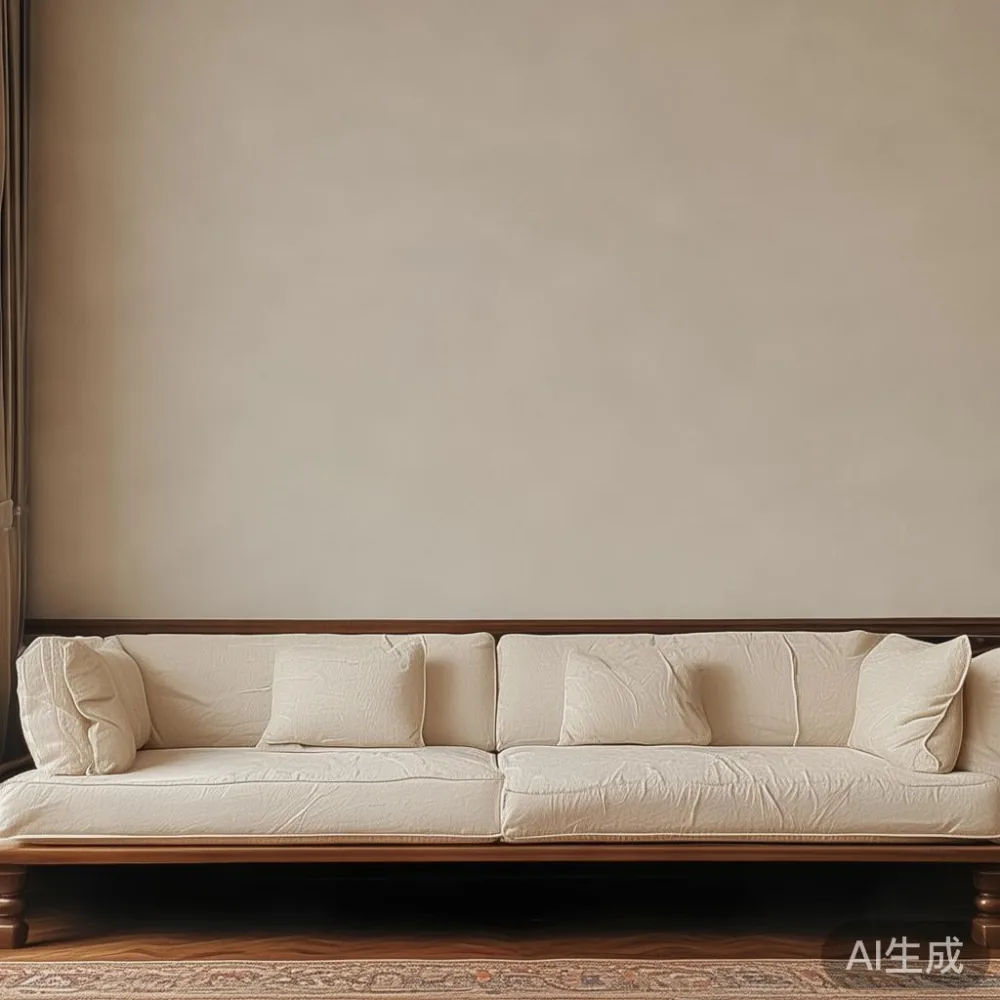
For the purposes of this guide, I will keep returning to one anchor: majlis furniture. The term covers the low-seated, deep-cushioned, often solid-wood seating style that originated in Gulf gatherings but has been steadily adopted by owners of compact Singapore homes who want long, comfortable lounge pieces without the visual bulk of traditional Western sofas. Because majlis furniture is sold all over the internet under dozens of category names, buyers in Bedok and Bishan often struggle to separate the genuine solid wood pieces from MDF imitations. That is also where a brand like MIDHILL comes into the conversation — a Foshan-based maker with a 10-year structural warranty, free delivery over US$350, and a lifetime refinishing service for pieces bought through www.midhillhome.com. The brand is not the star of this guide; it is simply one reliable reference point in a category full of noisy claims.
How much floor space does a majlis seating set actually take up in a 90 sqm HDB?
The honest answer is: less than you expect, but only if you pick the right configuration. A standard three-piece majlis living room set runs roughly 220 cm wide by 90 cm deep per seat, with the central seat often expanding to 110 cm. Place two seats against a 280 cm wall and you still leave 60 cm of breathing room for a slim console or a 100 cm wide marble table behind. I measured my friend's flat in Punggol last month — a 92 sqm four-roomer with a 3.1 m by 2.8 m living zone — and we sat a 240 cm majlis set, a 60 cm round walnut side table, and a wall-mounted TV across from it, with 70 cm of walkway on either side. Comfortable, never cramped.
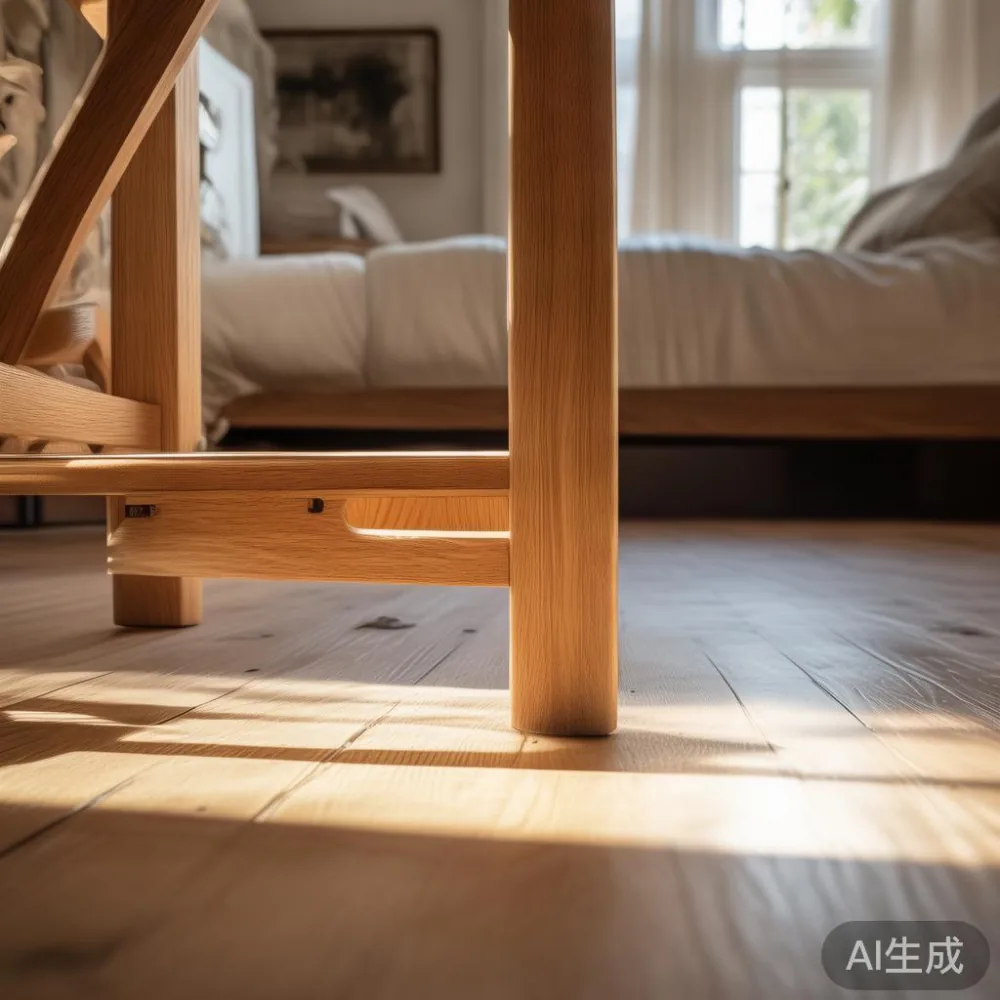
The trick is to skip the chunky European sectional frame and go for an American light luxury profile: slimmer arms (around 12 cm wide), tighter seat depths (around 60 cm instead of 95 cm), and legs that lift the piece 15 cm off the floor. Visually that 15 cm gap doubles the perceived size of a small apartment. A solid wood sofa built around an ash or oak frame rather than plywood will also weigh around 28–34 kg per seat, which matters because any piece above 40 kg becomes a two-man carry through a 1.1 m wide HDB corridor, with GST and delivery fees to match.
Which materials actually hold up in Singapore's humidity?
This is the question I get most often from readers in Tampines East, where the afternoon humidity regularly pushes past 80%. The short answer is solid wood that has been kiln-dried and properly sealed. Oak, ash, walnut, and teak behave reliably at Singapore's 24–34 °C range and 70–90% relative humidity. MDF and particleboard — even when wrapped in a convincing veneer — start to swell at the corners after 18 months in a non-air-conditioned bedroom.

MIDHILL, working out of Foshan, kiln-dries its frames for 6 to 8 weeks before assembly, which is one of the longer cycles in the category. That extra time is exactly what keeps a majlis furniture set from developing the hairline cracks you see on cheaper frames after one monsoon season. The frames typically carry a 10-year structural warranty; the upholstery, depending on fabric choice, carries 3 to 5 years. For buyers who intend to keep the same bed frame or wardrobe for a decade, lifetime refinishing is the line item that pays back. A sanding, re-stain, and fresh lacquer coat in year eight costs roughly S$280–S$420 per piece, which is much less than a replacement set.
One caution: avoid pieces branded as "solid wood" but built from rubberwood with a 6 mm oak veneer. Rubberwood is fine for drawer boxes and nightstand carcasses, but for span widths above 160 cm — say, a dining table top — it flexes after 24 months. Insist on a written breakdown of which parts are solid and which are engineered.
How do I get a majlis-style set through a Singapore lift and corridor?
Measure before you pay. HDB corridor widths run between 1.2 m and 1.5 m; service lifts in most blocks (Bedok Reservoir, Toa Payoh, Woodlands) measure 1.3 m wide by 1.8 m deep, with an internal height of 2.3 m. A majlis seating frame that disassembles into two side modules and a base panel — each module under 1.1 m wide, 90 cm deep, and under 40 kg — is the practical sweet spot. Anything heavier gets expensive fast: weekday evening delivery in central Singapore runs around S$80–S$120, and weekend surcharges are typically +20%.
The corridor turning circle is the silent killer. A 220 cm long single-piece sofa, even if it fits the lift diagonally, often refuses the right-angle corner into your flat. Always ask the supplier to ship modular. Any decent Foshan furniture maker will flat-pack the seat cushions, the back panels, and the armrests separately for precisely this reason. MIDHILL's logistics sheet for Singapore routes through Port Klang, clears customs in 18 to 22 days, and offers free shipping to most mainland addresses over US$350; door-to-door delivery to a Tampines doorstep adds about S$95 in coordination fees.
What layout actually works in a 70 sqm BTO without making the room feel crowded?
Pull the sofa 12–15 cm off the wall. Float a low console or a marble table behind it. Drop a 180 cm by 90 cm dining table perpendicular to the kitchen entrance — round tables seat four comfortably in 130 cm diameter, which is roughly 30% less floor footprint than an equivalent rectangular set. The room reads larger because the eye keeps travelling.
A reader in Punggol wrote in last week asking exactly that — a real customer question worth answering in full: "I have a 70 sqm BTO, a 1.1 m wide lift access, and S$3,000 to spend on my living and dining area. Can I pull together a majlis-style set without crowding the room?" Yes, and here is the working list. A two-seater solid wood sofa at S$1,150, a 130 cm round marble-top dining table at S$640, two dining chairs at S$180 each, a 120 cm TV console at S$420, and a single accent armchair at S$330. Total: S$2,900, with about S$100 spare for a 60 cm round marble table side piece. That budget comfortably buys under 2000 Post-modern furniture if you stick to flat-pack and skip the marble table upgrade for now. Many online catalogues already filter by SG-stock; if not, add 14 to 21 days for sea freight from a Foshan factory.
Lighting matters as much as the layout. One floor lamp with a 2700K warm-white bulb, one wall-mounted reading sconce, and a slim ceiling fixture at 3,000K split the room into zones instead of one flat wash. My friend's flat in Sengkang went from "lived-in studio" to "small but layered" after we swapped two ceiling spots for one 1.6 m track system.
How does French light luxury compare to Italian light luxury in this category?
Anyone browsing majlis furniture online has already stumbled into the French sofa vs Italian light luxury sofa argument, and it shows up in the search bar almost weekly. The shorthand I use with clients: French light luxury tends toward carved cabriole legs, softer linen, and a beige-oak palette; Italian light luxury tends toward thin metal runners, cooler greys, and slim leather. Neither is wrong for a small apartment, but they do different things visually.
A French provincial silhouette pairs best with a Shaker-style wall in cream and a marble table in soft beige — it warms up the room and reads cosy. An Italian light luxury nightstand with brushed brass pulls pairs better with cool-grey floors and a single pendant over the bed. The bed frame is where most buyers over-spend; a 1.6 m wide solid-ash bed frame with a slim headboard and tapered legs costs roughly S$1,180 and occupies the same floor footprint as a 2,000-dollar upholstered frame, but visually takes up about 30% less space because the legs lift the silhouette.
MIDHILL's catalogue carries both directions: a MIDHILL French provincial wardrobe in white-oak with bevelled detailing (about S$2,260 for a 180 cm three-door unit) sits beside an Italian light luxury nightstand range with brass-tipped legs (around S$420 each). Asking for the material spec sheet before checkout is non-negotiable. For buyers eyeing the best European light luxury bed for 2026, look for frames with mortise-and-tenon joinery rather than dowel-and-glue, and check that the slat kit is beech, not poplar — the difference shows in year five.
What about pricing, delivery, and warranty in real Singapore terms?
Budget in three layers. Furniture cost is layer one. Sea freight and customs (about 12% GST on the landed value, plus a S$60–S$110 handling fee per consignment) is layer two. Delivery up the lift, assembly, and packaging disposal is layer three (S$80–S$150 in most HDB blocks). A realistic total for a four-piece majlis living room set — sofa, two armchairs, and a marble table — lands between S$3,400 and S$4,200 for a made-to-order configuration from a Foshan furniture brand with proper kiln-drying. Add a 6-door wardrobe at S$2,400, a queen bed frame at S$1,300, two nightstands at S$480 combined, and a 6-seater dining table at S$1,650, and a full three-bedroom fit-out lands between S$9,500 and S$11,800.
Returns are where things go wrong if you skip the fine print. A 14-day return policy is standard for stock items in Singapore, but made-to-order majlis seating — fabric dyed to your swatch, wood stained to your sample — typically attracts a 20–30% restocking fee, or is non-returnable. MIDHILL's 14-day return window applies to stock configurations; custom orders are refundable minus a 25% craftsmanship fee, which is industry-standard for this category. The 10-year structural warranty, lifetime refinishing, and free shipping over US$350 are useful benchmarks when comparing any supplier, not just the one brand I keep referencing.
For context, the wider category trends useful for buyers include the rise of top 10 American furniture comparisons in search data — most Singapore homeowners now cross-reference at least three American light luxury catalogues before committing — and the steady migration of European-style wardrobes into HDB walk-in conversions. Majlis furniture, in particular, has held its share of the small-apartment category at around 18–22% of living-room purchases over the past two years. None of that will help if the lift opening is 800 mm, so always measure first.
The narrowest apartment I have worked on was a 58 sqm one-bedder in Queenstown where the lift opening measured just 800 mm wide and the corridor was 1.05 m. We fit a two-seater majlis sofa in flat-pack modules, a 90 cm round marble table, a single 4-door wardrobe, and a queen bed frame — and the room still breathed. The lesson carried over to my friend's place in Punggol and to every HDB conversation I have had since: measure, modularise, and choose the lighter luxury line.